About this artwork
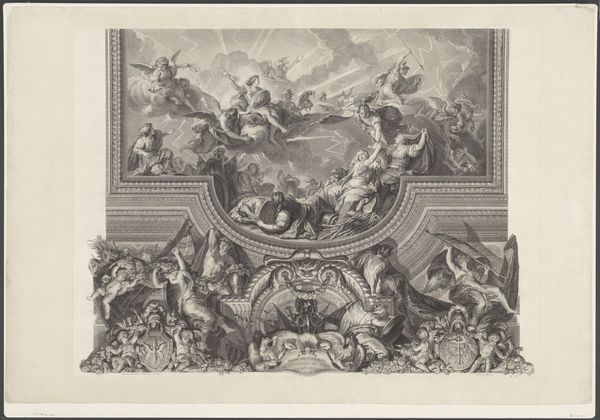
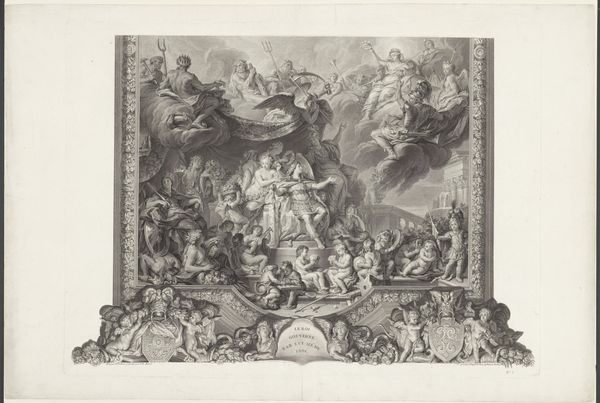
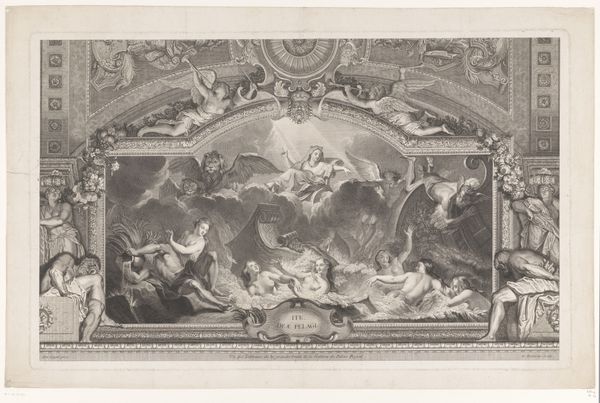
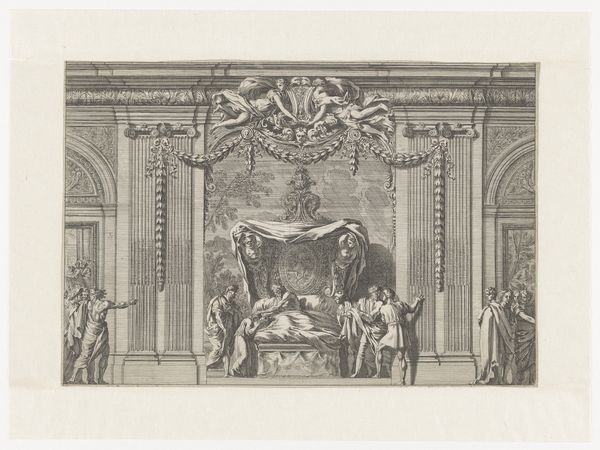
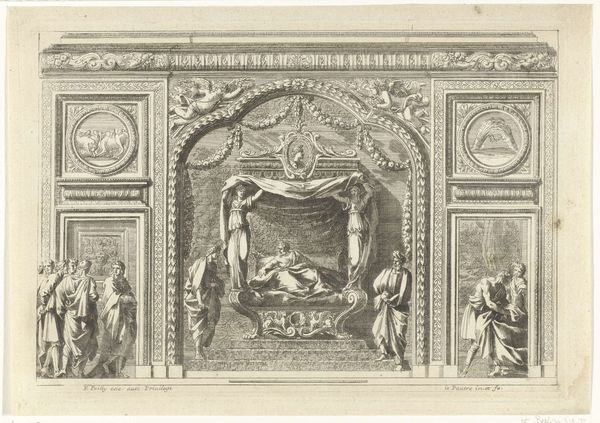
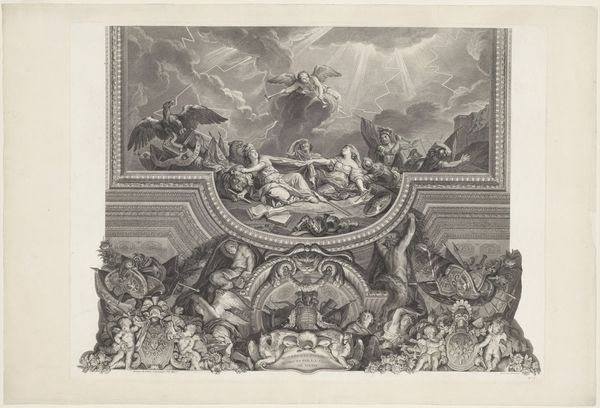
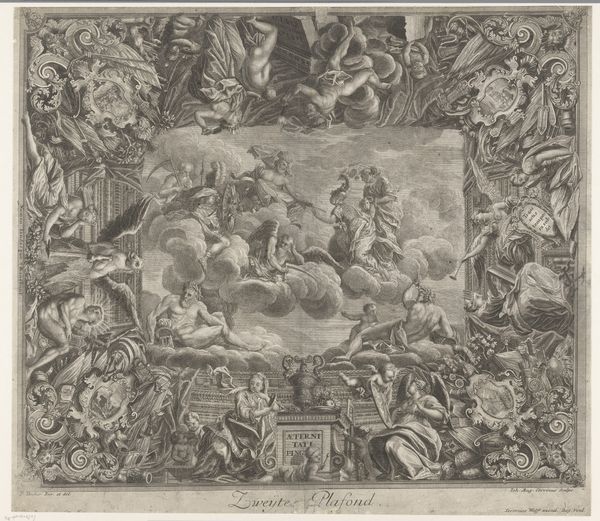
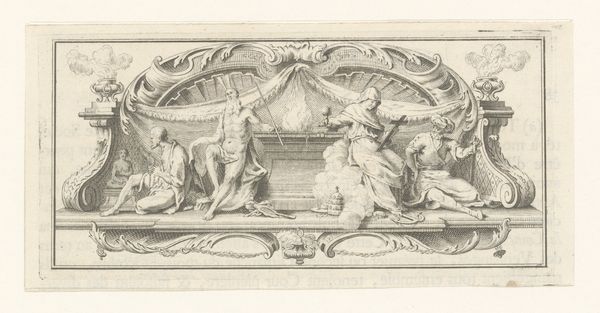
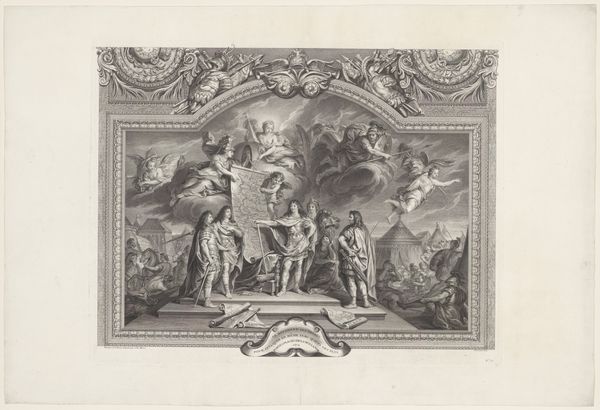
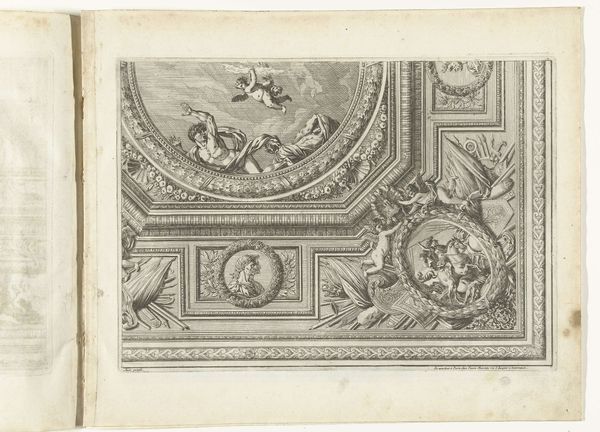
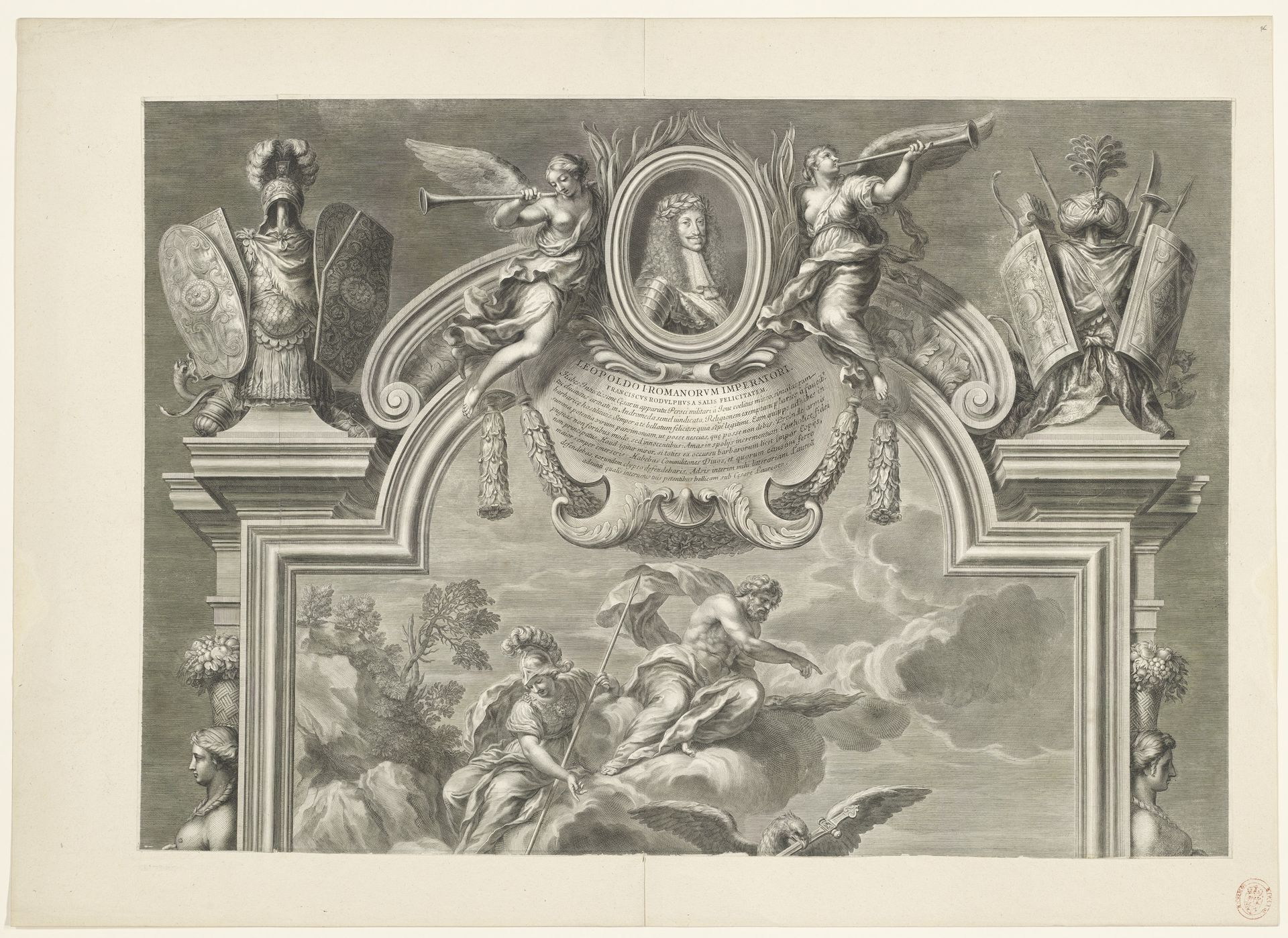
Jean Louis Roullet created this print, "Jupiter gives the cyclops instructions for forging Theseus' shield", using engraving techniques. The print’s fine lines and tonal variations are a direct result of the engraving process. The artist would have used a tool called a burin to cut lines into a metal plate, and then applied ink to the plate. The ink settles into the engraved lines, and when pressed onto paper, it creates a detailed image. The process requires immense skill and precision, reflecting the engraver's mastery over the material and tools. The printmaking traditions Roullet engaged with highlight the value of skilled labor, with each line, shadow, and detail a testament to the engraver's dedication. These techniques belong to histories of craft and fine arts, challenging traditional distinctions. The act of creation itself underscores the complex interplay between artistic expression, technical skill, and the socio-economic context of artistic production.
Jupiter geeft de cyclopen aanwijzingen voor het smeden van het schild van Theseus
1655 - 1699

Jean Louis Roullet
1645 - 1699Location
RijksmuseumArtwork details
- Medium
- engraving
- Dimensions
- height 521 mm, width 755 mm
- Location
- Rijksmuseum
- Copyright
- Rijks Museum: Open Domain
Tags
Comments
Share your thoughts
About this artwork
Jean Louis Roullet created this print, "Jupiter gives the cyclops instructions for forging Theseus' shield", using engraving techniques. The print’s fine lines and tonal variations are a direct result of the engraving process. The artist would have used a tool called a burin to cut lines into a metal plate, and then applied ink to the plate. The ink settles into the engraved lines, and when pressed onto paper, it creates a detailed image. The process requires immense skill and precision, reflecting the engraver's mastery over the material and tools. The printmaking traditions Roullet engaged with highlight the value of skilled labor, with each line, shadow, and detail a testament to the engraver's dedication. These techniques belong to histories of craft and fine arts, challenging traditional distinctions. The act of creation itself underscores the complex interplay between artistic expression, technical skill, and the socio-economic context of artistic production.
Comments
Share your thoughts