About this artwork
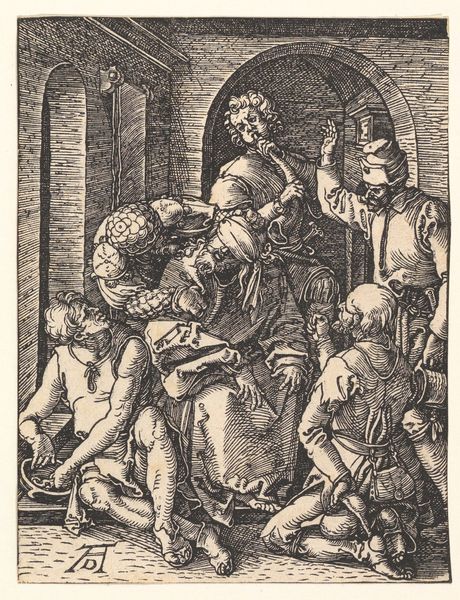
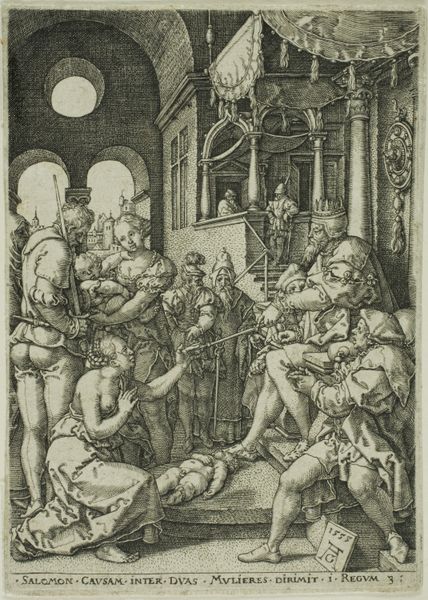
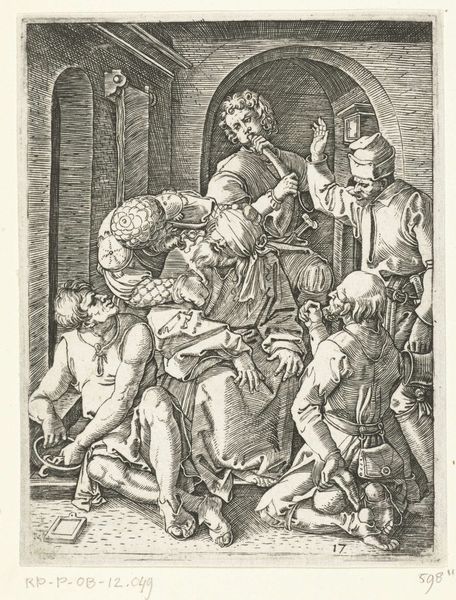
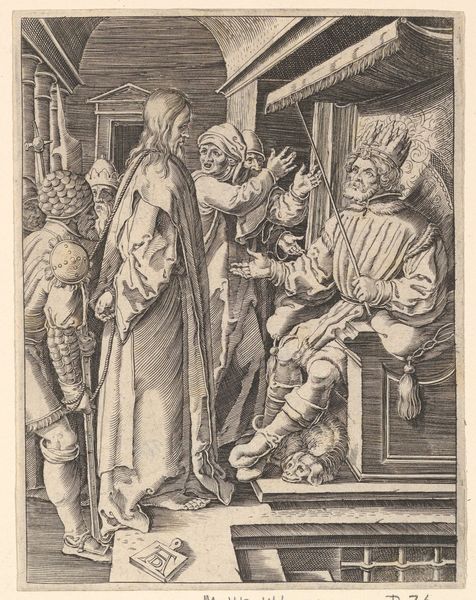
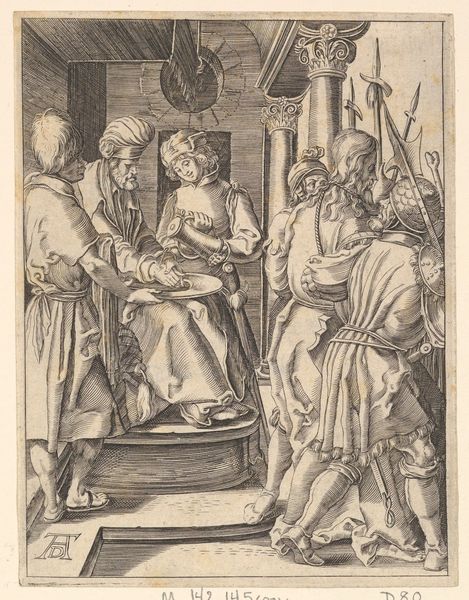
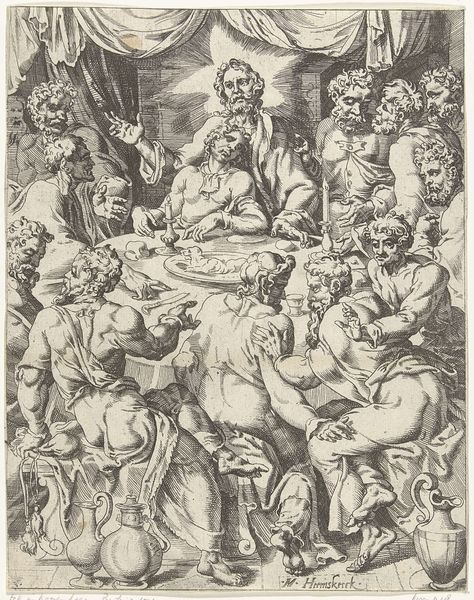
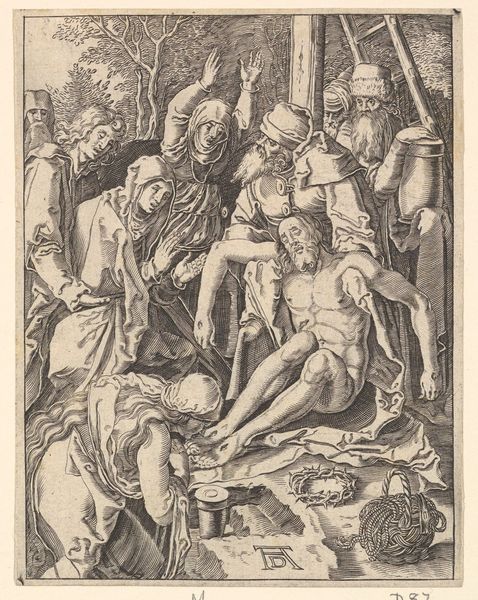
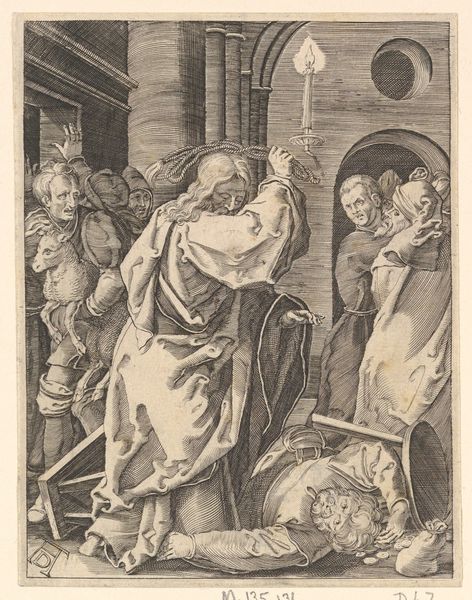
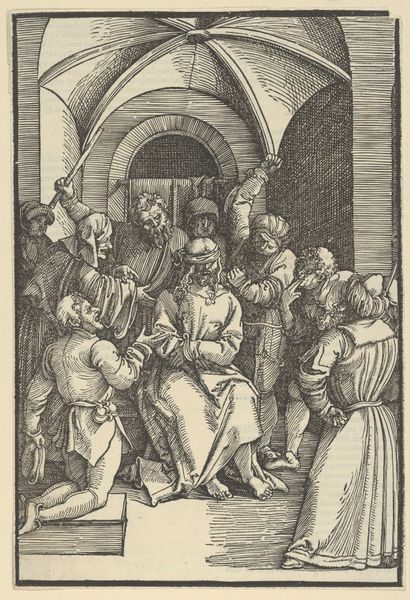
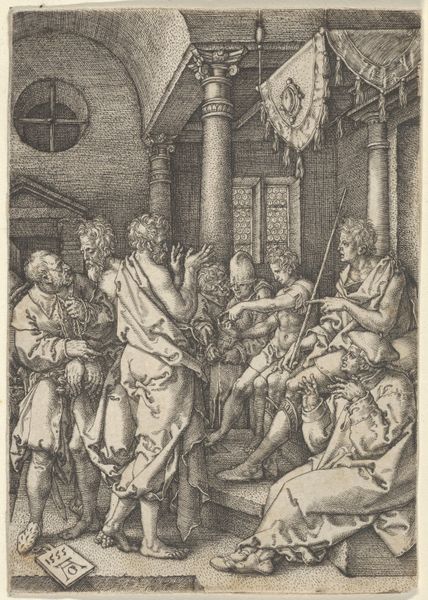
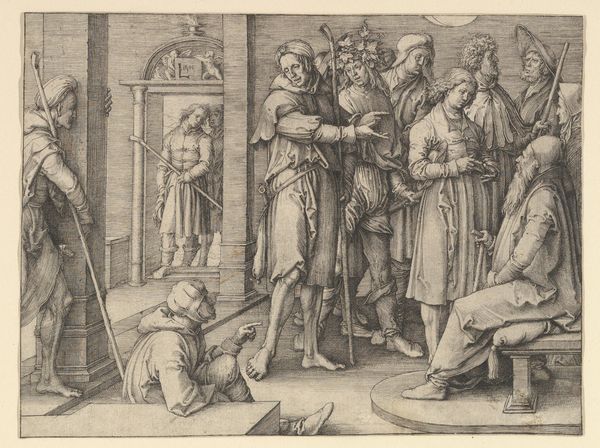
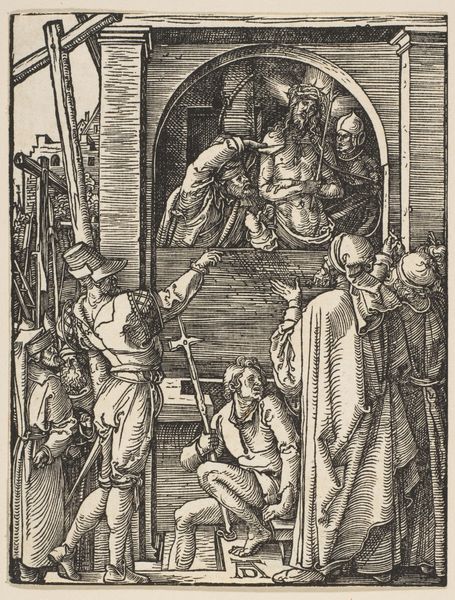
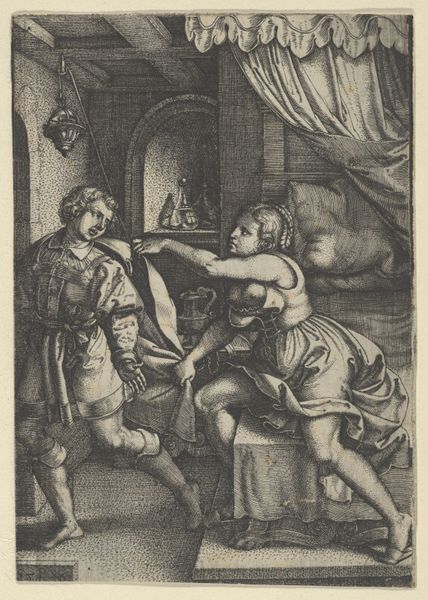
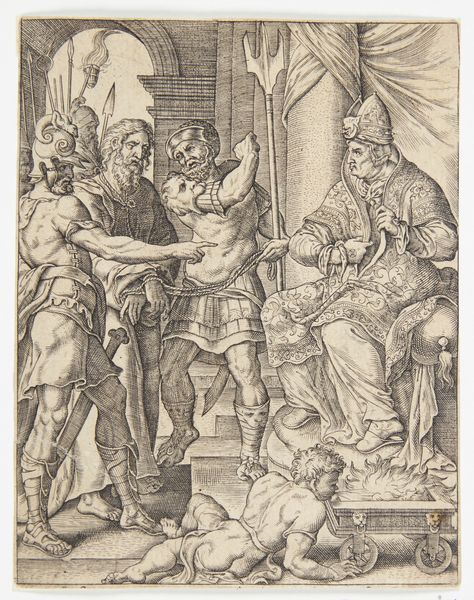
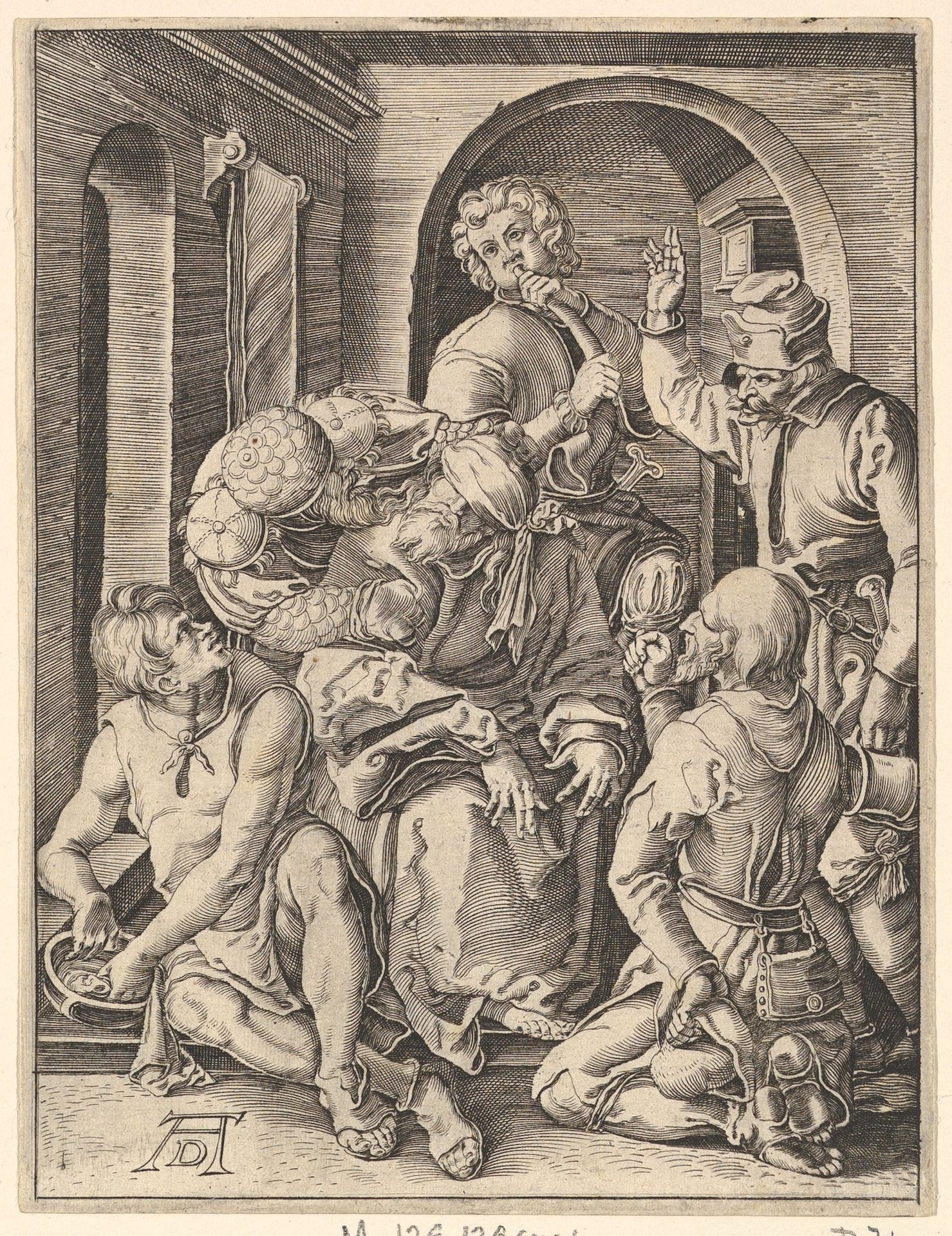
These are engraved copies of "The Little Passion" series, created by Albrecht Dürer during a time of immense religious and social upheaval in Europe. Dürer was deeply influenced by the Protestant Reformation, and this series reflects the era’s intense spiritual and emotional climate. Notice how Dürer uses the traditional subject of Christ's Passion to explore themes of human suffering, guilt, and redemption. The figures surrounding Christ each embody different responses to his plight, mirroring the spectrum of human reactions to moral and spiritual crises. Dürer once said, "If a man devotes himself to art, much evil is avoided that happens otherwise if one is idle." The work invites us to consider the ways in which religious narratives intersect with personal experiences and broader societal tensions. It serves as a mirror reflecting not only the historical context of its creation, but also the timeless human struggle with faith, morality, and compassion.
Engraved copies of The Little Passion
1485 - 1699


Artwork details
- Medium
- drawing, print, etching
- Dimensions
- For the whole series: plate circa : 5 x 3 13/16 in. (12.7 x 9.7 cm)
- Location
- Metropolitan Museum of Art, New York, NY
- Copyright
- Public Domain
Tags
Comments
Share your thoughts
About this artwork
These are engraved copies of "The Little Passion" series, created by Albrecht Dürer during a time of immense religious and social upheaval in Europe. Dürer was deeply influenced by the Protestant Reformation, and this series reflects the era’s intense spiritual and emotional climate. Notice how Dürer uses the traditional subject of Christ's Passion to explore themes of human suffering, guilt, and redemption. The figures surrounding Christ each embody different responses to his plight, mirroring the spectrum of human reactions to moral and spiritual crises. Dürer once said, "If a man devotes himself to art, much evil is avoided that happens otherwise if one is idle." The work invites us to consider the ways in which religious narratives intersect with personal experiences and broader societal tensions. It serves as a mirror reflecting not only the historical context of its creation, but also the timeless human struggle with faith, morality, and compassion.
Comments
Share your thoughts