
Curatorial notes
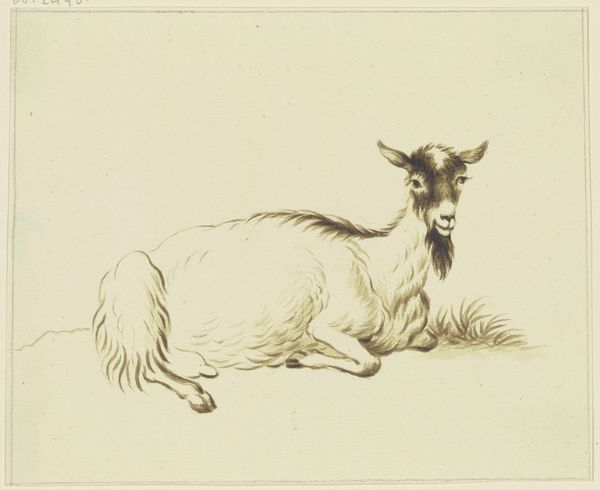
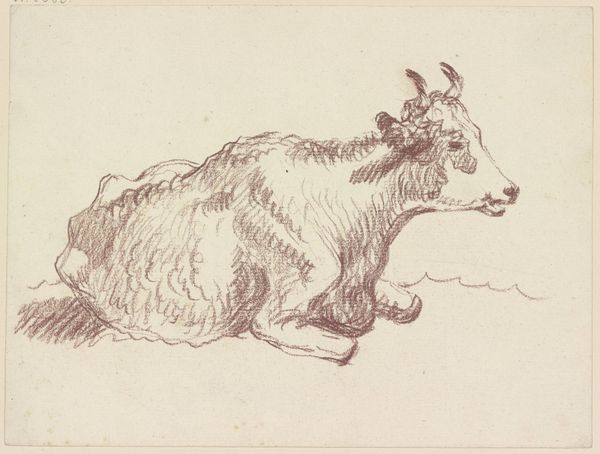
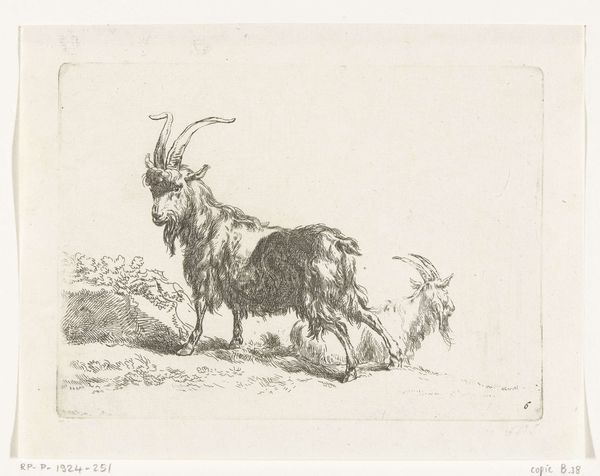
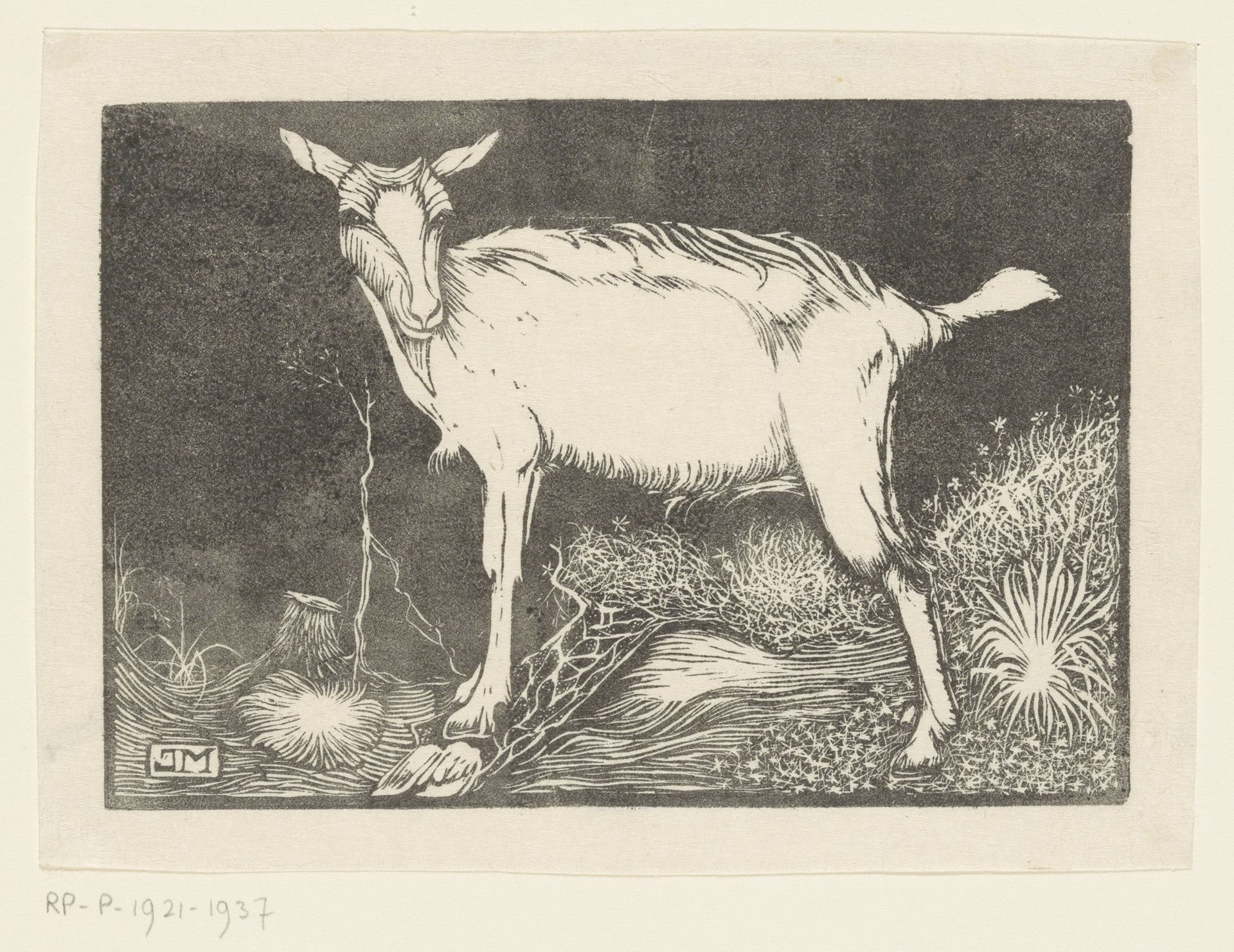
Jan Mankes created this image of a White Goat using etching. Immediately, the goat emerges, bathed in a light that recalls the sacred animal offerings of antiquity. Consider the goat, a recurring figure throughout history, from the sacrificial scapegoat of ancient rituals to its association with Pan and the untamed wilderness. In Christian symbolism, it contrasts sharply with the lamb, embodying the unredeemed and instinctual aspects of human nature. One might recall depictions of goats in medieval bestiaries, where they often symbolize lust and stubbornness. But here, Mankes’s goat possesses a serene quality. The choice to portray it in white amplifies this sense of purity, almost paradoxically suggesting innocence within a symbol traditionally laden with darker connotations. Does Mankes intend to reconcile these conflicting interpretations? Perhaps he is inviting us to reflect on the duality inherent in symbols, their capacity to hold multiple layers of meaning, evolving across time and culture, engaging with our collective memory and subconscious understanding.