About this artwork
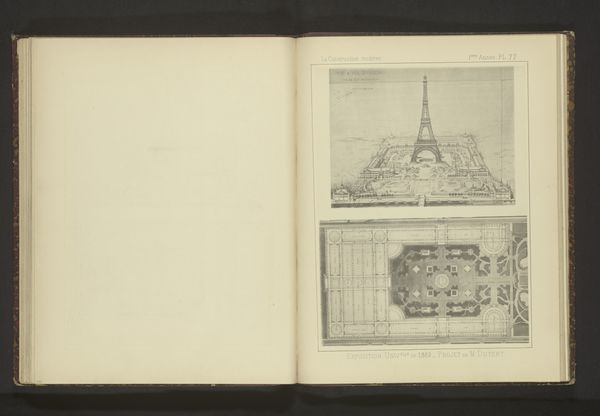
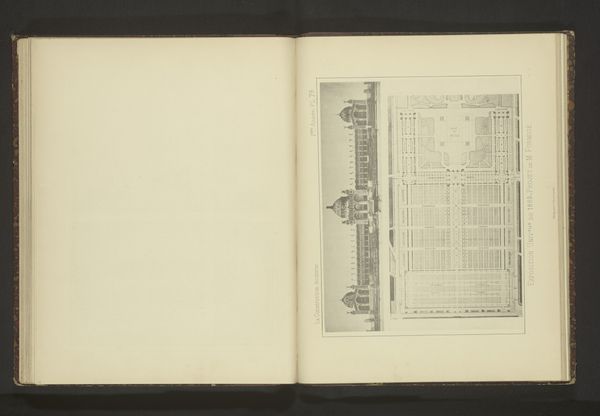
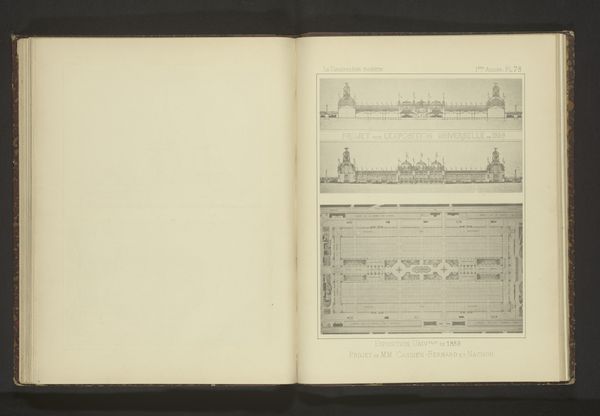
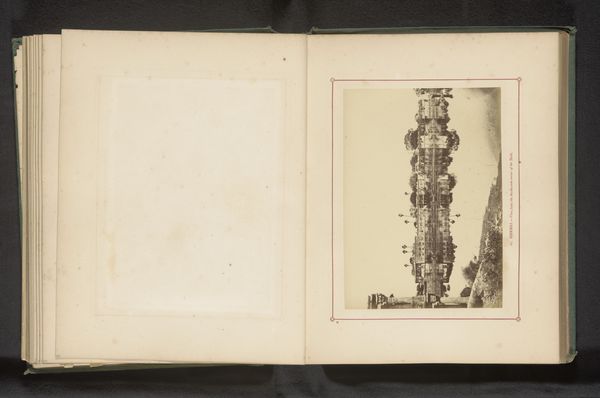
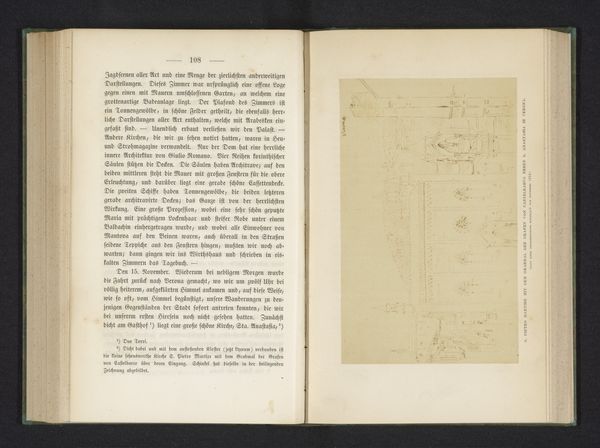
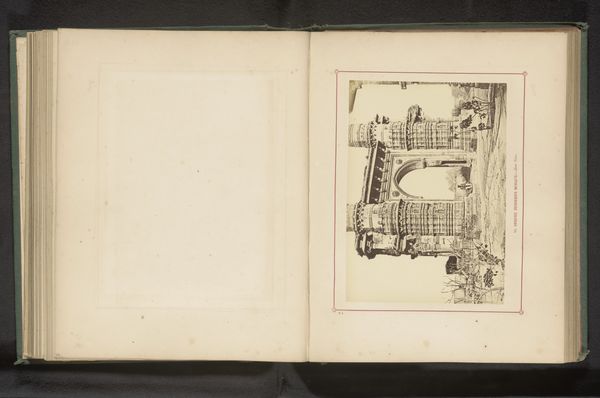
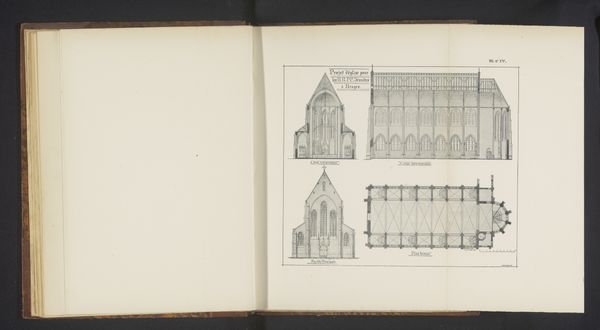
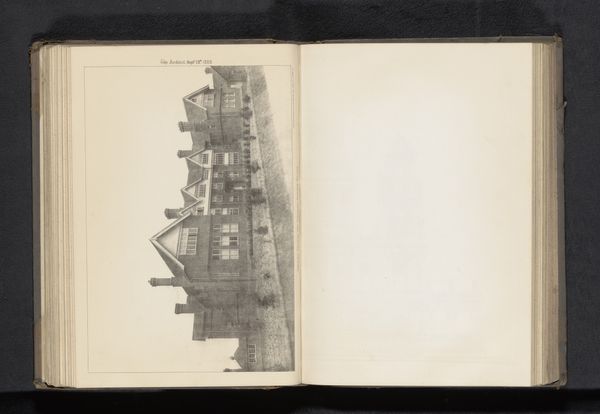
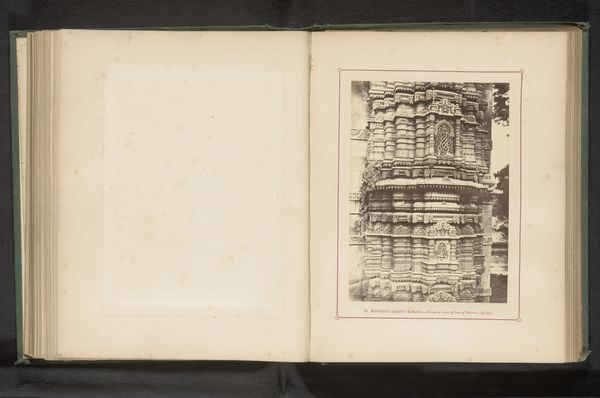
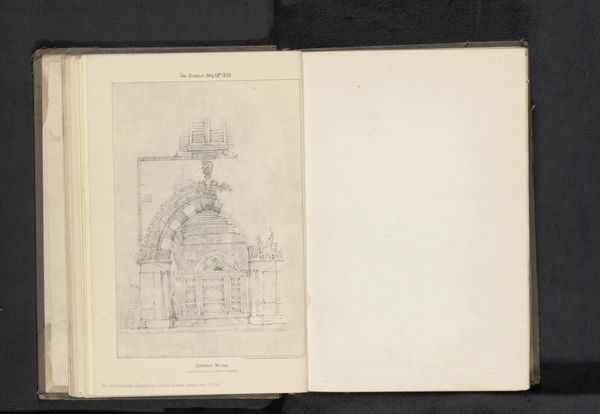
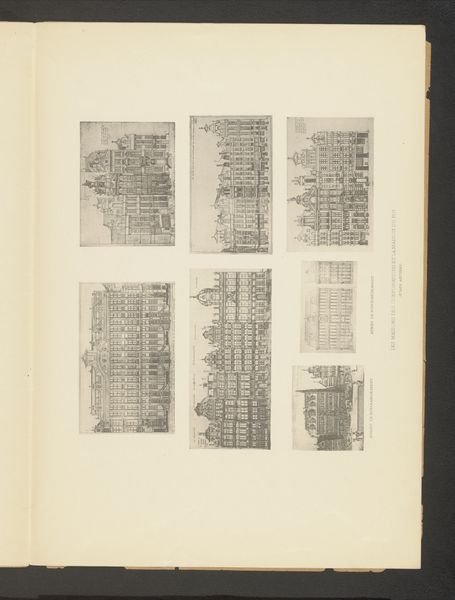
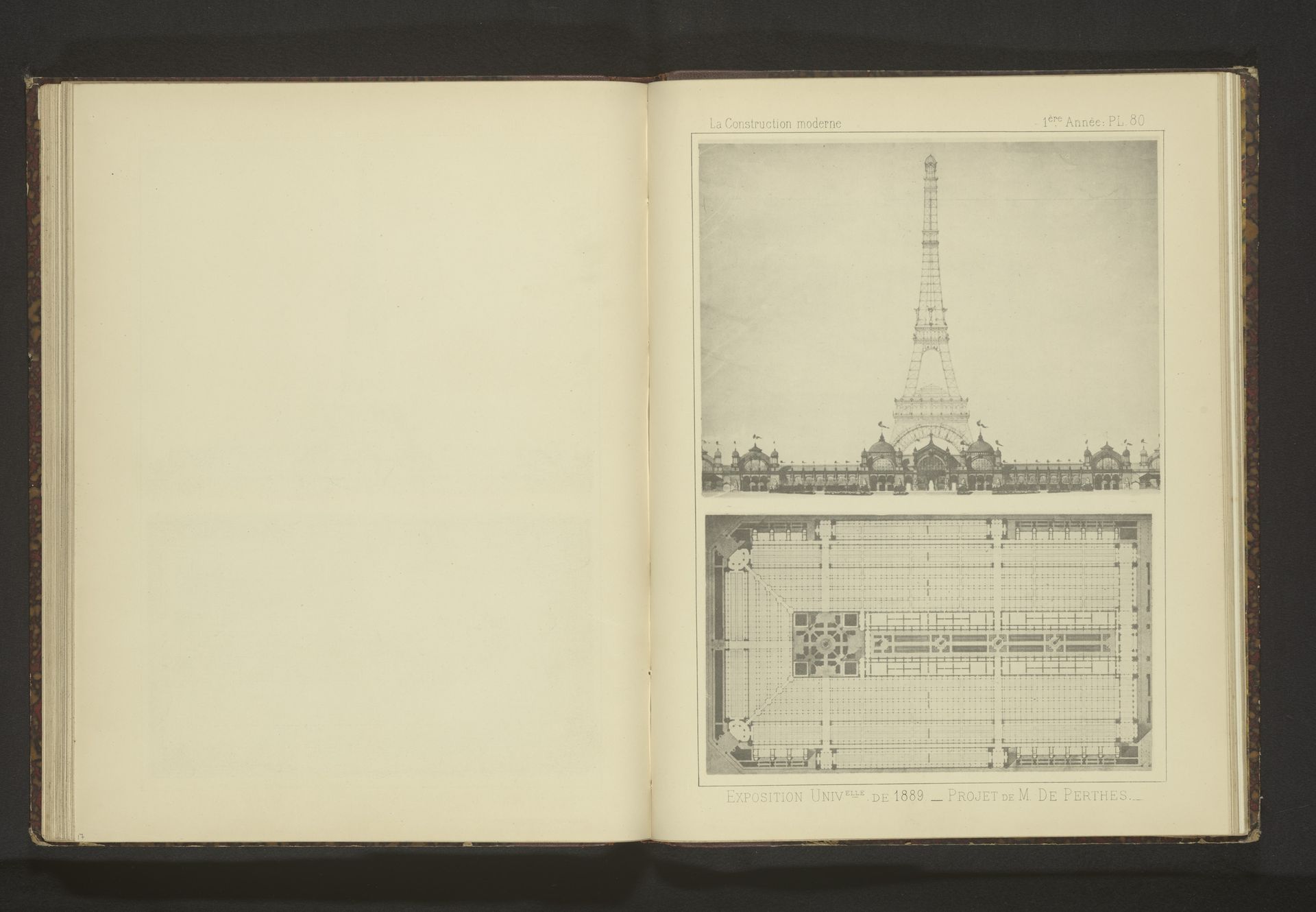
This is a reproduction of designs by M. De Perthes for the 1889 Paris World Fair. These images, produced without a known artist, reveal a great deal about the social and cultural aspirations of late 19th-century France. The designs depict not just architectural plans, but also the ambitions of a nation eager to showcase its industrial and cultural prowess. The Eiffel Tower, prominently featured, became a symbol of modernity and technological achievement, reflecting France's desire to be seen as a global leader. The fair itself was designed to promote international cooperation through the exhibition of manufactured goods, the images presenting France as a hub for trade and innovation. These designs subtly critique earlier institutions, such as old-fashioned academic artistic practices. The World Fair embodied a progressive spirit, embracing modernity and innovation. To understand the designs fully, we need to dig into archives, newspapers, and political pamphlets. Approaching art in this way emphasizes its role as a product of social and institutional forces.
Twee reproducties van ontwerpen voor de Wereldtentoonstelling van Parijs in 1889 door M. De Perthes
before 1886

Artwork details
- Medium
- drawing, print, engraving, architecture
- Dimensions
- height 288 mm, width 209 mm
- Copyright
- Rijks Museum: Open Domain
Tags
Comments
Share your thoughts
About this artwork
This is a reproduction of designs by M. De Perthes for the 1889 Paris World Fair. These images, produced without a known artist, reveal a great deal about the social and cultural aspirations of late 19th-century France. The designs depict not just architectural plans, but also the ambitions of a nation eager to showcase its industrial and cultural prowess. The Eiffel Tower, prominently featured, became a symbol of modernity and technological achievement, reflecting France's desire to be seen as a global leader. The fair itself was designed to promote international cooperation through the exhibition of manufactured goods, the images presenting France as a hub for trade and innovation. These designs subtly critique earlier institutions, such as old-fashioned academic artistic practices. The World Fair embodied a progressive spirit, embracing modernity and innovation. To understand the designs fully, we need to dig into archives, newspapers, and political pamphlets. Approaching art in this way emphasizes its role as a product of social and institutional forces.
Comments
Share your thoughts