1617
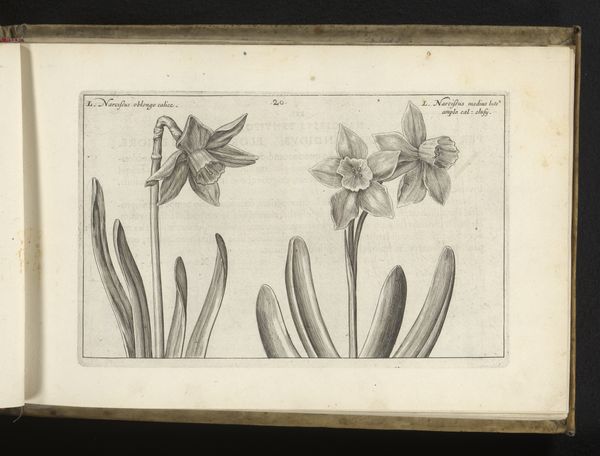
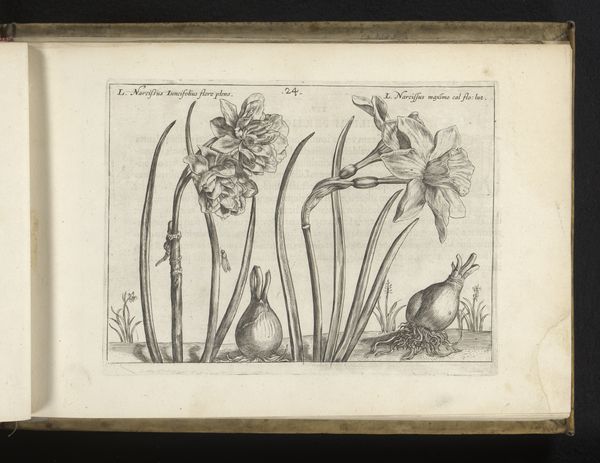
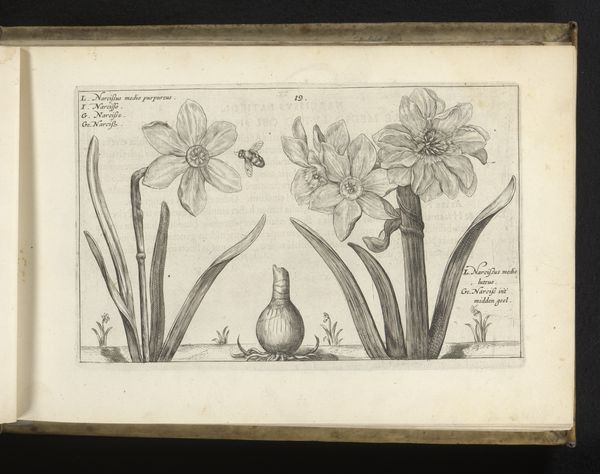
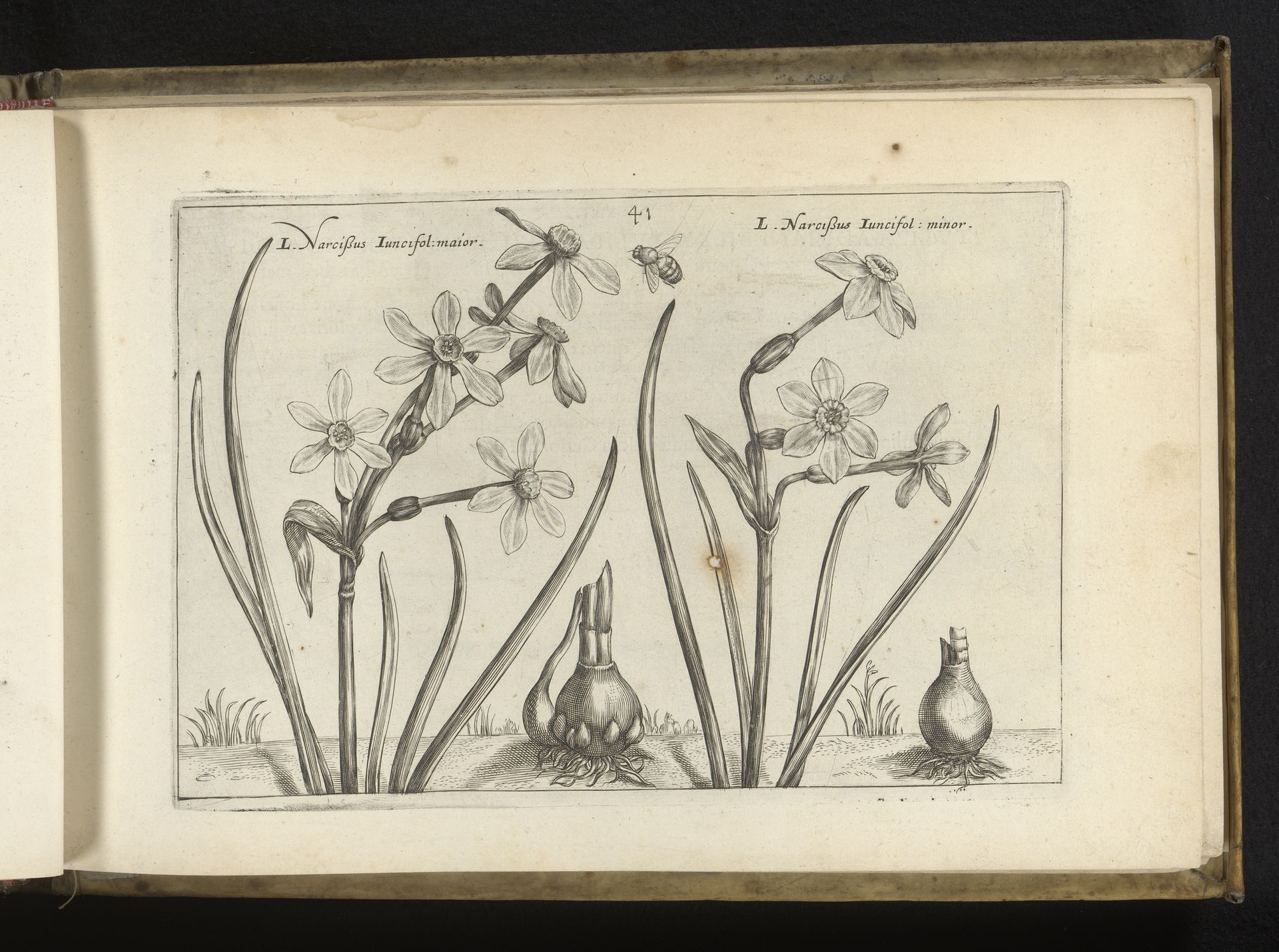
Twee varianten van de biesbladige narcis

Crispijn van de (II) Passe
1597 - 1670Location
RijksmuseumListen to curator's interpretation
Curatorial notes
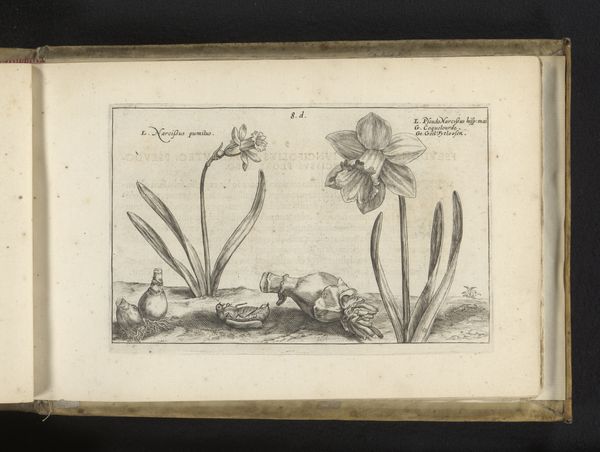
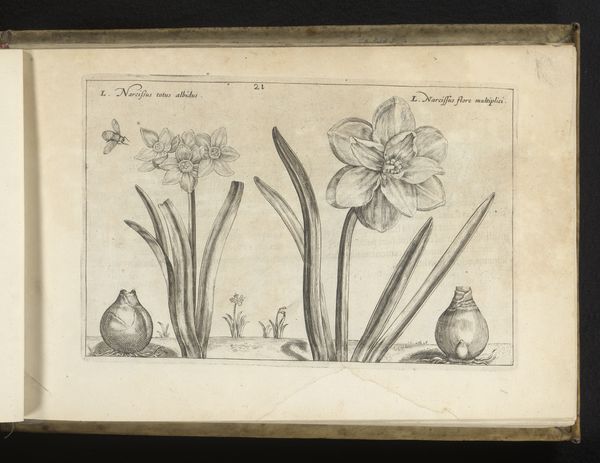
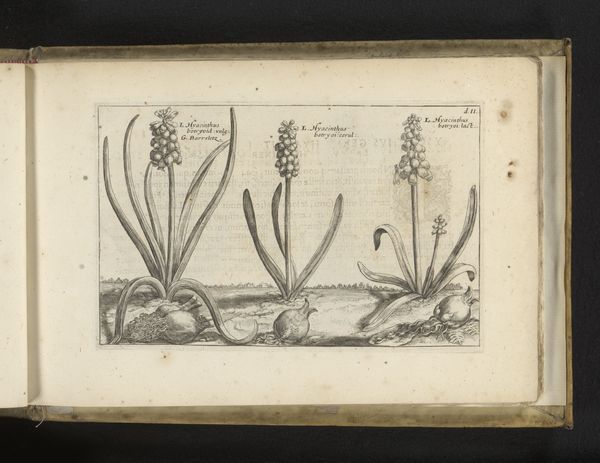
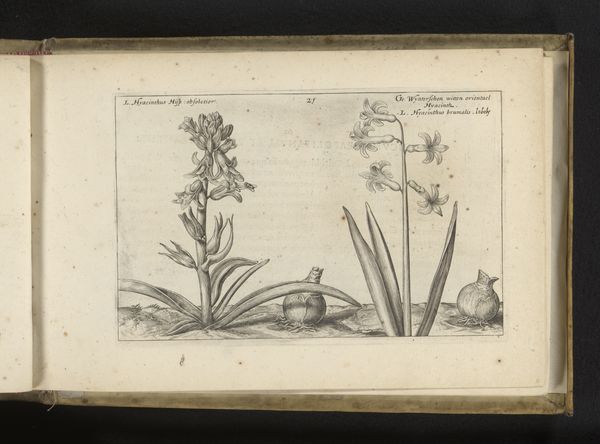
Crispijn van de Passe the Younger made this engraving of two variants of daffodil. The image gives us a glimpse into the burgeoning scientific culture of the Dutch Golden Age. During this period, the Netherlands became a hub for botanical study and the cultivation of exotic plants. Amsterdam's Hortus Botanicus, founded in 1638, played a pivotal role in this development, serving as a center for research. Van de Passe's print reflects this growing interest in natural history and classification. The detailed depiction of the narcissus, including its bulb, suggests a desire for accurate representation and scientific understanding. The presence of the bee might allude to pollination. To fully appreciate the print, one could consult contemporary botanical texts, seed catalogues, and the records of institutions like the Hortus Botanicus. These sources help us understand the social and intellectual context in which this image was created.