c. 20th century
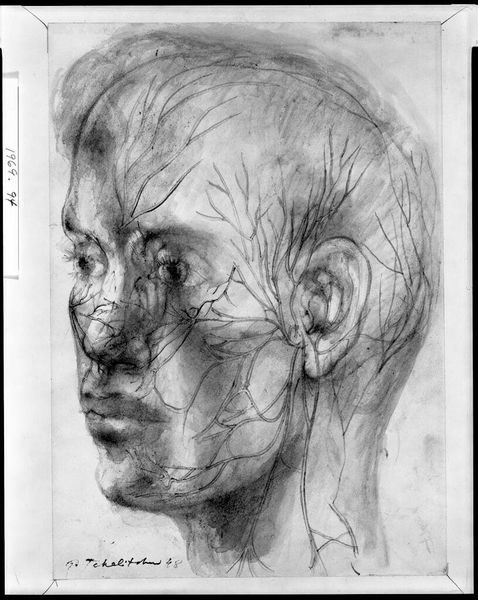
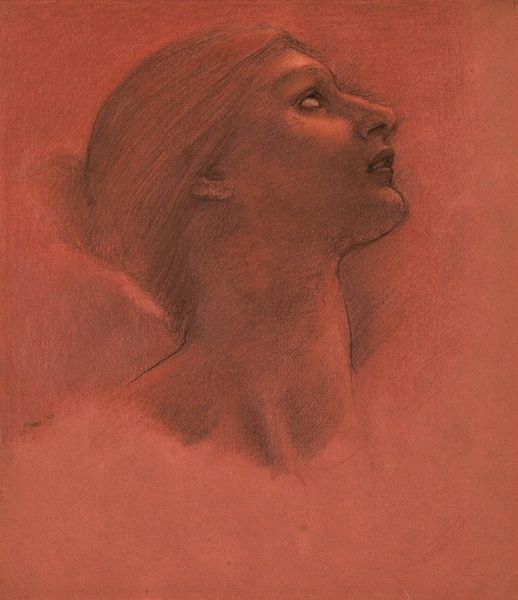
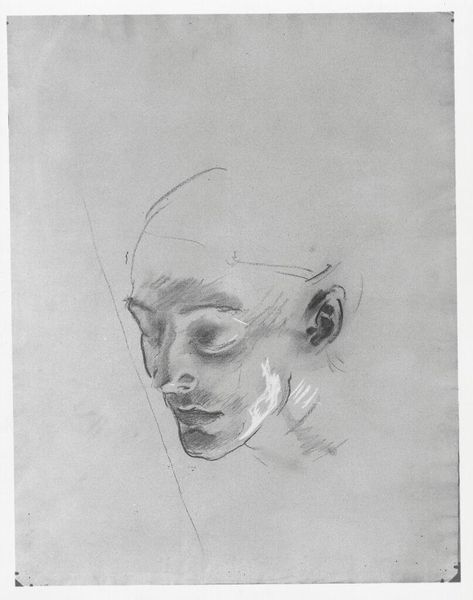
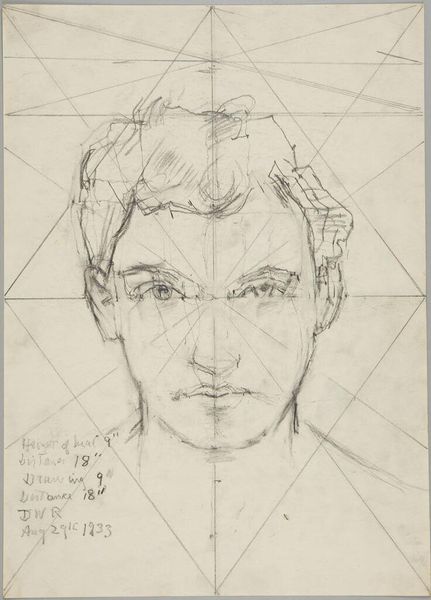
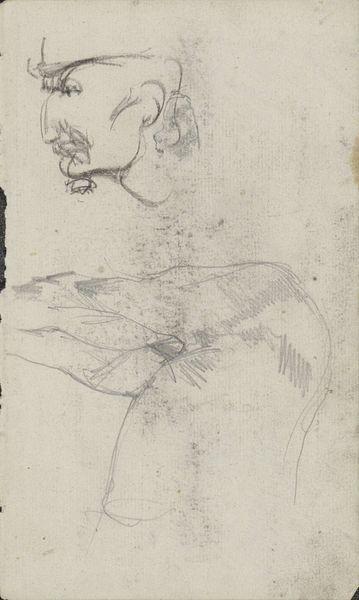
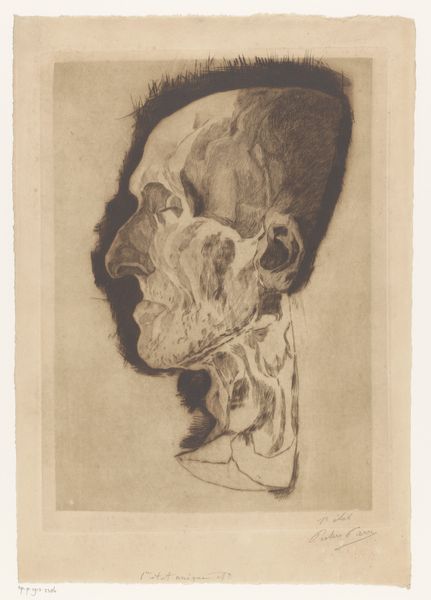
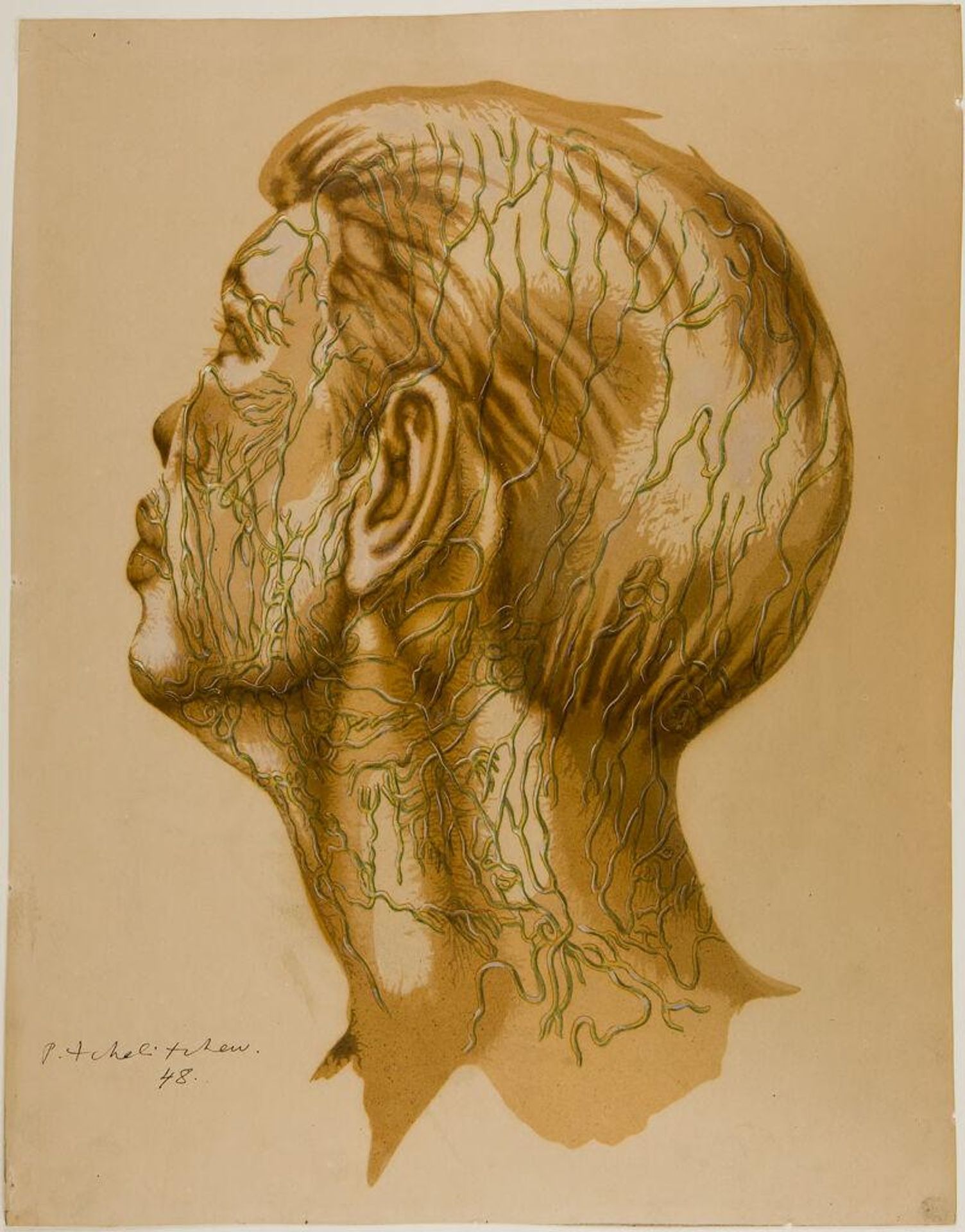
Head of a Man


Listen to curator's interpretation
Curatorial notes
Editor: Pavel Tchelitchew's "Head of a Man" is a striking piece. The veins are so prominent! What’s the story behind this unsettling yet fascinating depiction? Curator: It reflects a postwar preoccupation with the fragility of the human body, doesn't it? Think of the societal trauma of the time. Editor: You mean like, the existential dread after the war? Curator: Exactly. The visible veins could symbolize vulnerability or even a literal mapping of trauma onto the body. Editor: So, it's not just a portrait, but a reflection of the anxieties of the time? Curator: Precisely. Tchelitchew gives us a glimpse of the psychological scars of war. This piece really makes us confront our own mortality. Editor: I never thought about it that way. I'm seeing it in a completely new light now. Curator: That's the beauty of art, isn't it? It challenges us to think critically about our history and ourselves.