About this artwork
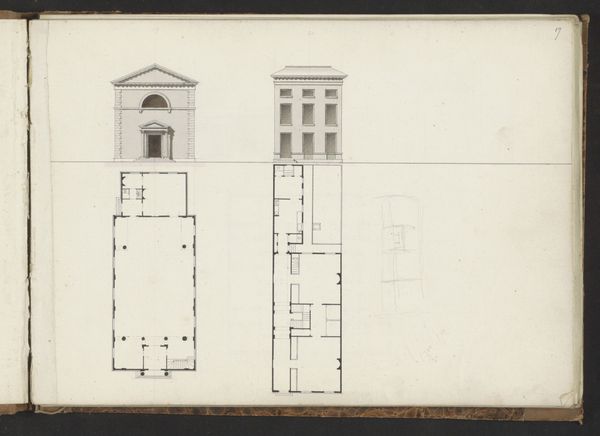
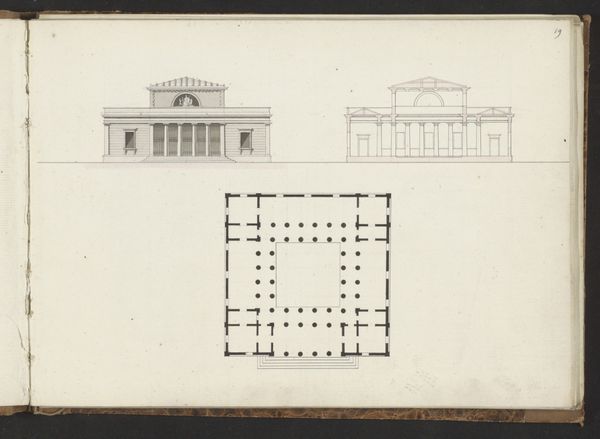
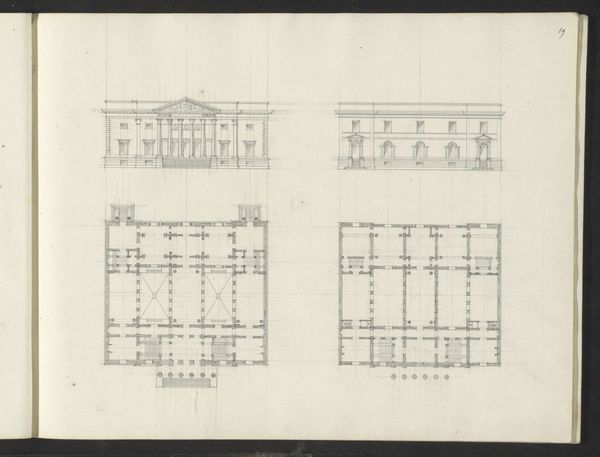
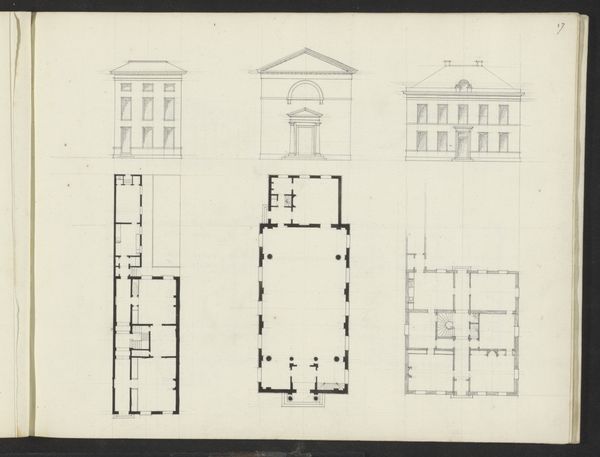
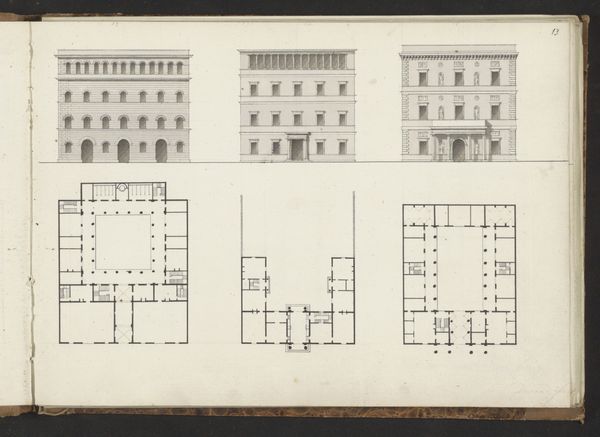
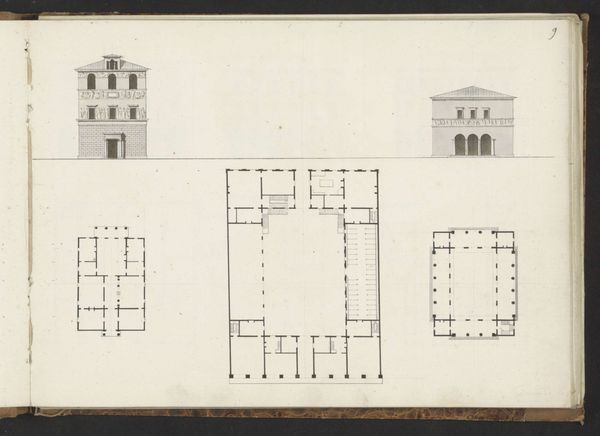
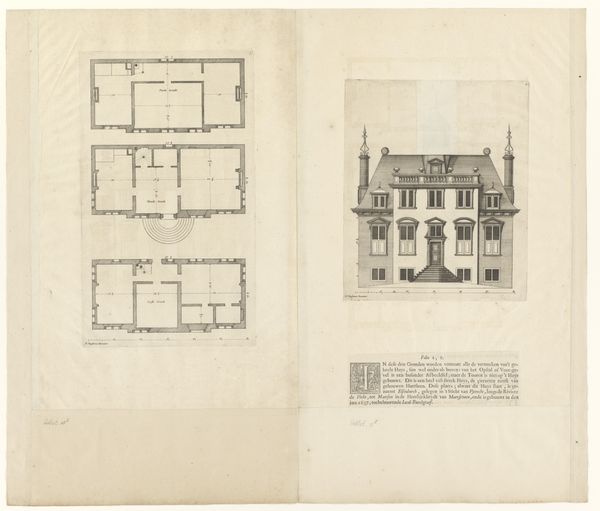
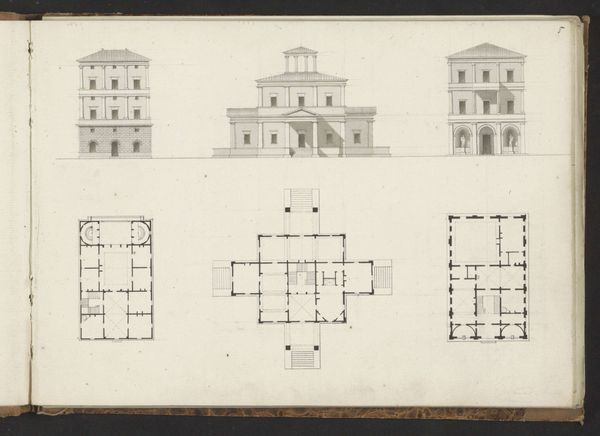
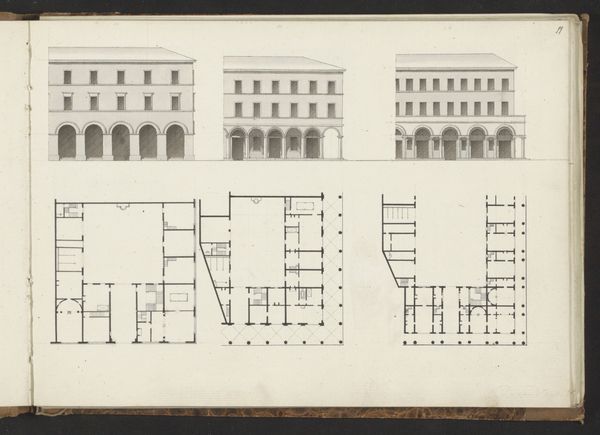
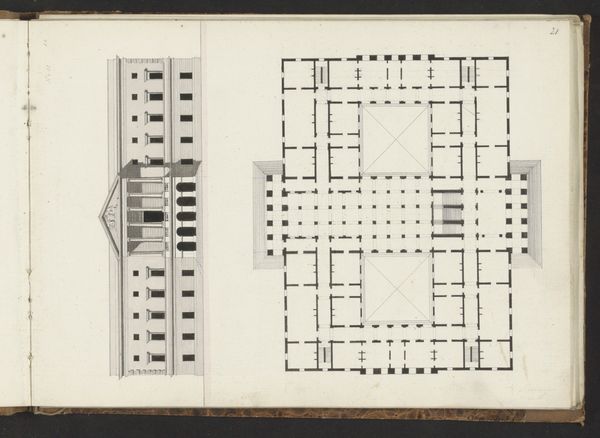
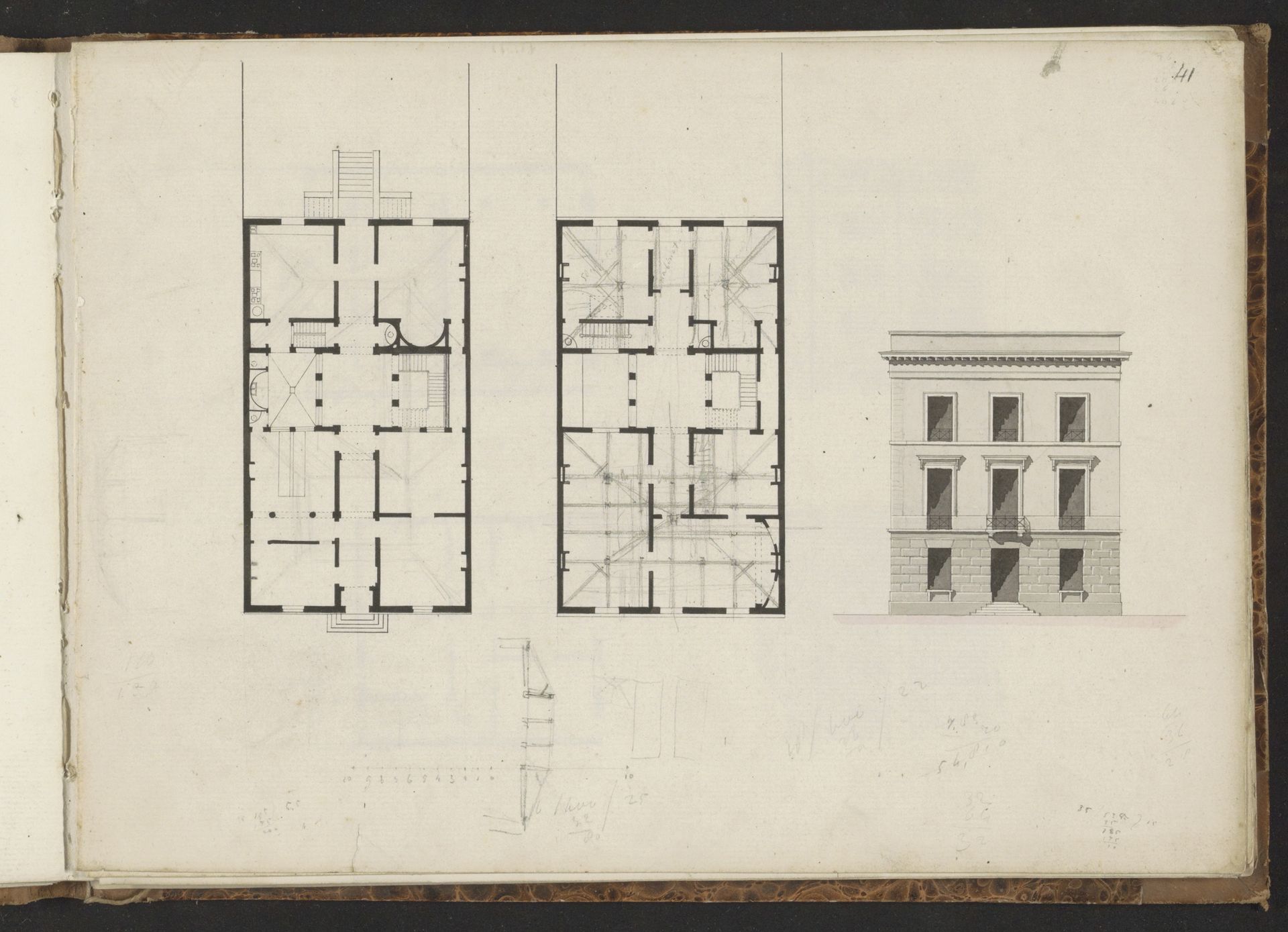
Willem Springer Jr. created this drawing, "Plattegronden en de voorgevel van een gebouw," with lines that betray the rigid formality of 19th-century architectural design. The layout is strictly divided into orderly rooms with a facade of evenly spaced windows, each element echoing a sense of control and symmetry. But the lines aren’t just lines; they’re echoes of ancient spatial principles. The impulse to create order is evident, and takes us back through Vitruvius to the Greeks, who saw in architectural harmony a reflection of cosmic harmony. Consider how the concept of 'order' has traversed through time, shifting from the sacred geometry of temples to the domestic planning. The grid-like arrangement of rooms mirrors a universal desire to tame the chaos of existence into something comprehensible. The impulse towards order speaks to our very human attempt to control our surroundings. This is not just a building, but a manifestation of deeply ingrained cultural and psychological patterns. The image resonates with a collective memory, ever evolving, ever returning.

Artwork details
- Medium
- drawing, paper, ink, architecture
- Copyright
- Rijks Museum: Open Domain
Tags
Comments
Share your thoughts
About this artwork
Willem Springer Jr. created this drawing, "Plattegronden en de voorgevel van een gebouw," with lines that betray the rigid formality of 19th-century architectural design. The layout is strictly divided into orderly rooms with a facade of evenly spaced windows, each element echoing a sense of control and symmetry. But the lines aren’t just lines; they’re echoes of ancient spatial principles. The impulse to create order is evident, and takes us back through Vitruvius to the Greeks, who saw in architectural harmony a reflection of cosmic harmony. Consider how the concept of 'order' has traversed through time, shifting from the sacred geometry of temples to the domestic planning. The grid-like arrangement of rooms mirrors a universal desire to tame the chaos of existence into something comprehensible. The impulse towards order speaks to our very human attempt to control our surroundings. This is not just a building, but a manifestation of deeply ingrained cultural and psychological patterns. The image resonates with a collective memory, ever evolving, ever returning.
Comments
Share your thoughts