1859
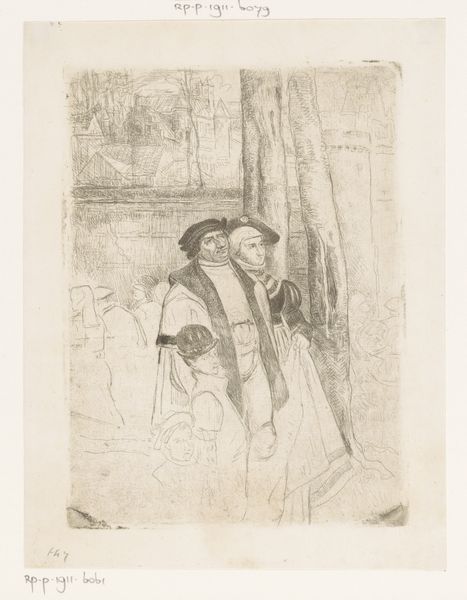
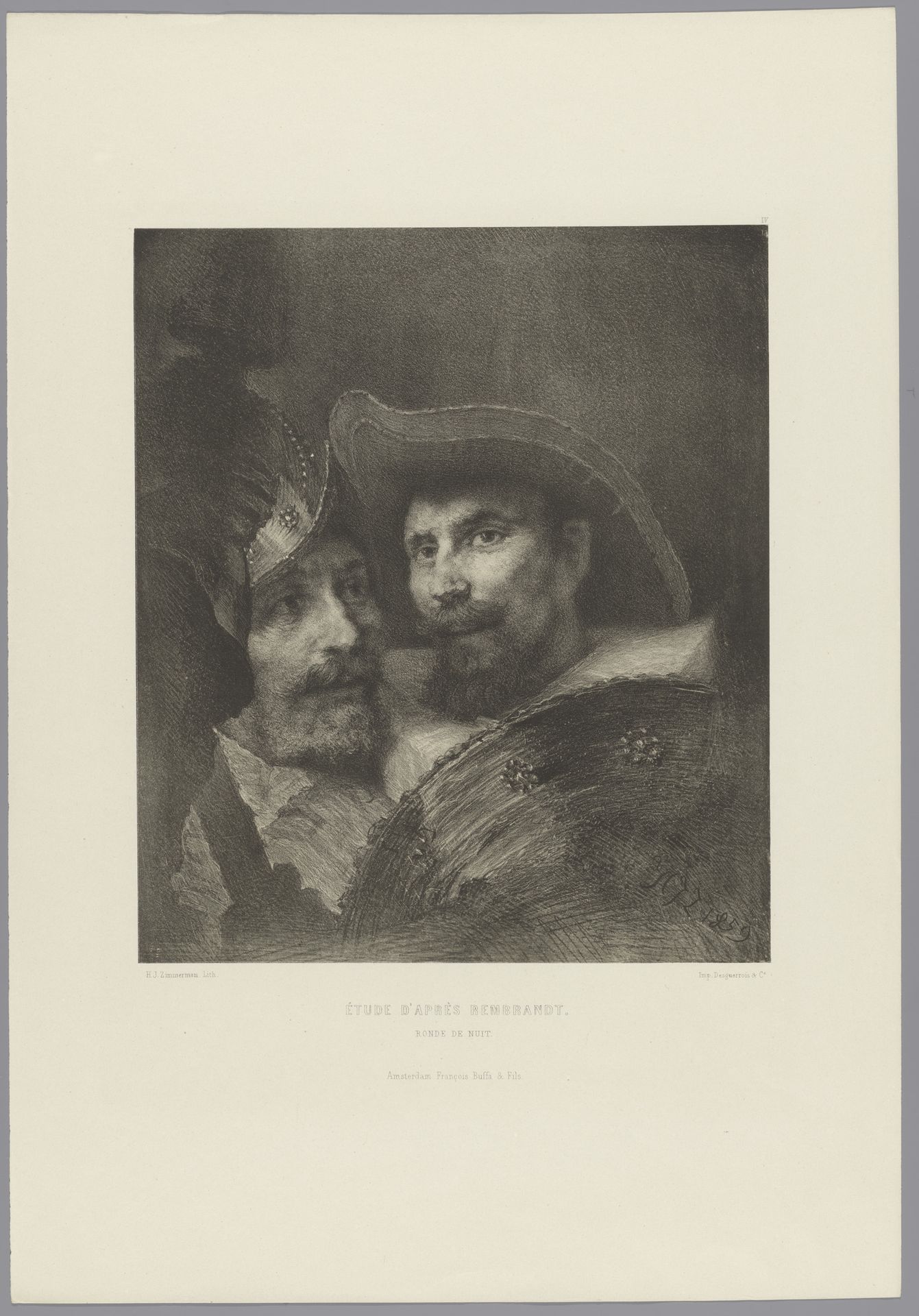
Portretten van twee schutters uit De Nachtwacht

Listen to curator's interpretation
Curatorial notes
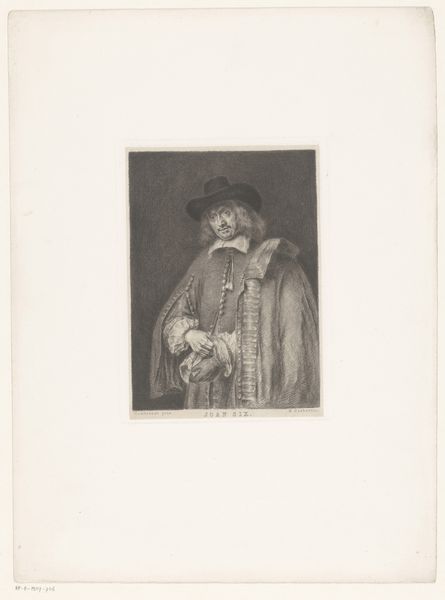
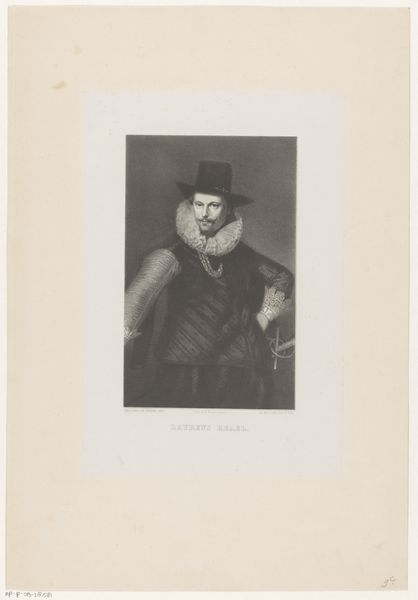
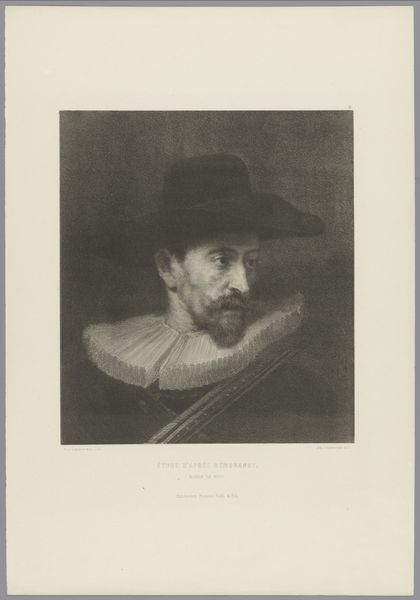
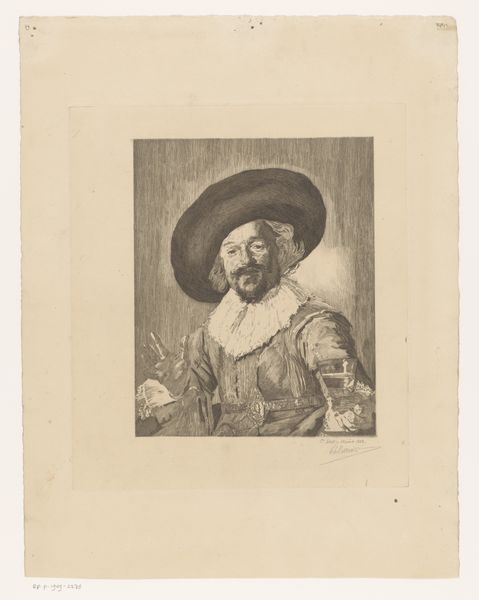
This print by Henri J. Zimmerman, made in the 19th century, depicts two figures extracted from Rembrandt’s famous painting The Night Watch. It invites us to consider the evolving role and perception of art within the burgeoning cultural institutions of the time. Focusing on these characters allows Zimmerman to explore themes of civic duty, social class, and the performance of identity within the Dutch Golden Age. Amsterdam, during the 17th century, was a vibrant hub of commerce and culture. Rembrandt’s original Night Watch captured the spirit of the militia, reflecting the values of a society that was proud of its independence. The institutional history of art is evoked through the art of reproduction. Zimmerman’s print, a reproduction of Rembrandt’s characters, asks us to consider the public role of art and its interpretation across time. Analyzing exhibition records, critical reviews, and public commentary would offer invaluable insights into this artwork. Art's meaning is contingent on its ever-changing social and institutional contexts.