About this artwork
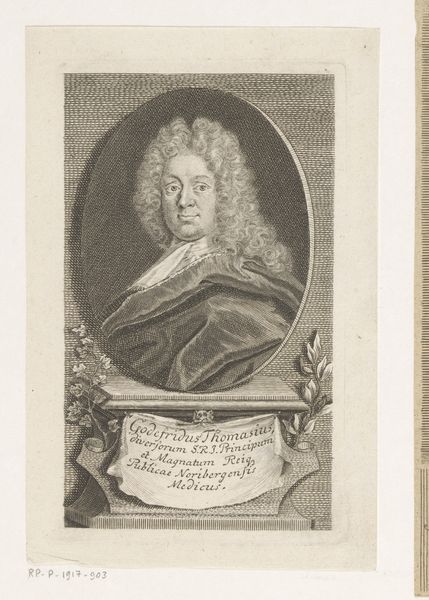
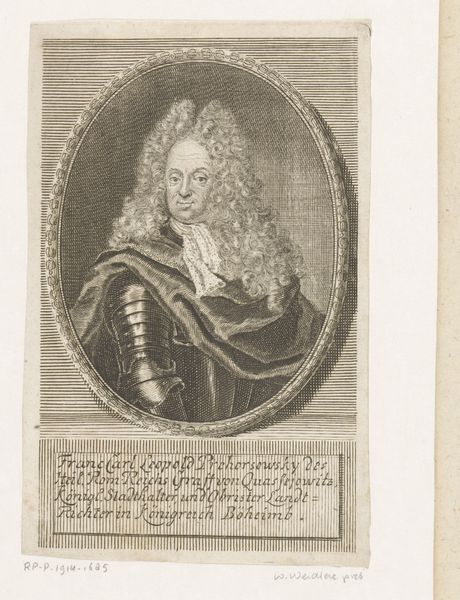
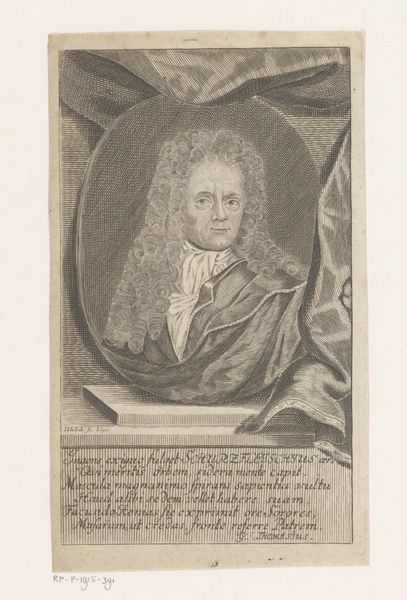
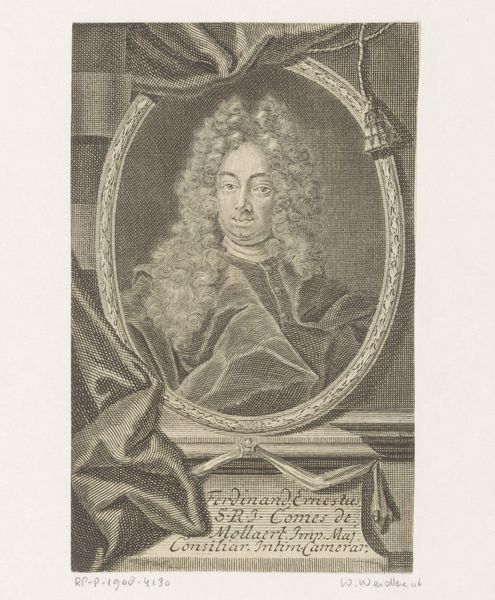
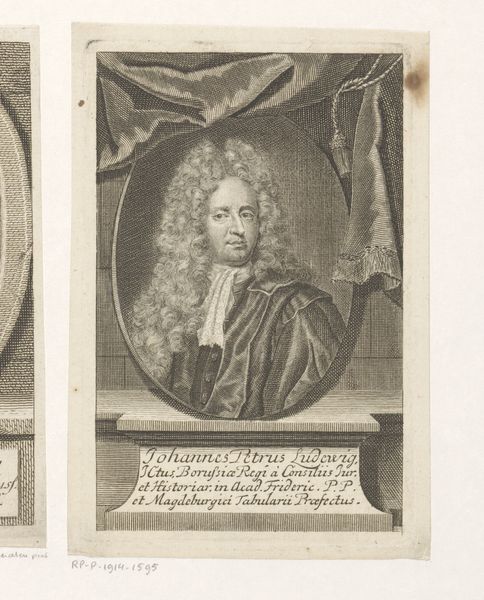
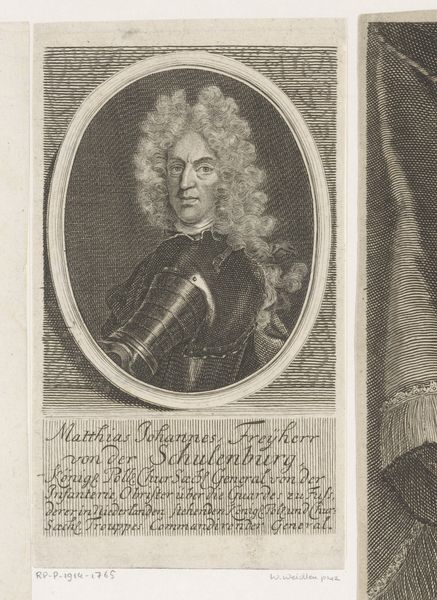
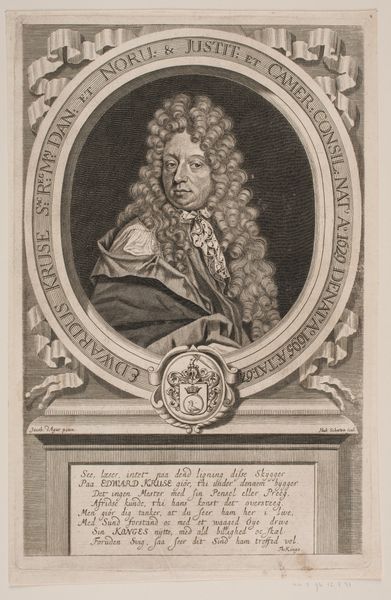
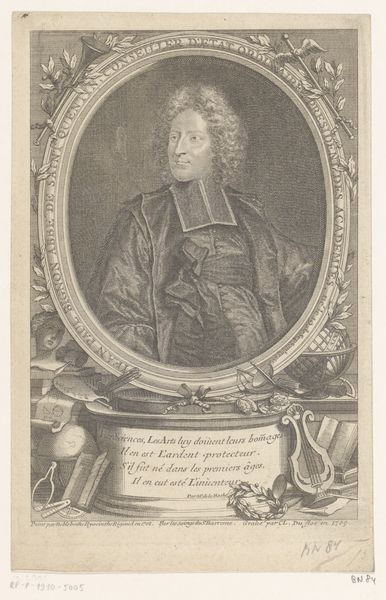
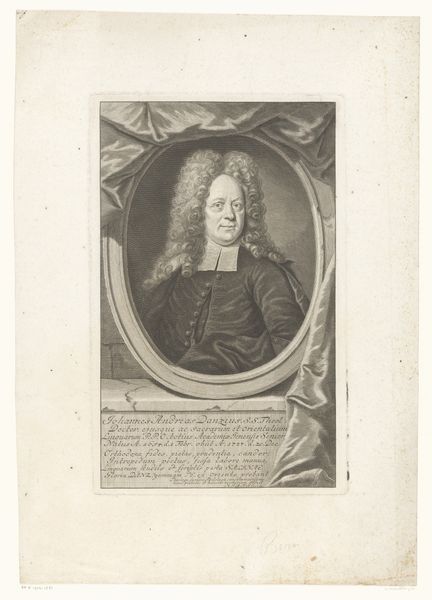
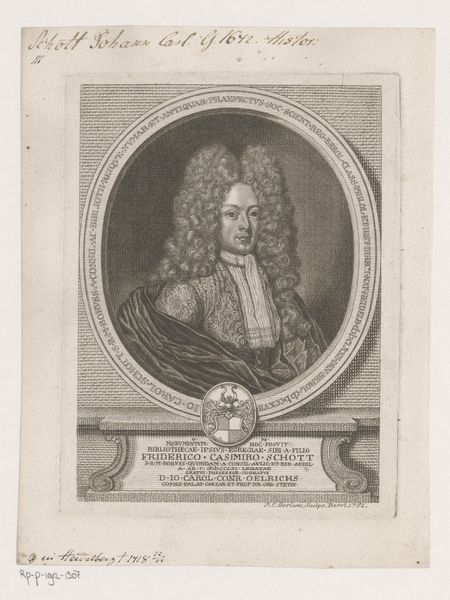
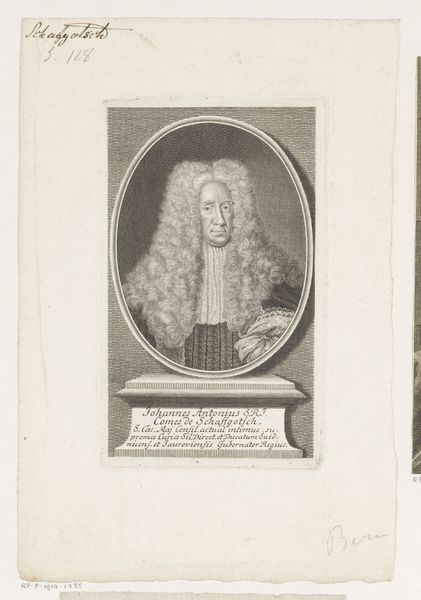
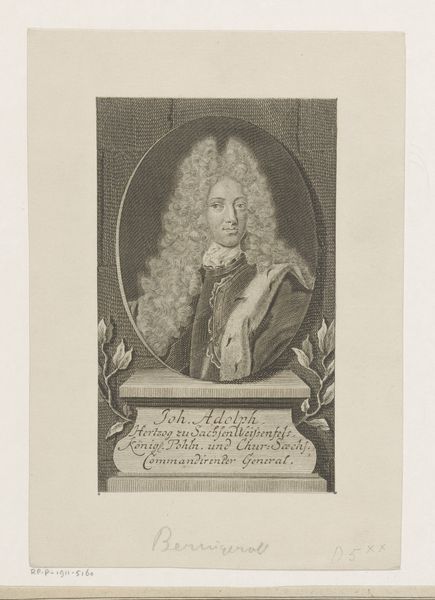
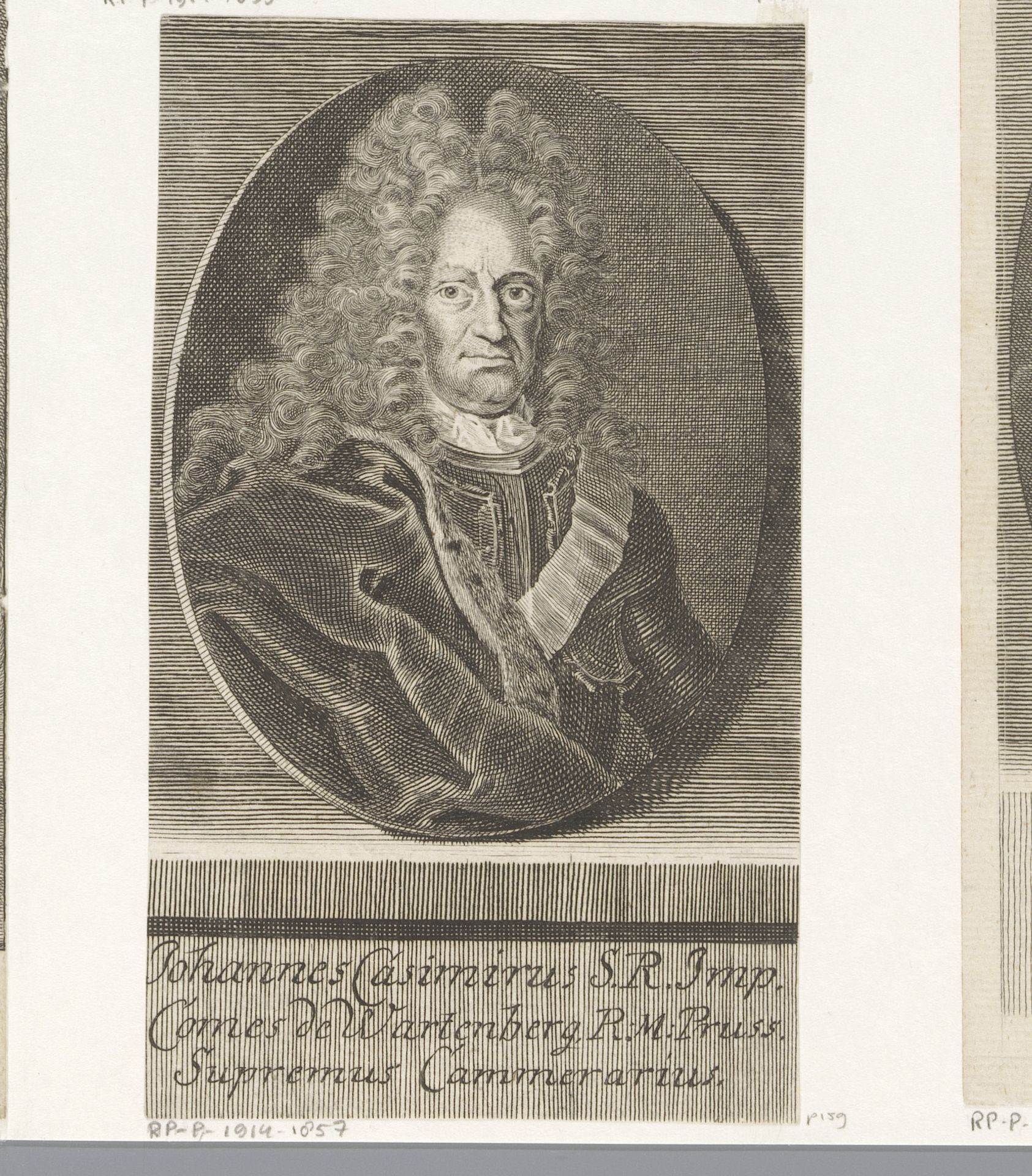
This is Martin Bernigeroth's portrait of Johann Casimir II, etched with remarkable detail. The most striking feature is surely the elaborate wig, a symbol of status and power in the 17th and 18th centuries. Wigs such as this connect us to a long line of historical figures, from the Roman emperors with their stylized hair to the French aristocracy. Remember the Sun King, Louis XIV? His wigs were not just fashion, but a declaration of his authority. Over time, what began as a necessity to hide baldness transformed into a potent symbol, signifying wisdom, judgment, and control. Yet, this symbol also carries its own anxieties. The artifice, the labor required to maintain such a facade—it all points to a deeper concern with appearances, with the performance of power. The image resonates with the echoes of history. It reminds us that symbols are not static; they evolve, gain new layers of meaning, and resurface in unexpected ways.
Portret van Johann Casimir II, Reichsgraf Kolbe van Wartenberg
1709

Martin Bernigeroth
1670 - 1733Location
RijksmuseumArtwork details
- Medium
- print, paper, engraving
- Dimensions
- height 140 mm, width 82 mm
- Location
- Rijksmuseum
- Copyright
- Rijks Museum: Open Domain
Tags
Comments
Share your thoughts
About this artwork
This is Martin Bernigeroth's portrait of Johann Casimir II, etched with remarkable detail. The most striking feature is surely the elaborate wig, a symbol of status and power in the 17th and 18th centuries. Wigs such as this connect us to a long line of historical figures, from the Roman emperors with their stylized hair to the French aristocracy. Remember the Sun King, Louis XIV? His wigs were not just fashion, but a declaration of his authority. Over time, what began as a necessity to hide baldness transformed into a potent symbol, signifying wisdom, judgment, and control. Yet, this symbol also carries its own anxieties. The artifice, the labor required to maintain such a facade—it all points to a deeper concern with appearances, with the performance of power. The image resonates with the echoes of history. It reminds us that symbols are not static; they evolve, gain new layers of meaning, and resurface in unexpected ways.
Comments
Share your thoughts