1737 - 1744
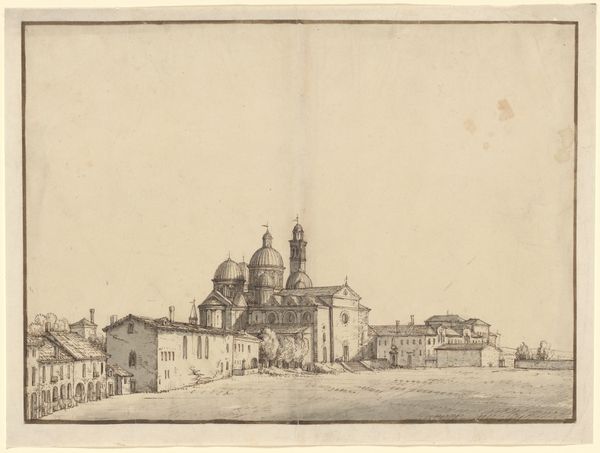
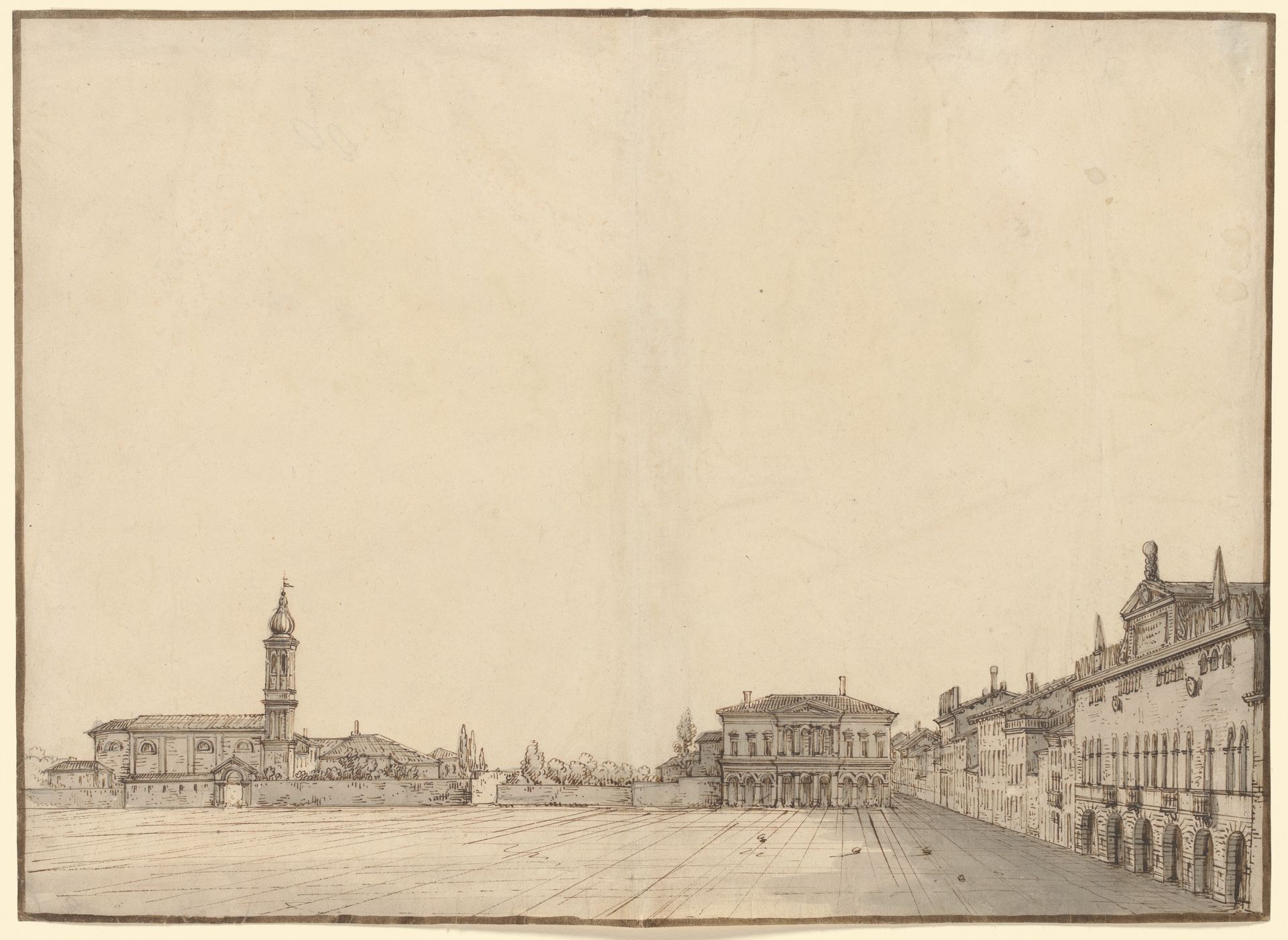
The Prato della Valle at Padua


Listen to curator's interpretation
Curatorial notes
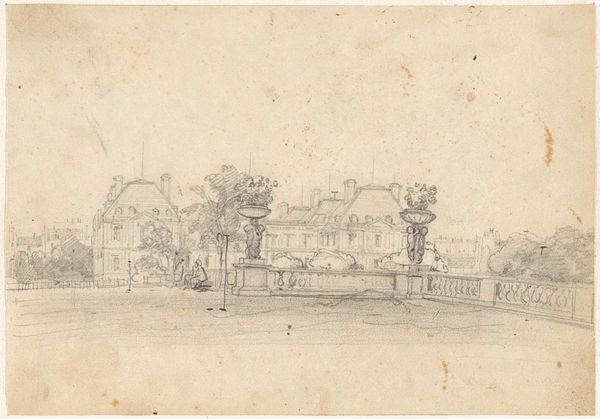
Bernardo Bellotto made this pen and brown ink drawing of the Prato della Valle in Padua, Italy, sometime in the mid-18th century. Bellotto was known for his vedute, or views, of European cities. Here, he captures the grandeur of this public space. The Prato della Valle was, and remains, the largest public square in Padua. Its design, dating back to the late 18th century, reflects the ideals of the Enlightenment, emphasizing order, reason, and the public good. Bellotto's drawing, with its precise lines and focus on architectural detail, mirrors this rational aesthetic. The vast open space, framed by classical buildings, suggests a desire for civic harmony and progress. To fully understand this drawing, one could research the history of urban planning in 18th-century Europe, the influence of Enlightenment thought on Italian society, and the patronage networks that supported artists like Bellotto. Through such investigation, we can appreciate the significance of this seemingly simple view as a reflection of its time.