About this artwork
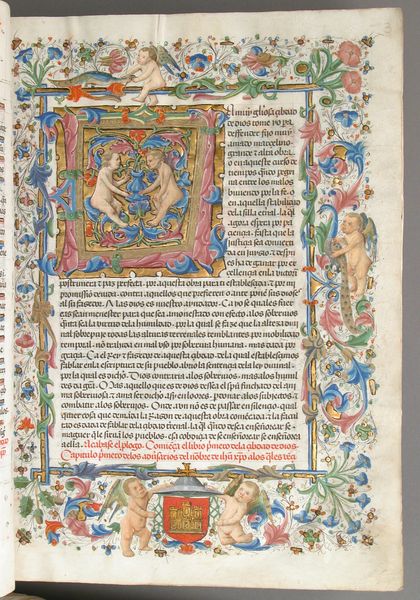
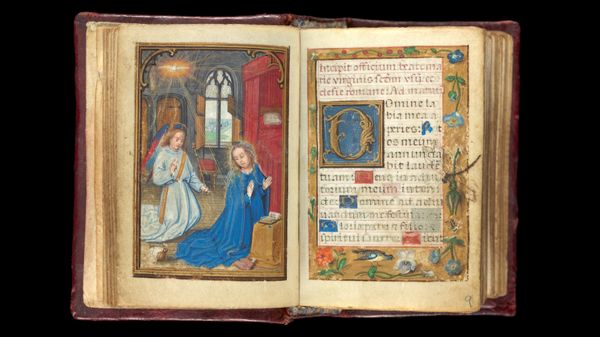
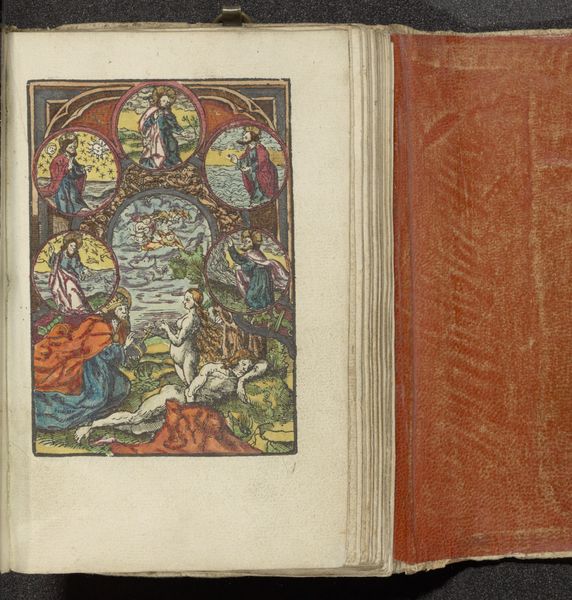
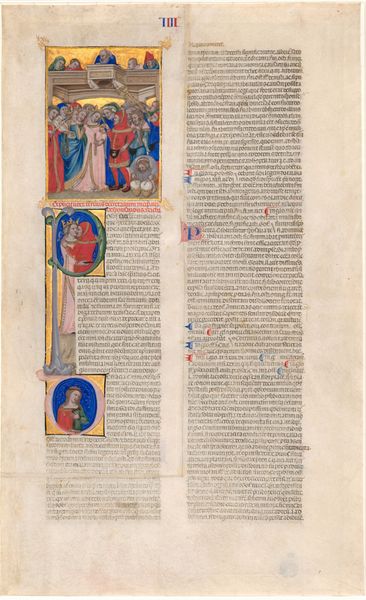
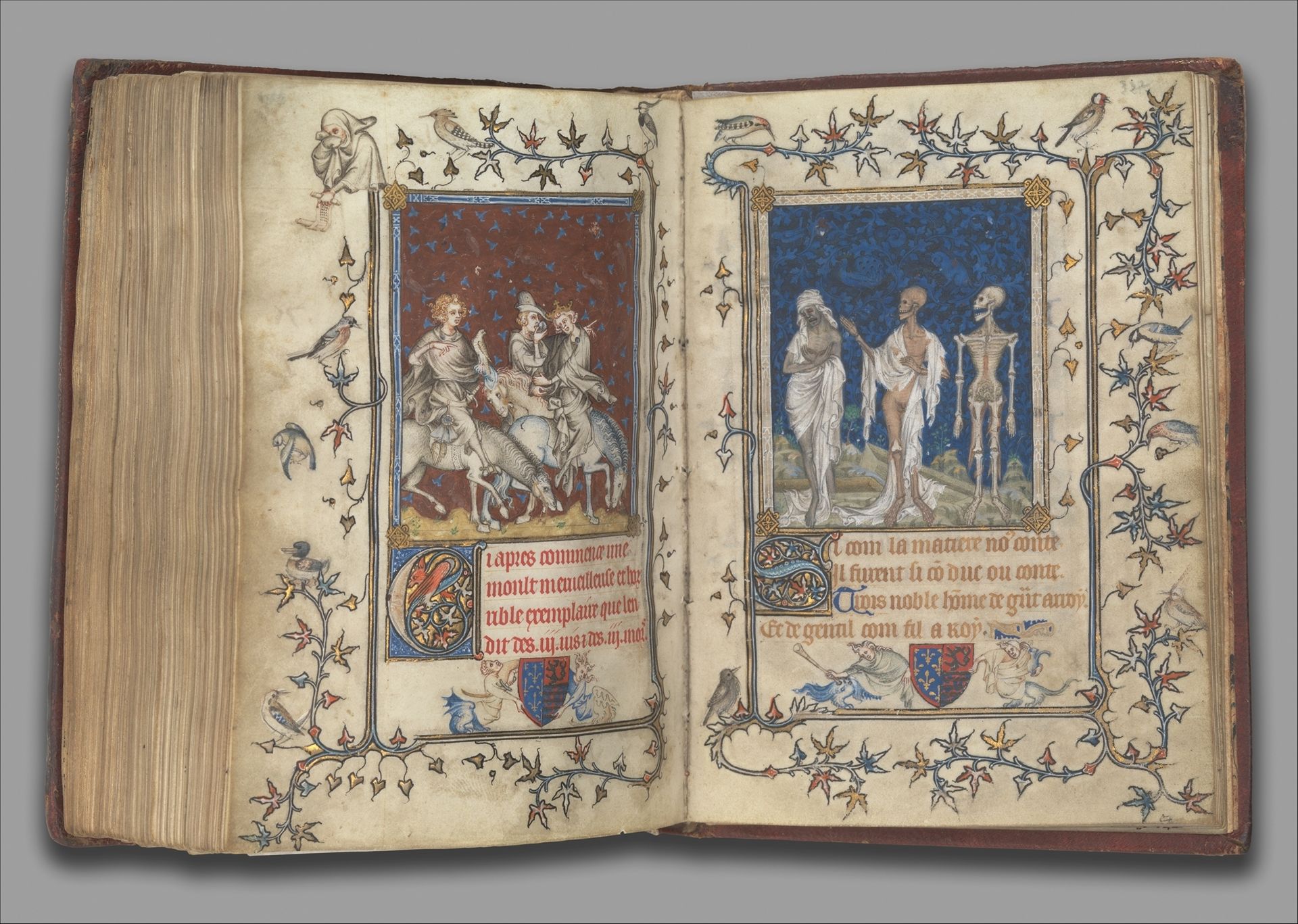
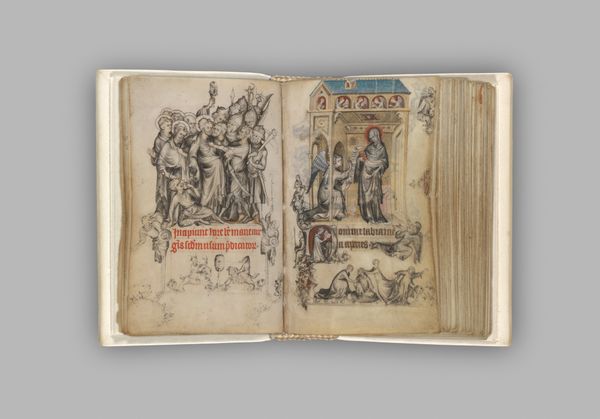
Jean Le Noir illuminated this prayer book for Bonne of Luxembourg around 1350, capturing the medieval obsession with mortality. Notice the "Three Living and the Three Dead" on facing pages. To the left, young nobles encounter their future: three skeletons. This encounter, a popular motif, is more than a morbid reminder; it's a "memento mori," urging reflection on life's transience. The skeleton, a symbol of death, appears throughout art history. In ancient Roman mosaics, it serves as a similar caution against earthly pursuits. Why this fascination with decay? Perhaps it’s a confrontation with our deepest fears, a collective anxiety manifested visually. This prayer book, with its stark imagery, serves as a psychological mirror, reflecting our mortality. But it also emphasizes the cyclical nature of existence, reminding us that from death springs new life, a concept echoed in countless cultural traditions.
The Prayer Book of Bonne of Luxembourg, Duchess of Normandy
1300 - 1349
Artwork details
- Medium
- tempera, painting
- Dimensions
- Overall (closed): 5 3/16 x 3 13/16 x 1 5/8 in. (13.2 x 9.7 x 4.2 cm) Overall (approx. size opened): 5 3/16 x 7 11/16 x 2 13/16 in. (13.2 x 19.5 x 7.1 cm) individual folios: 4 15/16 x 3 9/16 in. (12.6 x 9 cm) Storage (Book Box): 6 5/16 x 5 3/16 x 2 3/8 in. (16 x 13.2 x 6.1 cm)
- Location
- Metropolitan Museum of Art, New York, NY
- Copyright
- Public Domain
Tags
Comments
Share your thoughts
About this artwork
Jean Le Noir illuminated this prayer book for Bonne of Luxembourg around 1350, capturing the medieval obsession with mortality. Notice the "Three Living and the Three Dead" on facing pages. To the left, young nobles encounter their future: three skeletons. This encounter, a popular motif, is more than a morbid reminder; it's a "memento mori," urging reflection on life's transience. The skeleton, a symbol of death, appears throughout art history. In ancient Roman mosaics, it serves as a similar caution against earthly pursuits. Why this fascination with decay? Perhaps it’s a confrontation with our deepest fears, a collective anxiety manifested visually. This prayer book, with its stark imagery, serves as a psychological mirror, reflecting our mortality. But it also emphasizes the cyclical nature of existence, reminding us that from death springs new life, a concept echoed in countless cultural traditions.
Comments
Share your thoughts