About this artwork
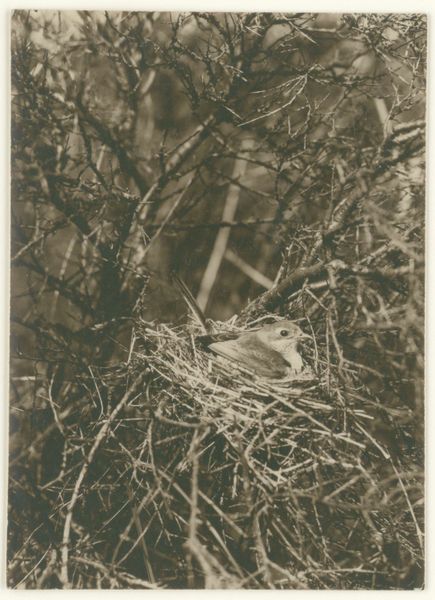
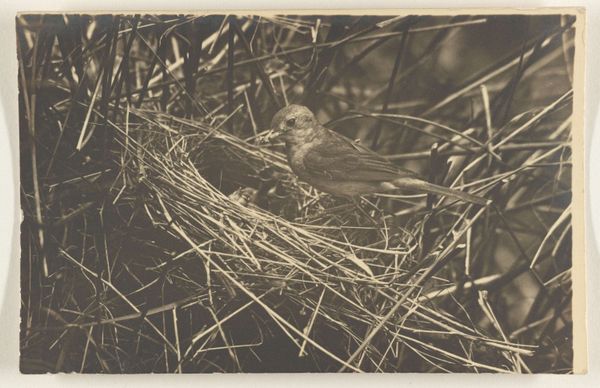
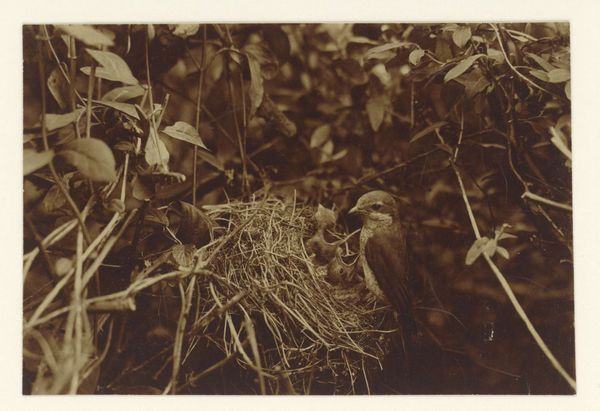
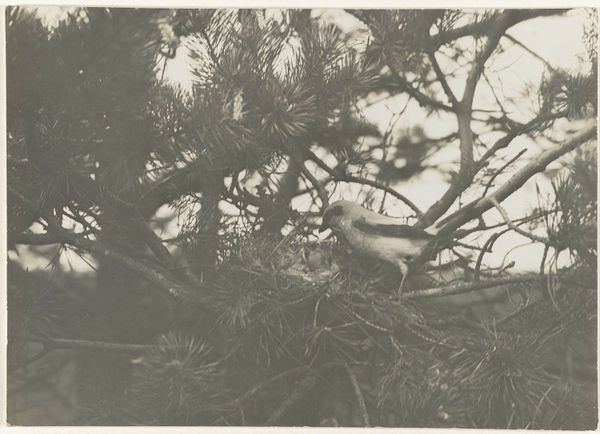
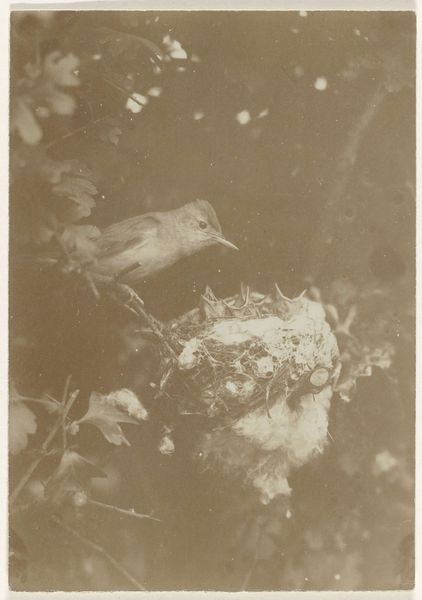
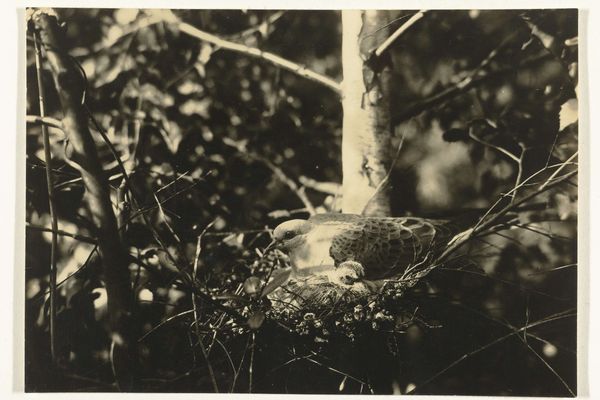
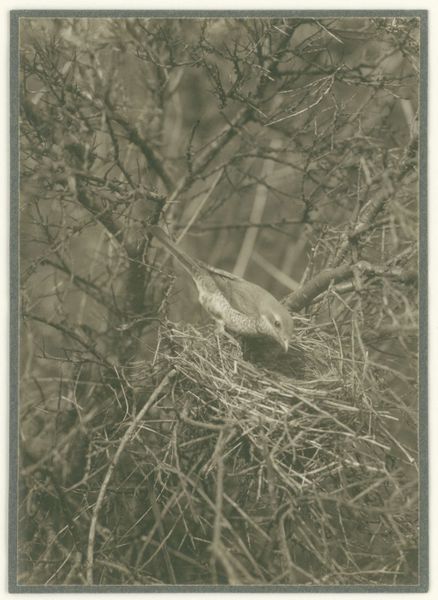
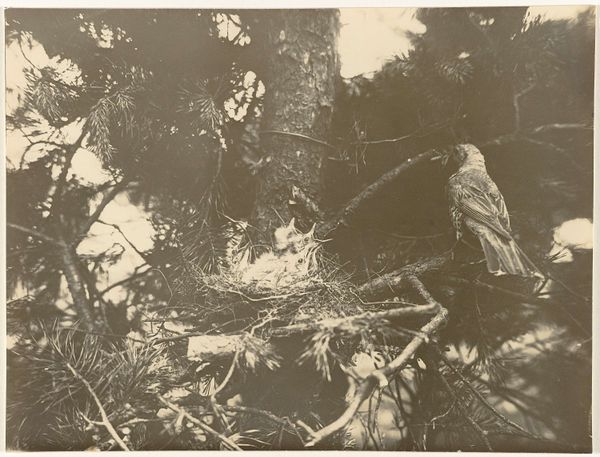
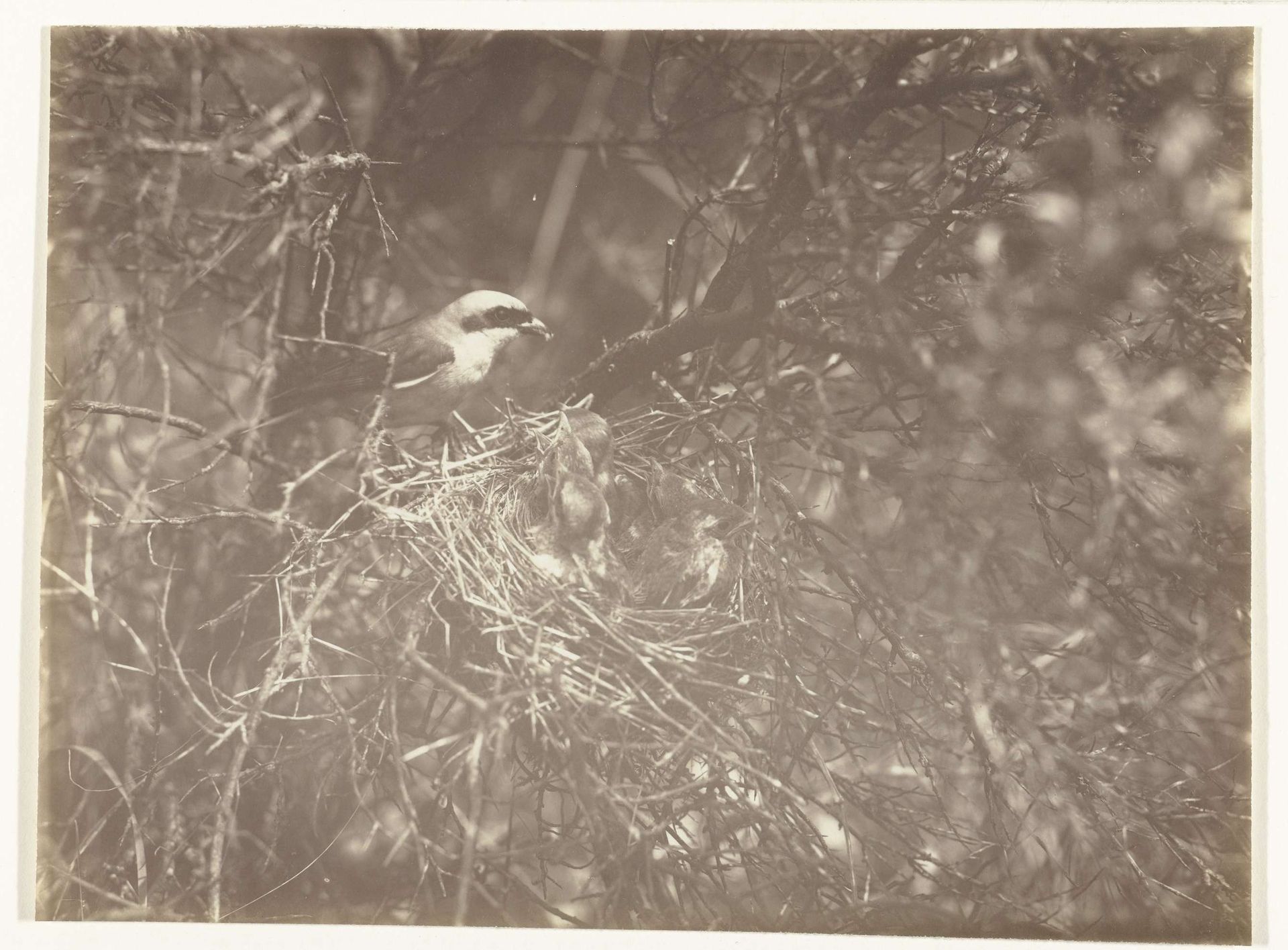
Richard Tepe made this photograph of a shrike feeding its young at the nest. In the late 19th century, the Netherlands was experiencing rapid industrialization and urbanization. This societal transformation prompted a renewed interest in nature, as people sought solace and escape from the increasingly artificial environments of city life. Tepe's work reflects this sentiment, capturing the beauty and tranquility of the natural world. The detailed depiction of the shrike and its nest highlights the importance of preserving biodiversity and respecting the delicate balance of ecosystems. To fully understand Tepe's photograph, further research into the social and environmental movements of the late 19th century would be invaluable. This image is more than just a depiction of birds; it is a testament to the changing relationship between humans and nature in a rapidly modernizing world.
Grauwe Klauwier bij een nest met jongen
before 1912

Richard Tepe
1864 - 1952Location
RijksmuseumArtwork details
- Medium
- photography, gelatin-silver-print
- Dimensions
- height 166 mm, width 221 mm
- Location
- Rijksmuseum
- Copyright
- Rijks Museum: Open Domain
Tags
Comments
Share your thoughts
About this artwork
Richard Tepe made this photograph of a shrike feeding its young at the nest. In the late 19th century, the Netherlands was experiencing rapid industrialization and urbanization. This societal transformation prompted a renewed interest in nature, as people sought solace and escape from the increasingly artificial environments of city life. Tepe's work reflects this sentiment, capturing the beauty and tranquility of the natural world. The detailed depiction of the shrike and its nest highlights the importance of preserving biodiversity and respecting the delicate balance of ecosystems. To fully understand Tepe's photograph, further research into the social and environmental movements of the late 19th century would be invaluable. This image is more than just a depiction of birds; it is a testament to the changing relationship between humans and nature in a rapidly modernizing world.
Comments
Share your thoughts