About this artwork
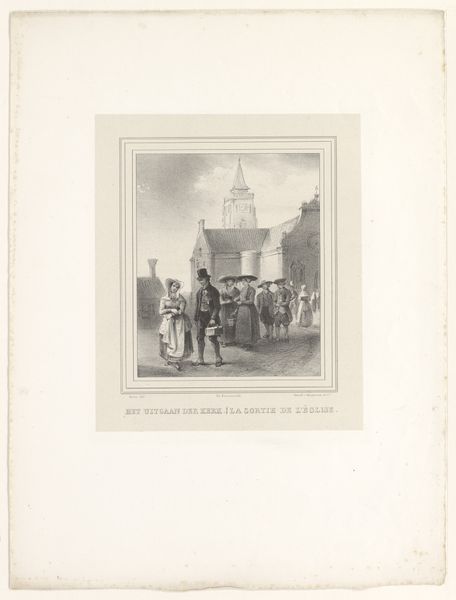
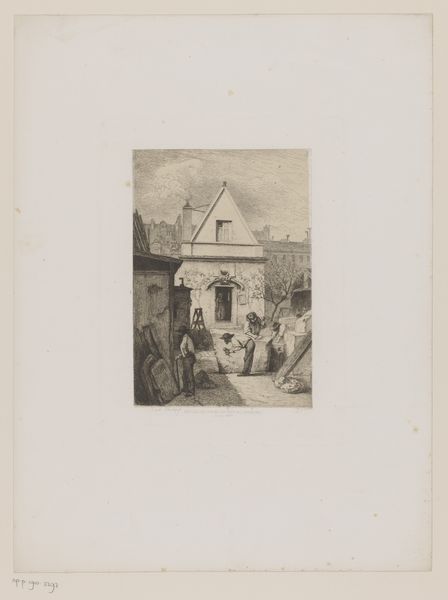
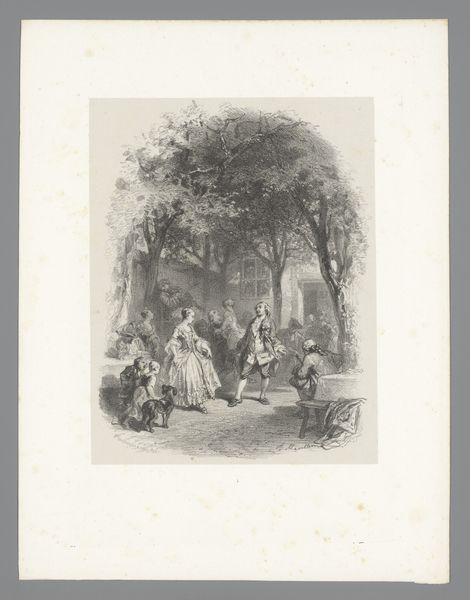
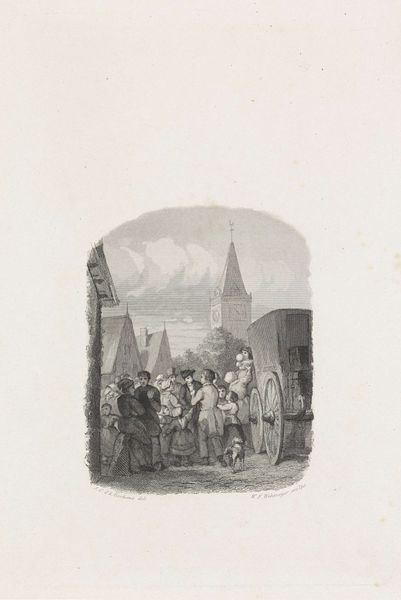
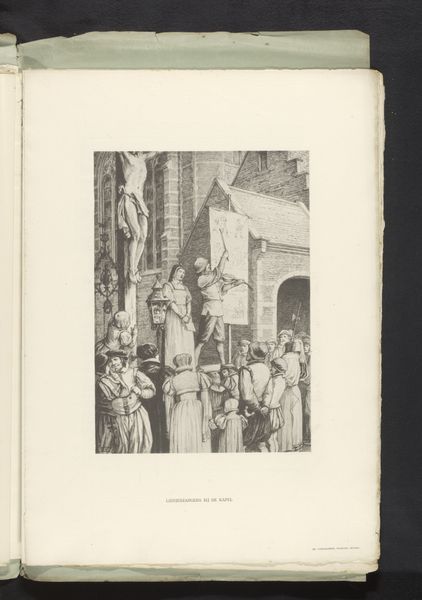
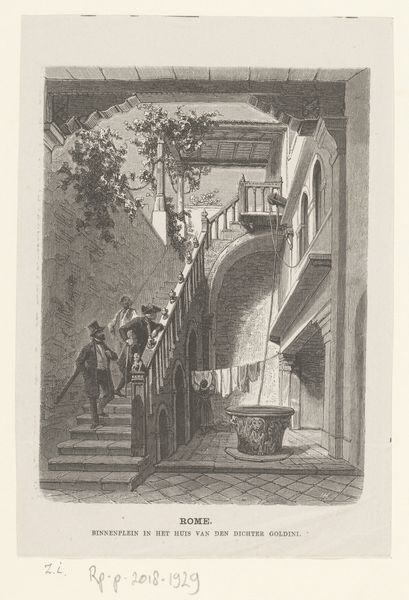
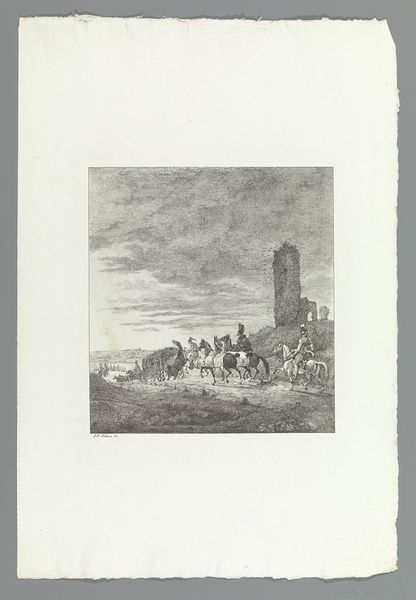
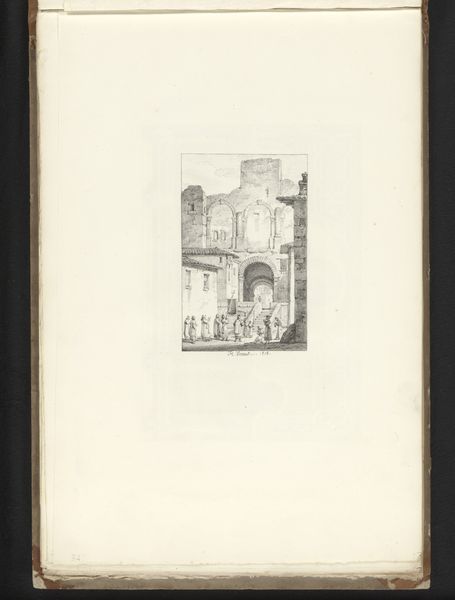
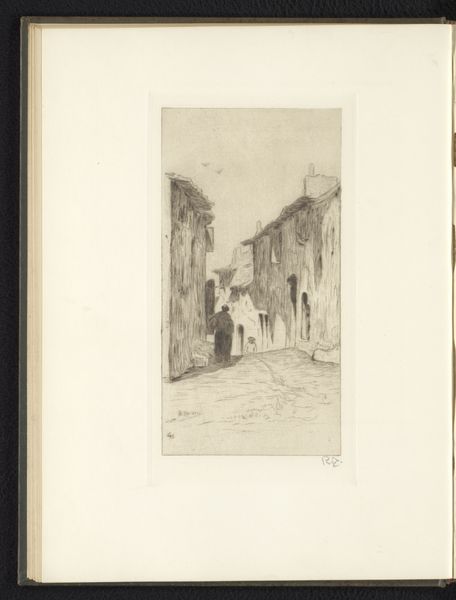
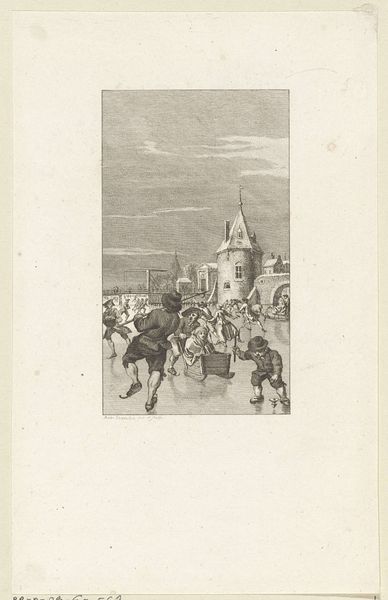
This is a photograph of Gustav Doré's "La Paix," made sometime in the 19th century by an anonymous photographer. Doré was popular for his illustrations of literary scenes and biblical stories, reflecting the values of the French bourgeoisie in the second half of the 1800s. "La Paix" presents an idealized view of rural life, depicting villagers and sheep congregating on a street near a church. The image evokes a sense of harmony and order. But consider that Doré produced this image in a period of rapid social change and increasing urbanization in France. Might this image be seen as a form of social commentary? Perhaps a longing for a simpler time, or a way to escape the discontents of modernity? Art historians use archival sources like exhibition reviews, artists' letters, and other period documents to reveal the complex social dynamics that influenced both the production and reception of art. Remember that our understanding of "La Paix" changes as new historical contexts come to light.
Fotoreproductie van La Paix door Gustav Doré 1850 - 1900

Anonymous
@anonymousLocation
RijksmuseumArtwork details
- Dimensions
- height 81 mm, width 50 mm
- Location
- Rijksmuseum
- Copyright
- Rijks Museum: Open Domain
Comments
No comments
About this artwork
This is a photograph of Gustav Doré's "La Paix," made sometime in the 19th century by an anonymous photographer. Doré was popular for his illustrations of literary scenes and biblical stories, reflecting the values of the French bourgeoisie in the second half of the 1800s. "La Paix" presents an idealized view of rural life, depicting villagers and sheep congregating on a street near a church. The image evokes a sense of harmony and order. But consider that Doré produced this image in a period of rapid social change and increasing urbanization in France. Might this image be seen as a form of social commentary? Perhaps a longing for a simpler time, or a way to escape the discontents of modernity? Art historians use archival sources like exhibition reviews, artists' letters, and other period documents to reveal the complex social dynamics that influenced both the production and reception of art. Remember that our understanding of "La Paix" changes as new historical contexts come to light.
Comments
No comments