before 1894
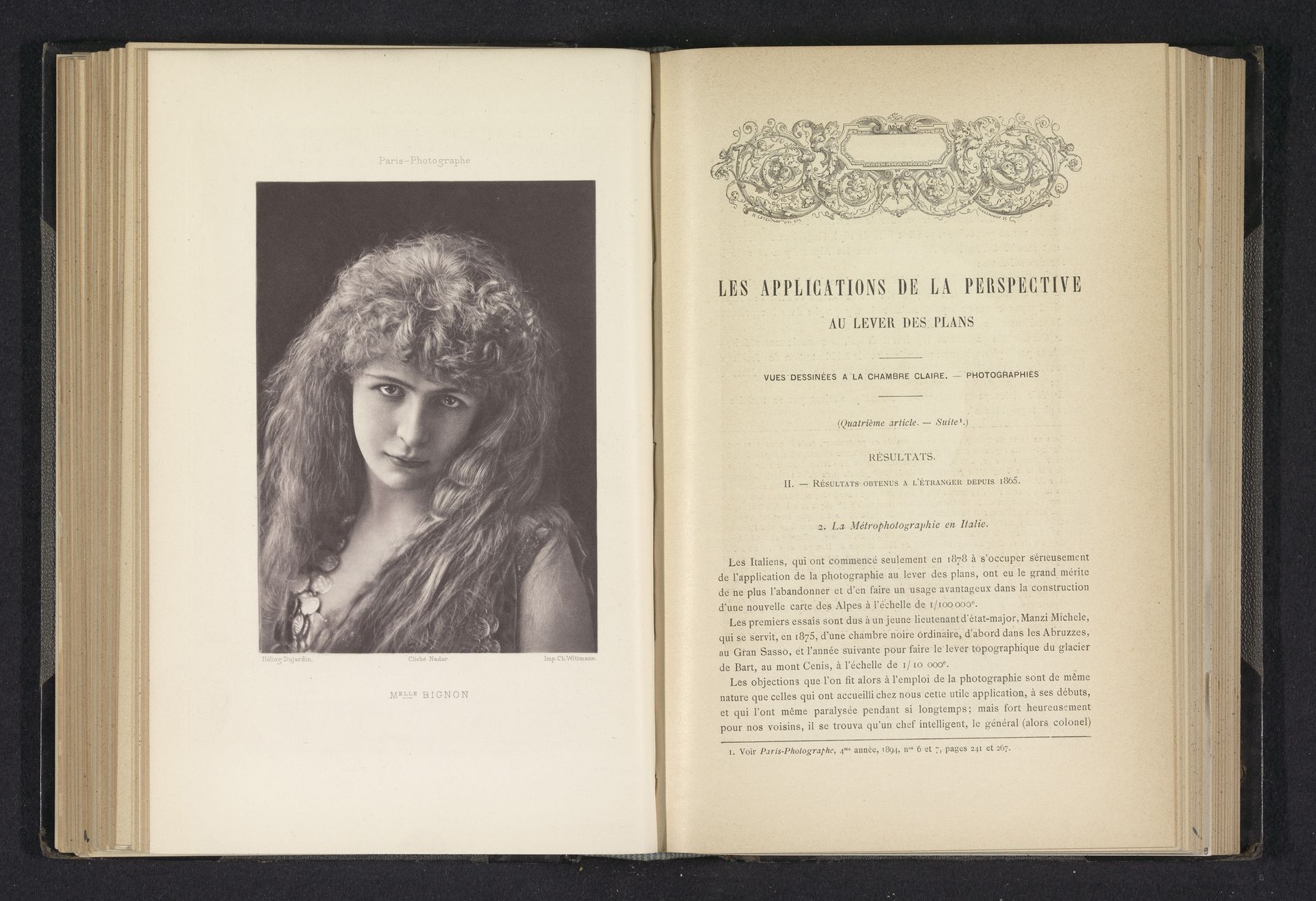
Portret van Louise Bignon

Nadar
1820 - 1910Location
RijksmuseumListen to curator's interpretation
Curatorial notes
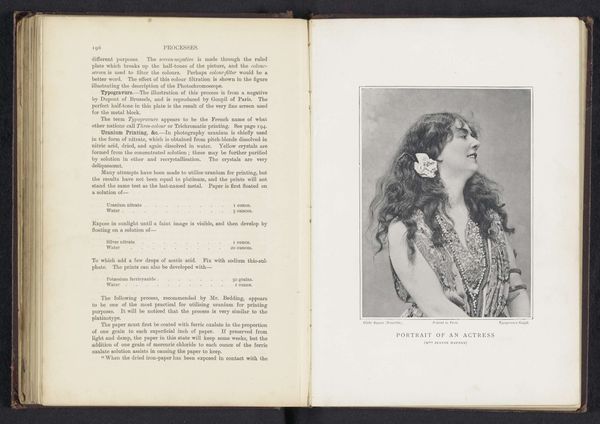
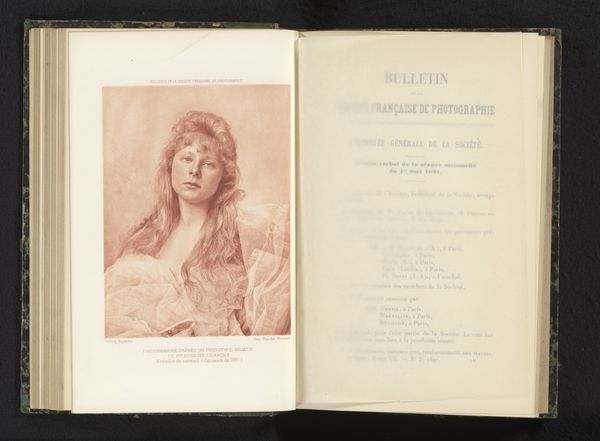
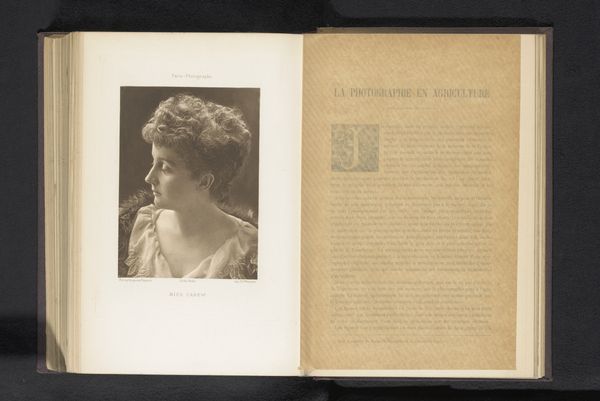
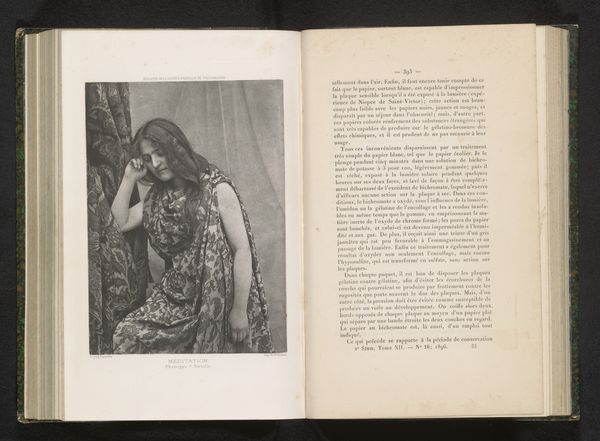
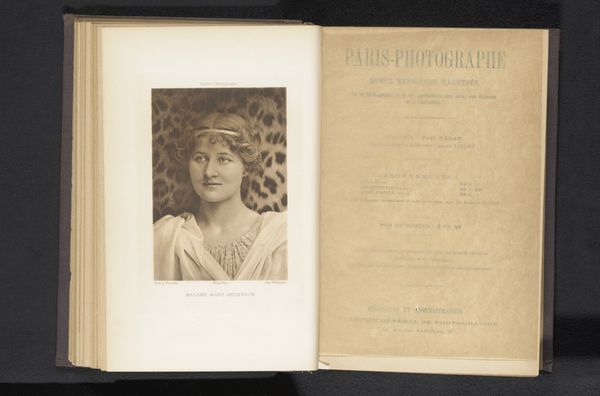
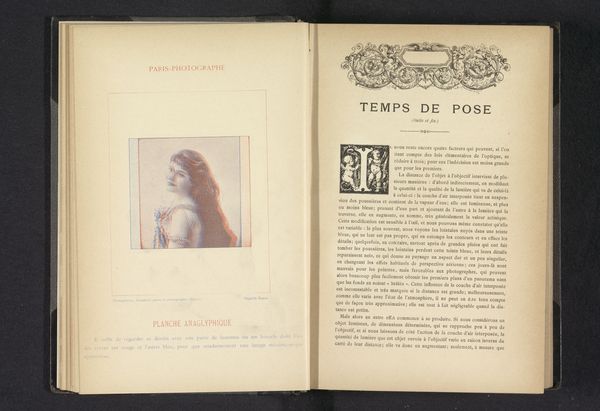
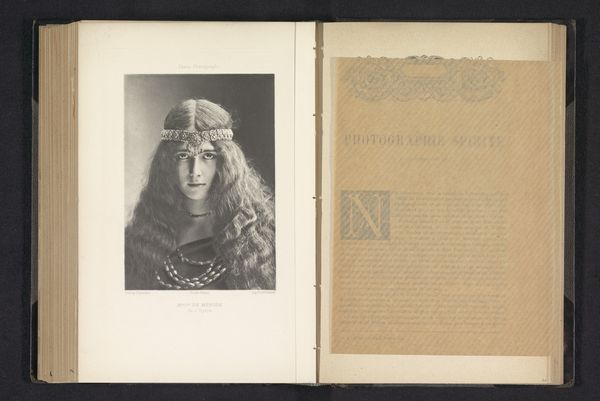
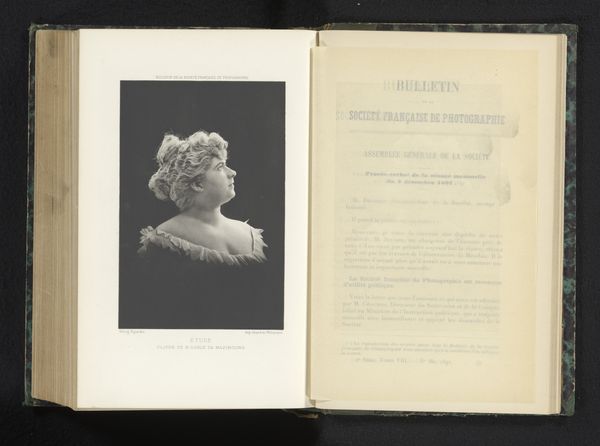
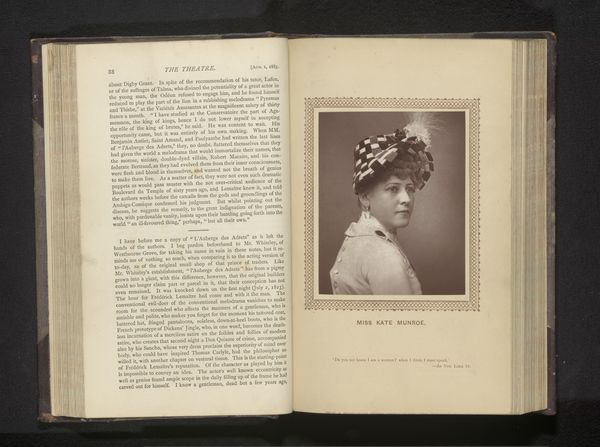
This photographic portrait of Louise Bignon was made by Nadar in France, sometime in the mid-to-late 19th century. Nadar was part of a group of artists who saw the potential of photography as an artistic medium, and his portraits were often celebrated for their psychological depth and expressiveness. Consider the position of women in 19th century France, who were often excluded from the public sphere, and consider the institutions of art, which traditionally prioritized male artists and subjects. Nadar's portrait challenges these norms by presenting a woman as a powerful and self-possessed individual. The soft lighting and focus on Bignon's face create an intimate and engaging image, and the loose hair and casual dress further emphasize her independence and unconventionality. To better understand Nadar's work, we can look at his other portraits, writings, and the critical reception of his work, as well as the broader social and cultural context in which he was working. Through this research, we can gain a deeper appreciation of the role of photography in shaping modern identity and culture.