About this artwork
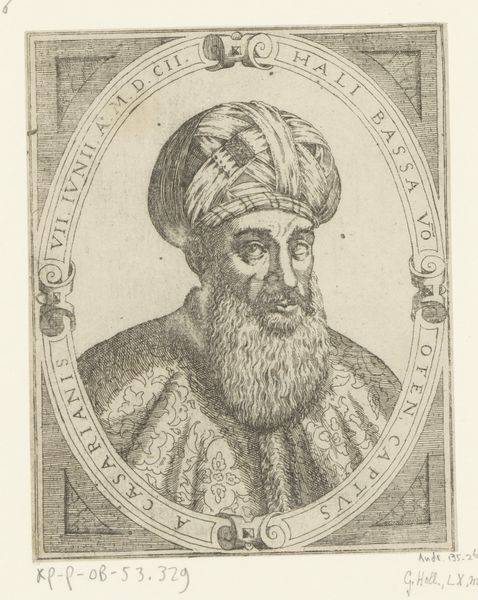
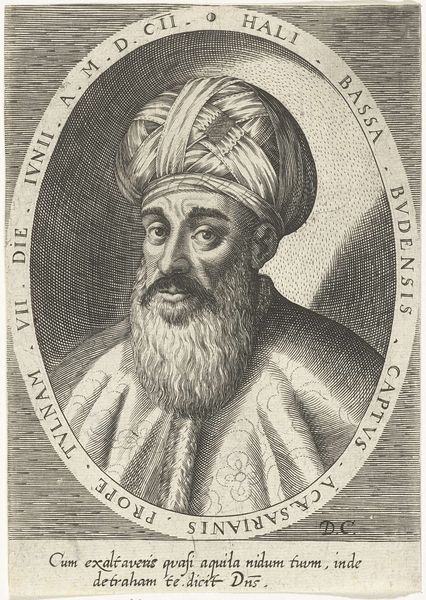
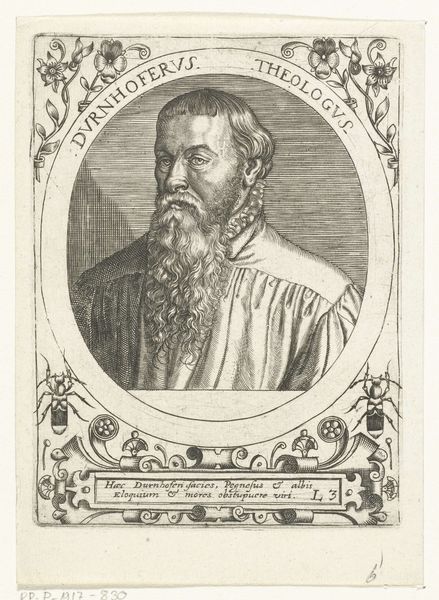
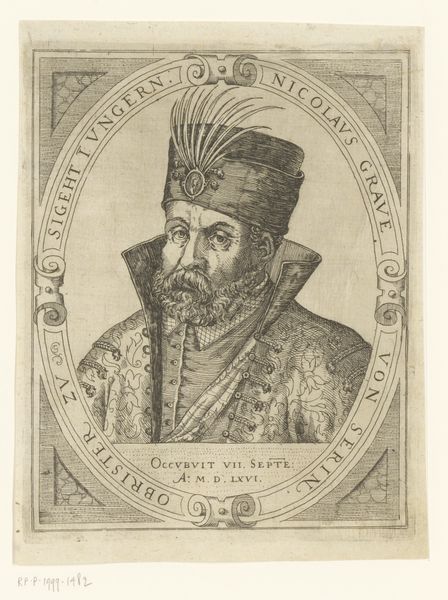
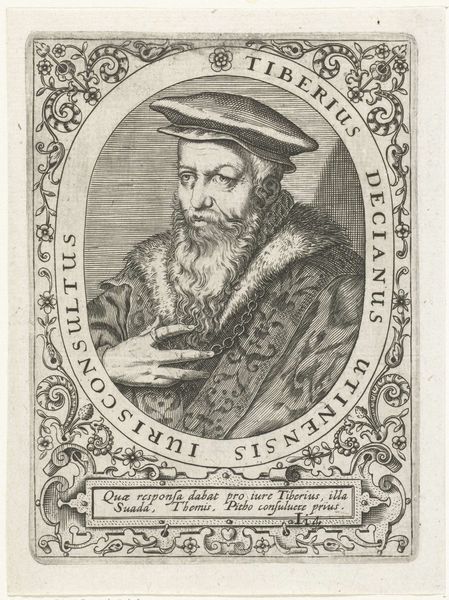
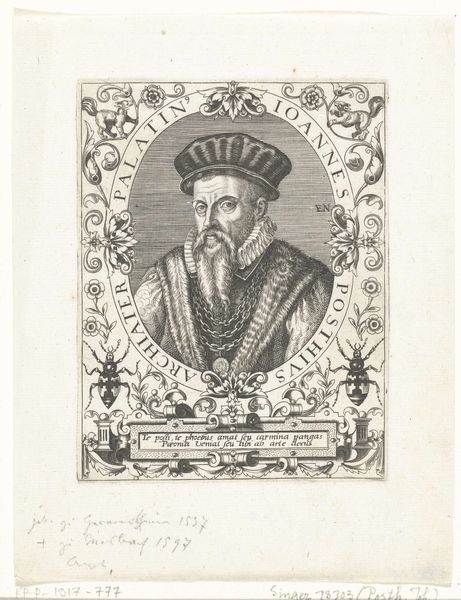
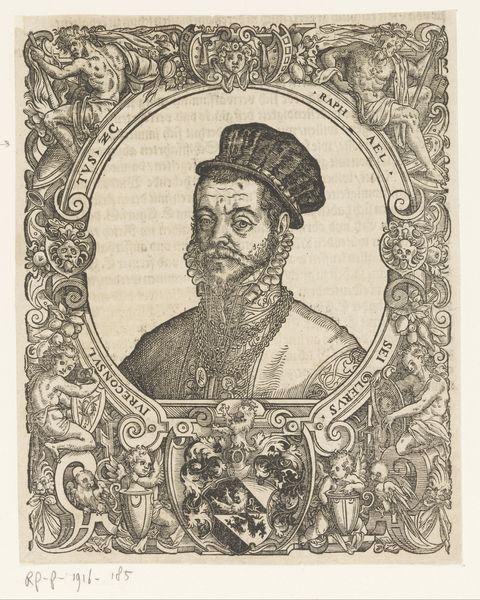
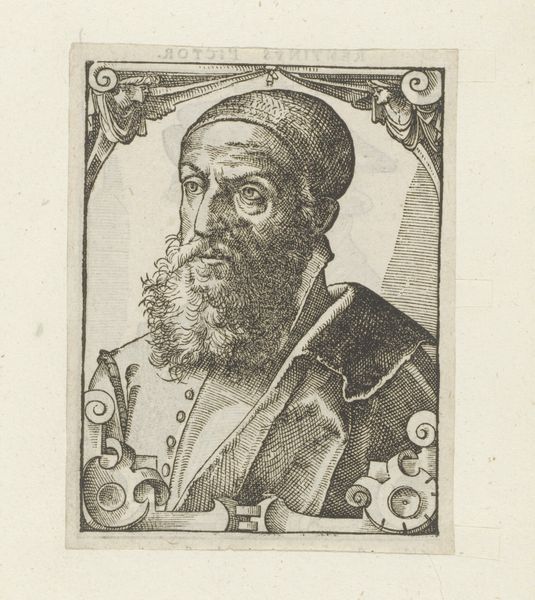
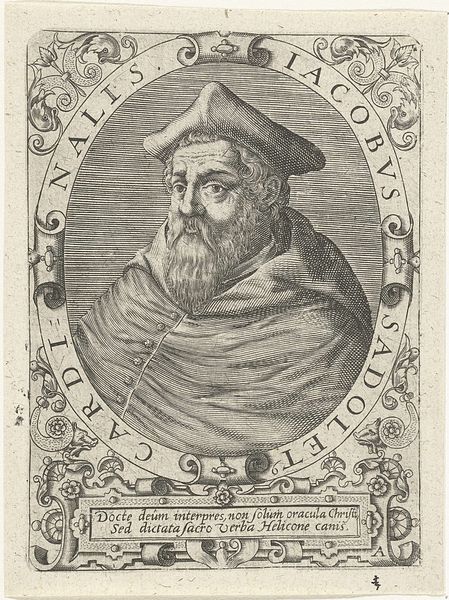
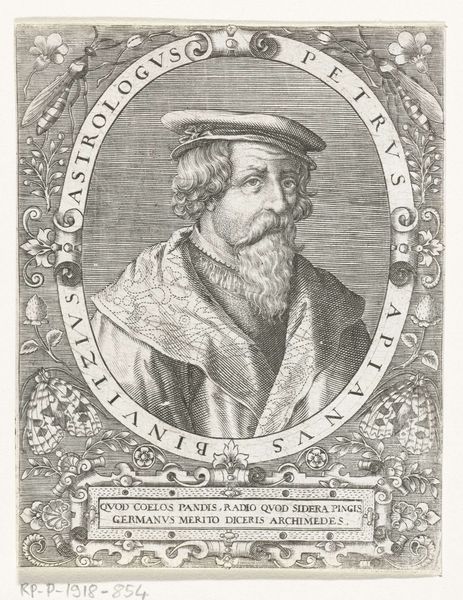
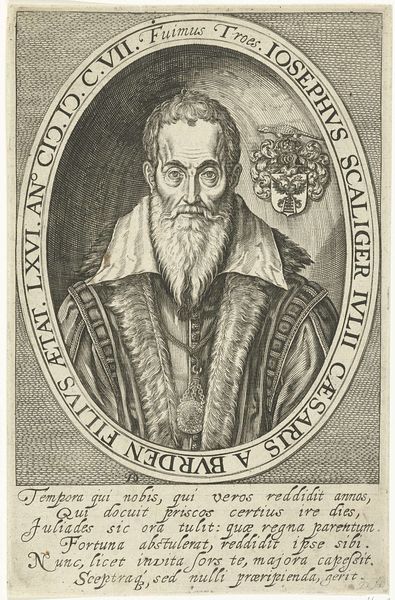
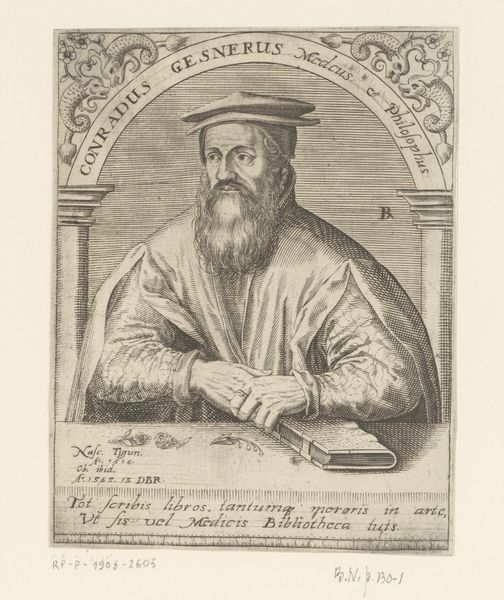
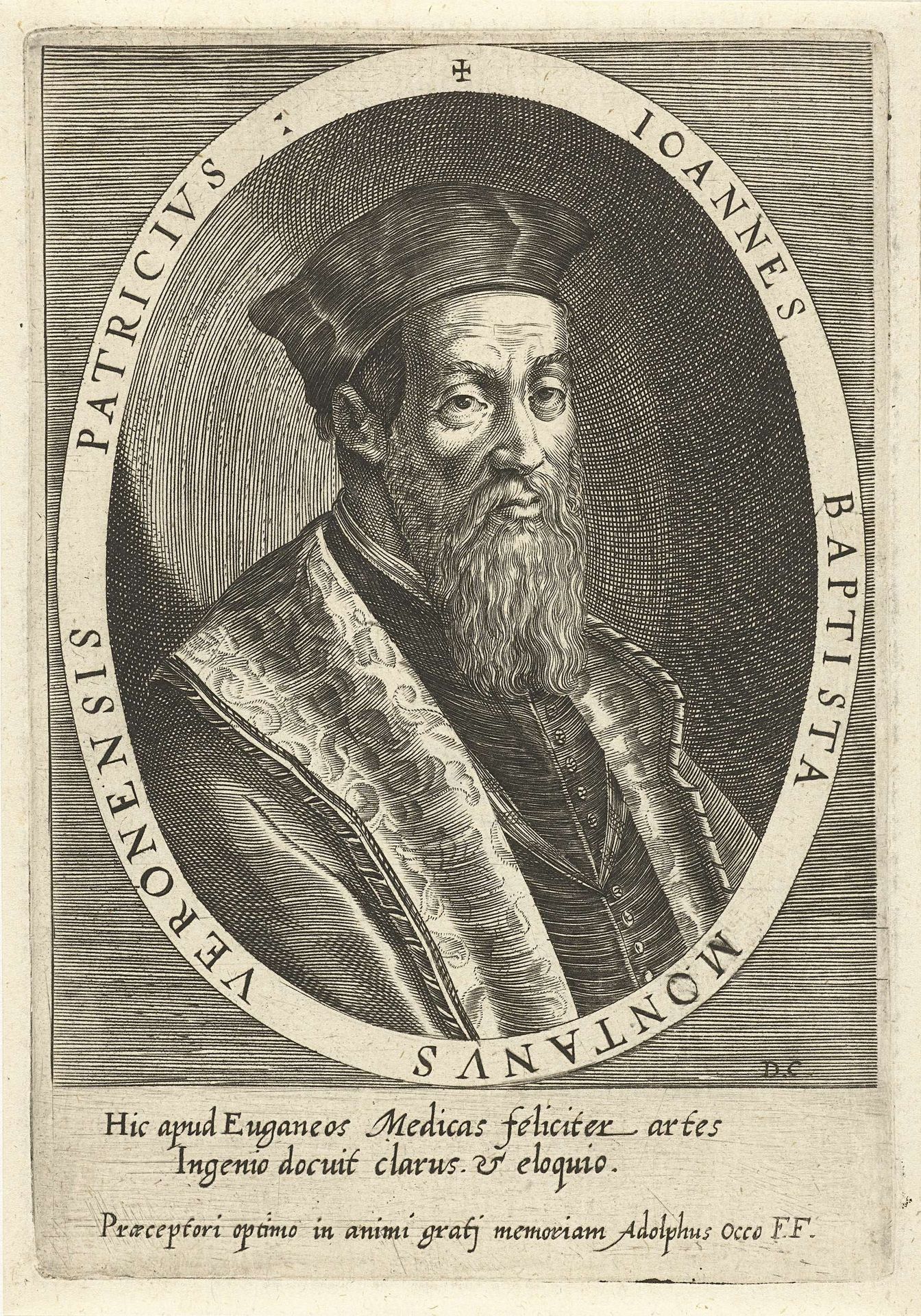
Dominicus Custos made this portrait of Johannes Baptista Montanus using engraving, a printmaking technique dating back to the 15th century. The image is made by carefully cutting lines into a metal plate, inking the surface, and then pressing paper against it. The lines that were cut into the metal retain the ink, creating the image you see. The fineness of the lines suggests the use of a tool called a burin, which requires immense skill to manipulate with precision. See how Custos varies the density of the lines to create tone, and how he describes the texture of Montanus's beard and clothing. Printmaking like this was essential to the spread of knowledge in the early modern period, making images like this relatively accessible. In considering this portrait, it's important to remember the crucial role of skilled labor and material processes in disseminating knowledge and shaping cultural values. The relative ease of reproduction allowed such images to reach a wide audience, and they served as powerful tools for shaping public perception.
Portret van de arts Johannes Baptista Montanus
1579 - 1615

Dominicus Custos
1560 - 1615Location
RijksmuseumArtwork details
- Medium
- paper, engraving
- Dimensions
- height 165 mm, width 114 mm
- Location
- Rijksmuseum
- Copyright
- Rijks Museum: Open Domain
Tags
Comments
Share your thoughts
About this artwork
Dominicus Custos made this portrait of Johannes Baptista Montanus using engraving, a printmaking technique dating back to the 15th century. The image is made by carefully cutting lines into a metal plate, inking the surface, and then pressing paper against it. The lines that were cut into the metal retain the ink, creating the image you see. The fineness of the lines suggests the use of a tool called a burin, which requires immense skill to manipulate with precision. See how Custos varies the density of the lines to create tone, and how he describes the texture of Montanus's beard and clothing. Printmaking like this was essential to the spread of knowledge in the early modern period, making images like this relatively accessible. In considering this portrait, it's important to remember the crucial role of skilled labor and material processes in disseminating knowledge and shaping cultural values. The relative ease of reproduction allowed such images to reach a wide audience, and they served as powerful tools for shaping public perception.
Comments
Share your thoughts