1764
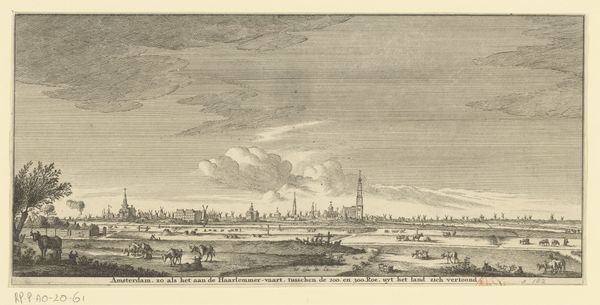
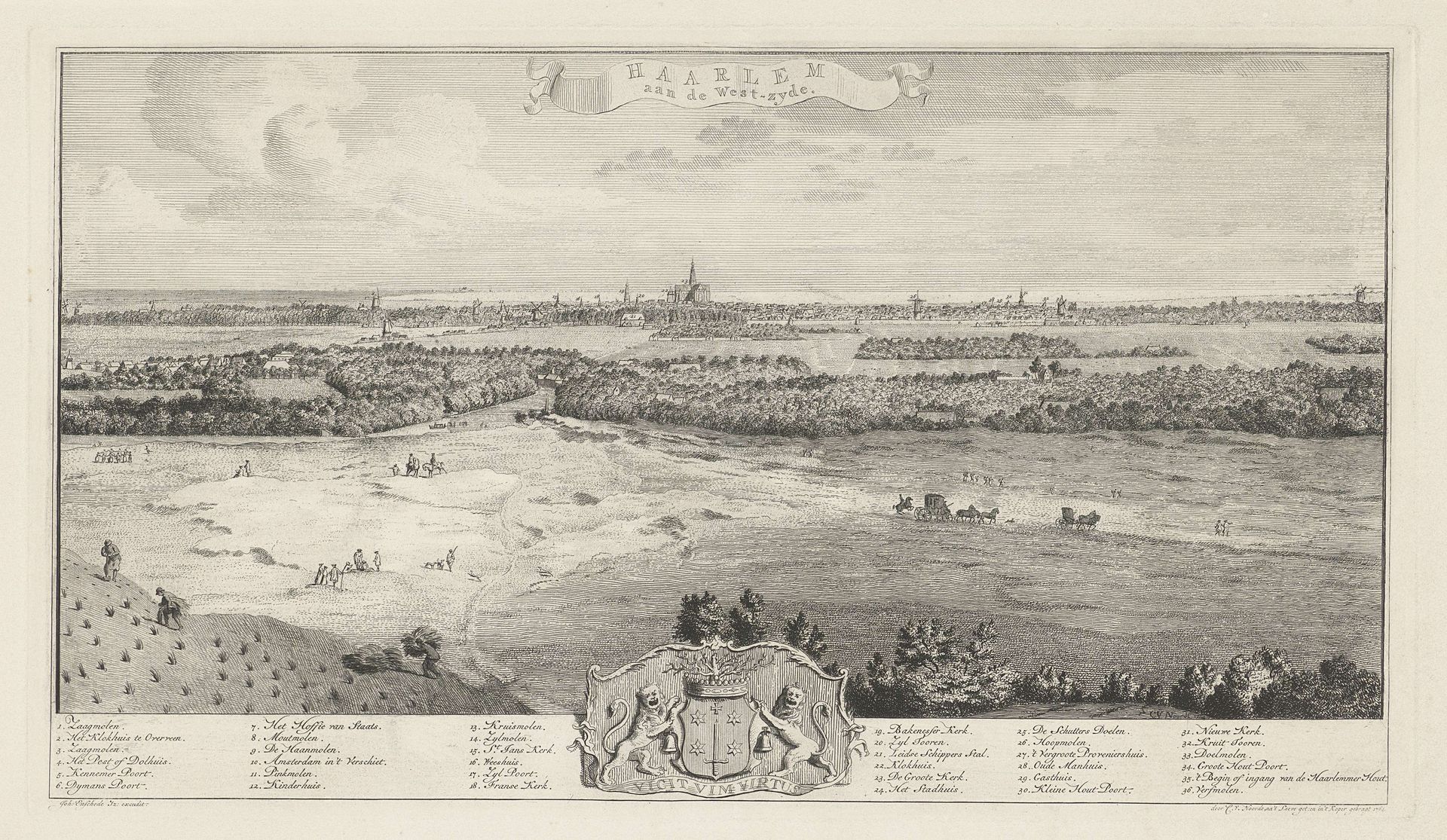
Gezicht op Haarlem

Cornelis van Noorde
1731 - 1795Location
RijksmuseumListen to curator's interpretation
Curatorial notes
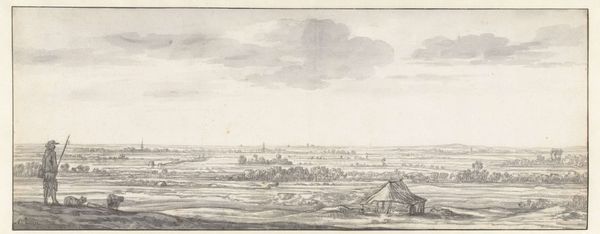
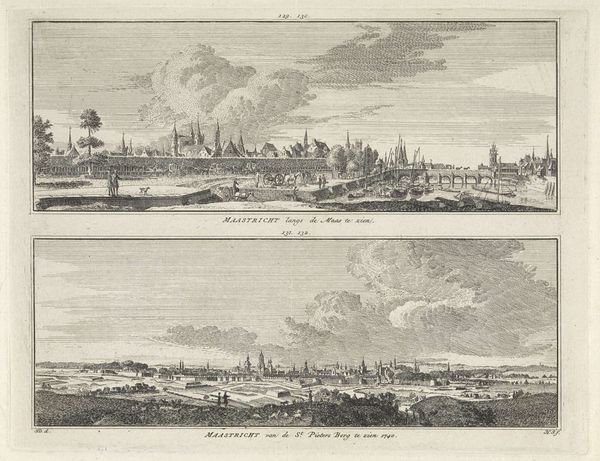
Editor: This print, "Gezicht op Haarlem," made in 1764 by Cornelis van Noorde, is incredibly detailed. It depicts a distant view of Haarlem. I find it fascinating how it blends the vast landscape with glimpses of daily life. What underlying messages might be hidden in the serene appearance of the cityscape? Curator: This piece provides an opportunity to investigate the narratives surrounding landscape art of the Dutch Golden Age. It’s important to remember that landscapes weren't just innocent depictions of scenery; they were deeply intertwined with ideas of national identity, ownership, and even colonialism. What stories do you think this seemingly peaceful vista might be obscuring? Editor: That's a really interesting point. I hadn’t considered the idea of hidden narratives within the landscape. So, the order of the day would’ve consisted of land and labour appropriation. Were images such as this also a kind of soft power? Curator: Exactly. Consider the social and economic hierarchies embedded in the scene. The cultivated lands, the city itself – who benefits from this prosperity? Who is absent or marginalized in this picturesque view? Think about the labor that shaped this landscape, perhaps unacknowledged in its representation. This isn't just a pretty picture; it's a statement about power, place, and belonging in 18th-century Netherlands. Can we still see its lasting legacy reflected in modern society? Editor: Thinking about it that way completely changes my perspective. I guess I saw it as just a historical landscape, but now I recognize the layers of meaning that reflect on issues of class, labor and societal narratives of the time. Thank you. Curator: I hope that analysing the intersection of historical context and artistic representation brings these essential perspectives to how we reflect on such cultural artworks.