About this artwork
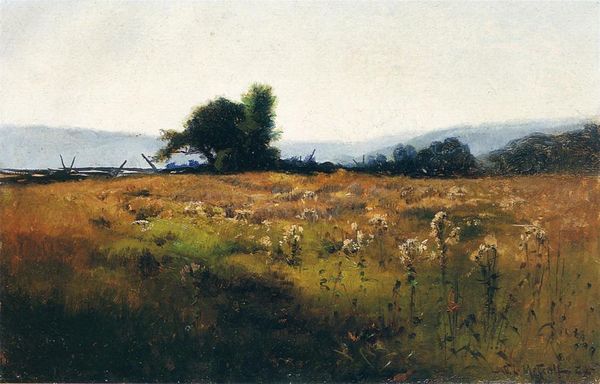
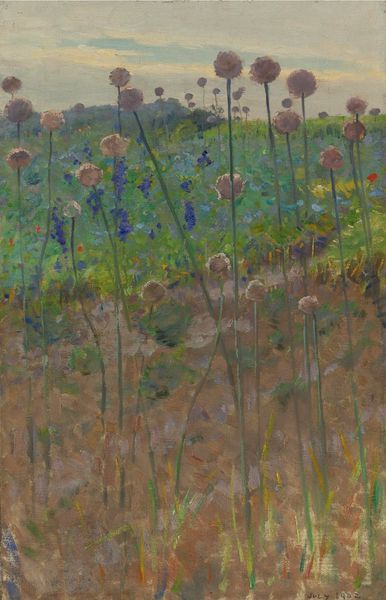
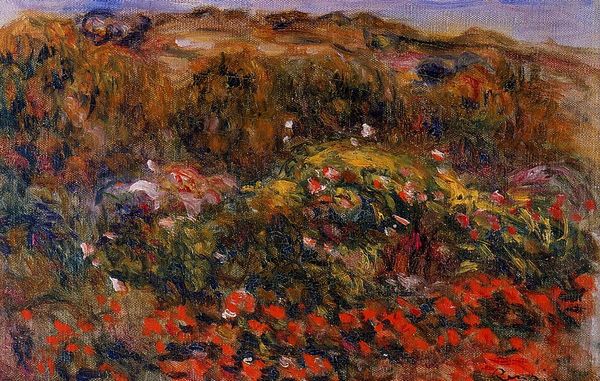
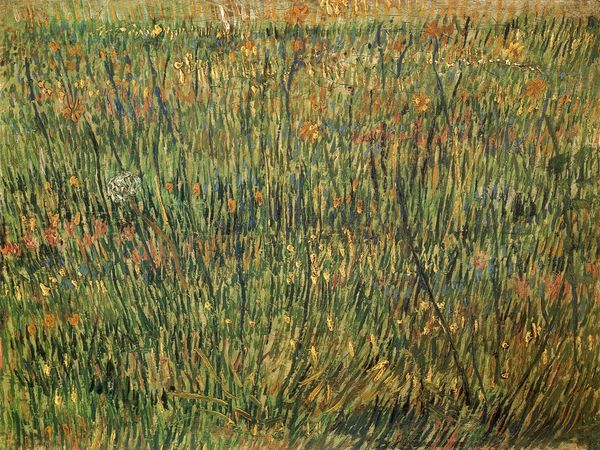
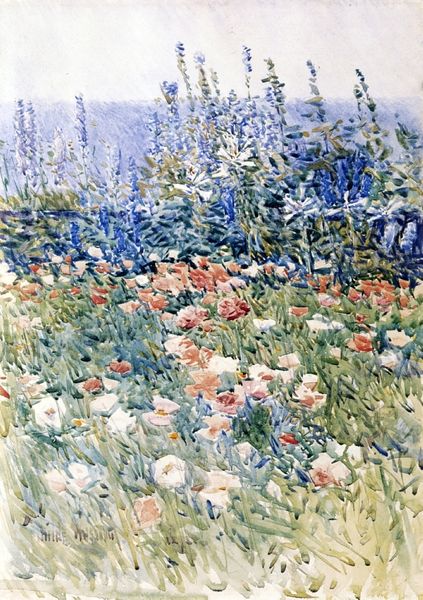
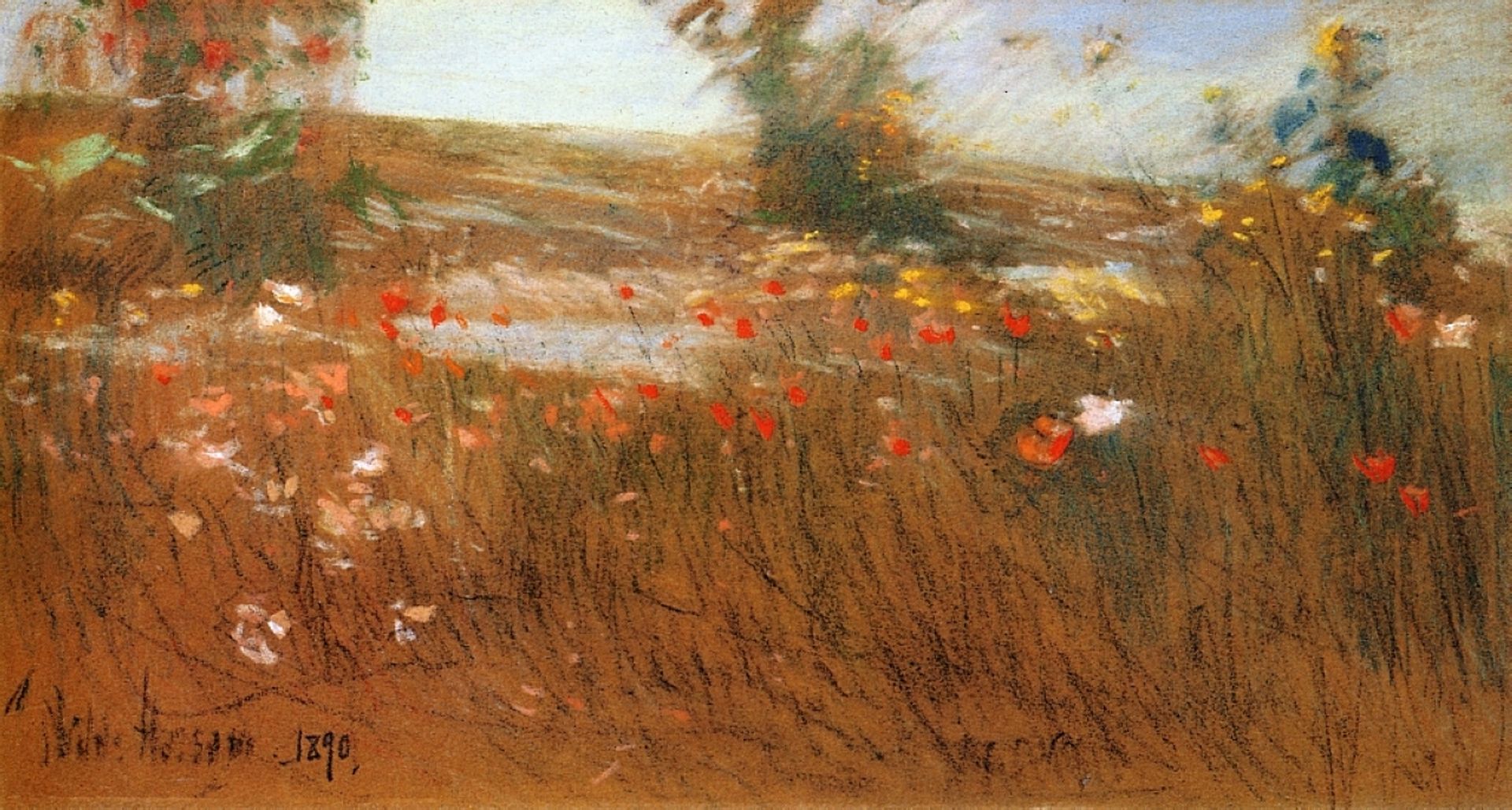
Childe Hassam created "Poppies, Isles of Shoals" in 1890, a pastel drawing with a loose and lively composition. The artist created a field of poppies using short, broken strokes of color which create a vibrant and shimmering effect. The structure relies on the contrast between the foreground, dominated by warm browns and reds, and the cooler tones of the sky in the background. The composition is not about precise representation but more about the impression of light and color. Hassam uses the pastel medium to create a sense of immediacy and spontaneity. This piece reveals Impressionism’s break from traditional academic painting towards capturing fleeting moments and subjective perceptions. Hassam destabilizes established conventions by focusing on the sensory experience of the landscape rather than its detailed depiction. He is inviting us to engage with the artwork on an emotional and sensory level, and to find beauty in the transient effects of light and color.

Artwork details
- Medium
- plein-air, pastel
- Copyright
- Public domain
Tags
impressionism
plein-air
landscape
flower
impressionist landscape
pastel
Comments
Be the first to share your thoughts about this work.
About this artwork
Childe Hassam created "Poppies, Isles of Shoals" in 1890, a pastel drawing with a loose and lively composition. The artist created a field of poppies using short, broken strokes of color which create a vibrant and shimmering effect. The structure relies on the contrast between the foreground, dominated by warm browns and reds, and the cooler tones of the sky in the background. The composition is not about precise representation but more about the impression of light and color. Hassam uses the pastel medium to create a sense of immediacy and spontaneity. This piece reveals Impressionism’s break from traditional academic painting towards capturing fleeting moments and subjective perceptions. Hassam destabilizes established conventions by focusing on the sensory experience of the landscape rather than its detailed depiction. He is inviting us to engage with the artwork on an emotional and sensory level, and to find beauty in the transient effects of light and color.
Comments
Be the first to share your thoughts about this work.