painting
#
portrait
#
baroque
#
face
#
portrait
#
painting
#
figuration
#
portrait reference
#
portrait head and shoulder
#
animal drawing portrait
#
portrait drawing
#
facial study
#
history-painting
#
facial portrait
#
lady
#
portrait art
#
female-portraits
#
fine art portrait
#
digital portrait
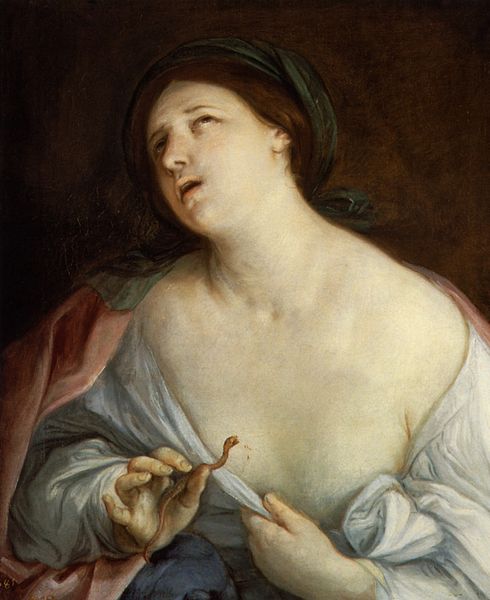
Dimensions: 74 x 58 cm
Copyright: Public domain
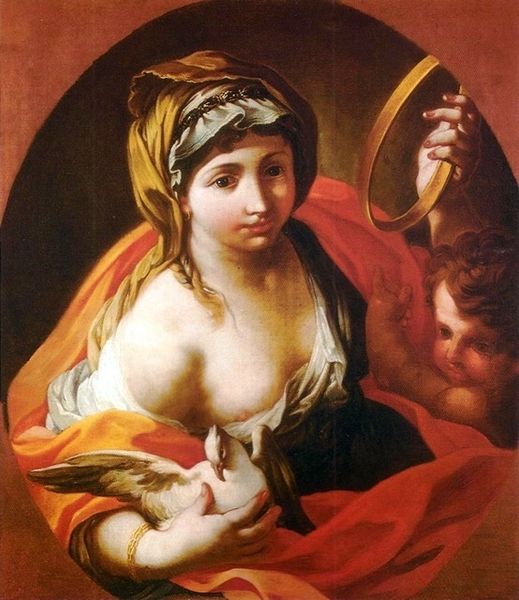
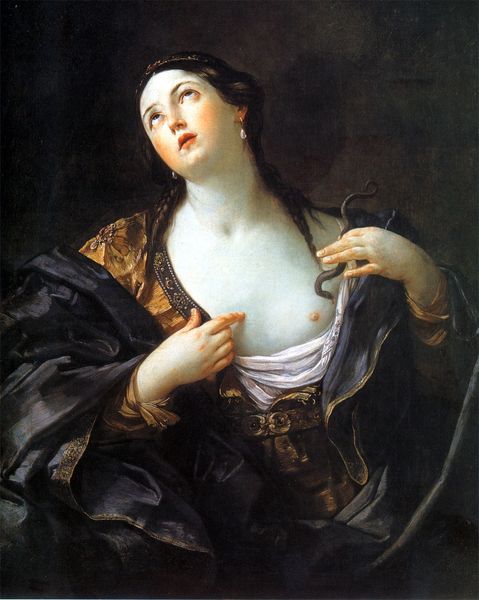
Editor: Here we have Guido Reni's "Sibylle," painted in 1636. The muted palette and the upward gaze create a contemplative, almost ethereal mood for me. I’m curious, what really captures your attention when you look at this painting? Curator: You know, it's funny, Sibylle's yearning gaze takes me back to my own teenage angst, staring at the ceiling wondering when my life would truly begin! Beyond the personal echoes, I am immediately drawn to the theatrical Baroque drama in play: Look at the contrast between the dark backdrop and the luminosity of her skin! It is almost as if she is emerging from darkness into light. Don't you think it's a very intimate yet performative gesture at once? Editor: I do, it’s like she's caught between worlds. That turban, though – it's not exactly typical, is it? Curator: True! That exotic touch speaks to the 17th century's fascination with the "Orient," filtered through a European lens. Perhaps Reni uses the turban to emphasize her otherworldly or prophetic connection to something that goes beyond a simple portrait of a noble lady... what do you think about her hands position and gesture? Is there any symbolic message within it? Editor: I think they’re positioned to look like they’re awaiting something, a gift maybe. Thinking about the title, Sibyls were known to make prophecies. Maybe Reni wanted to highlight that she's expecting a revelation. Curator: Ah, I love that! Awaiting revelation... exactly! A single figure that allows us to grasp how much we long for guidance, for meaning, back then as now. It also emphasizes her femininity, almost echoing, in a subtle manner, some of the greatest Renaissance Madonnas. The old masters never cease to amaze me with their layered narratives, even in a simple portrait. What did you make of it all? Editor: That even seemingly straightforward portraits like this can contain whole universes of meaning. It inspires me to dig deeper next time!
Comments
No comments
Be the first to comment and join the conversation on the ultimate creative platform.
 Collect
 React
React Comment
More like this