1632
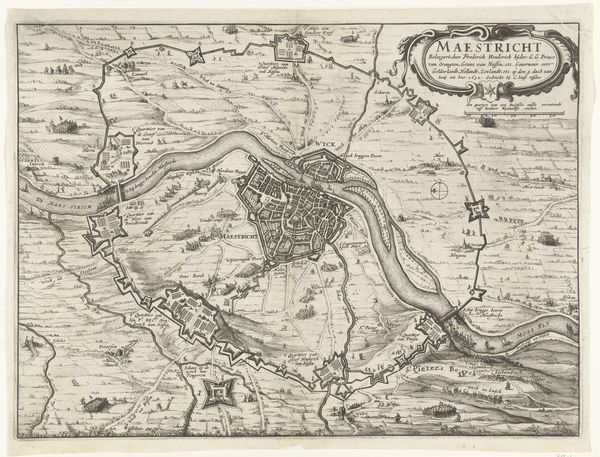
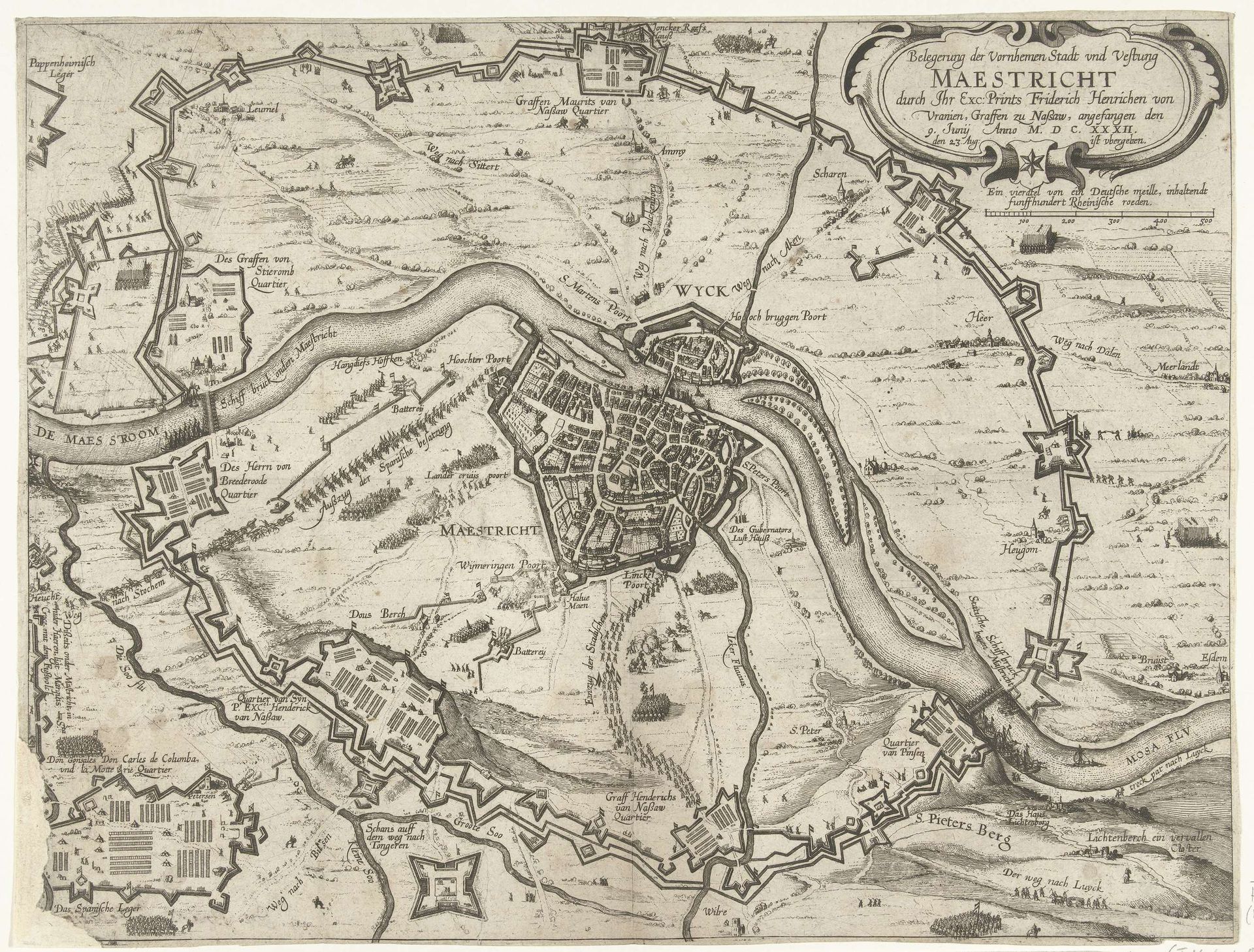
Belegering van Maastricht, 1632

Wenceslaus Hollar
1607 - 1677Location
RijksmuseumListen to curator's interpretation
Curatorial notes
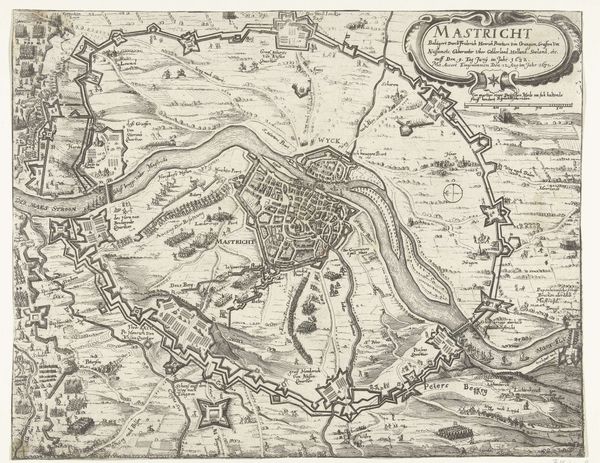
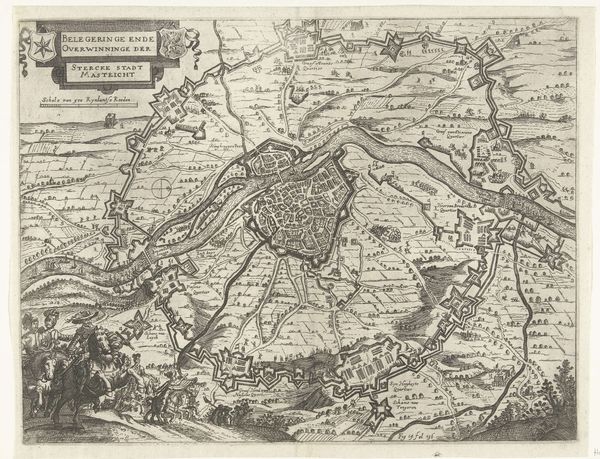
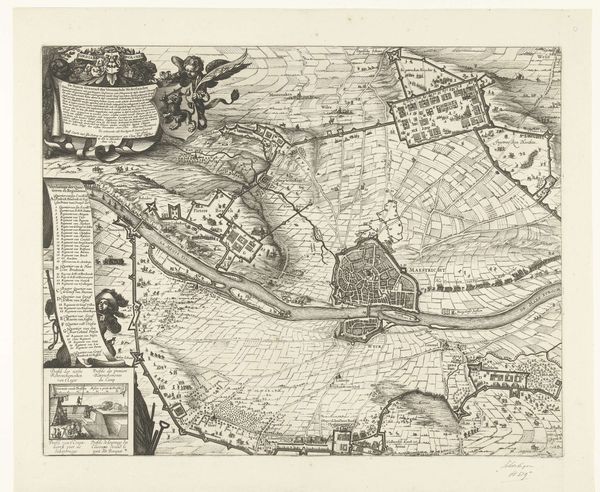
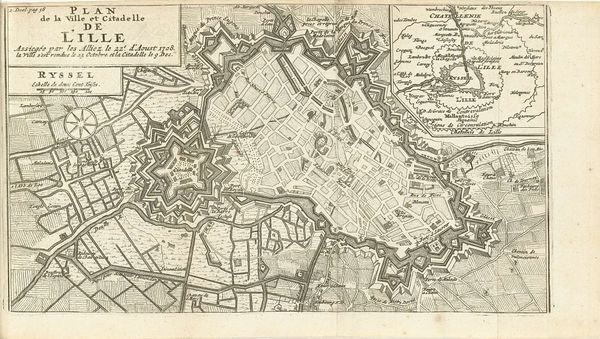
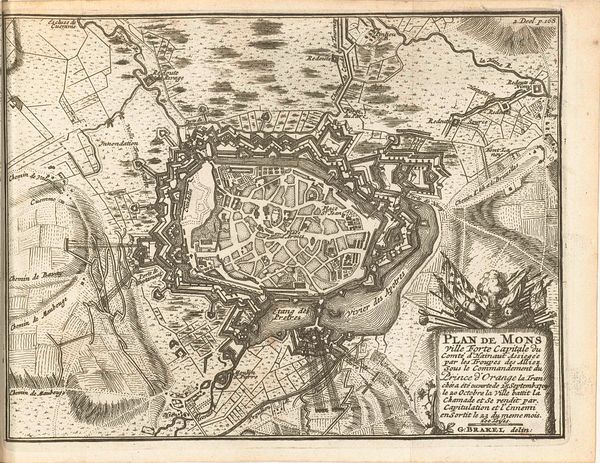
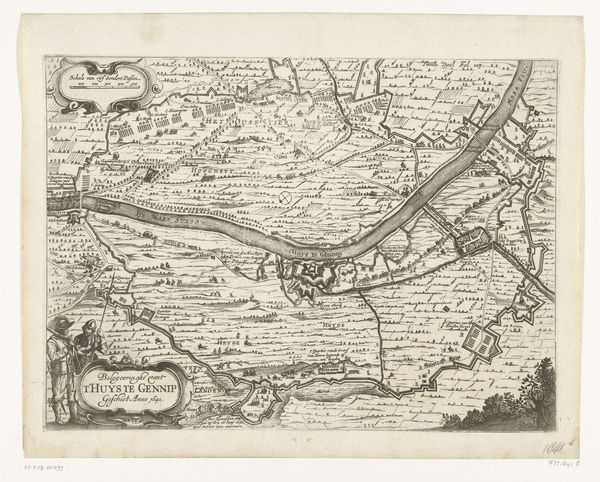
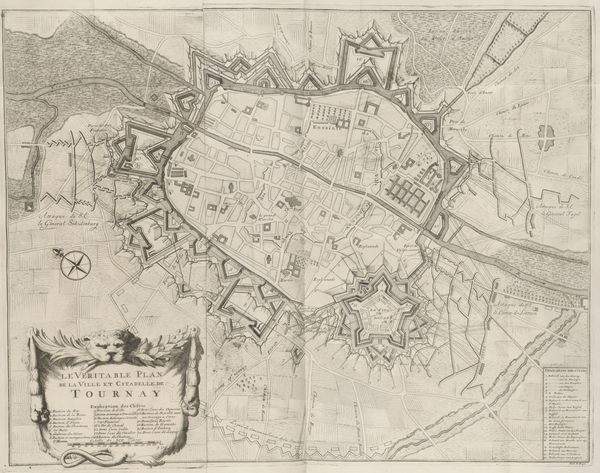
Wenceslaus Hollar etched this depiction of the Siege of Maastricht in 1632, showcasing the city's fortifications. Dominating the visual field are the intricate, star-shaped fortress walls, symbols of protection and power. These fortifications aren't merely architectural; they echo the human desire for security. Consider how the motif of protective walls appears throughout history, from the walls of Jericho to the Great Wall of China. Each iteration reveals not only evolving technologies but also our primal fears and the psychological need to safeguard our communities. In the collective memory, the image of a besieged city evokes feelings of vulnerability and resistance. The star-shaped design is a fascinating evolution, intended to deflect cannon fire, yet it also represents a complex dance between defense and aggression. It embodies a culture's subconscious anxieties and aspirations for invincibility. These walls, though built of stone, resonate with deep-seated human emotions, engaging us on a subconscious level. The non-linear journey of this symbol, from ancient ramparts to modern military architecture, highlights how the past continually reshapes our present.