About this artwork
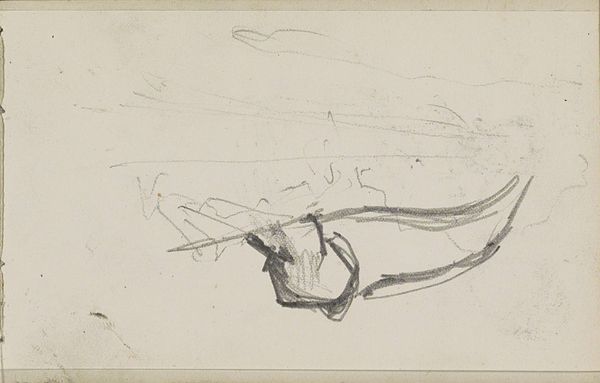
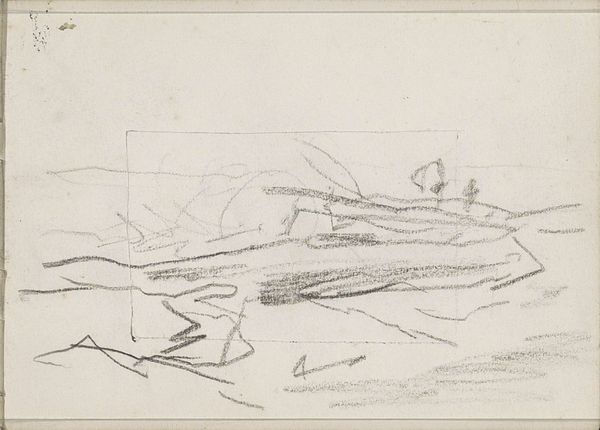
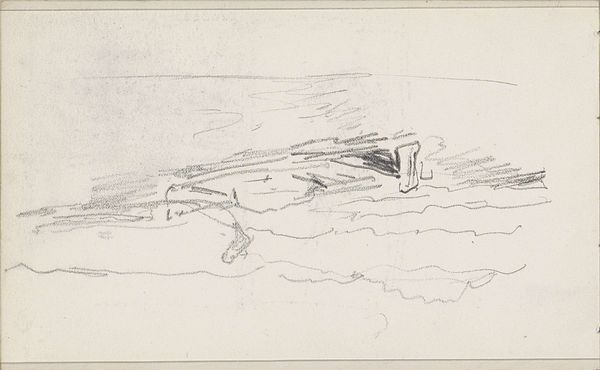
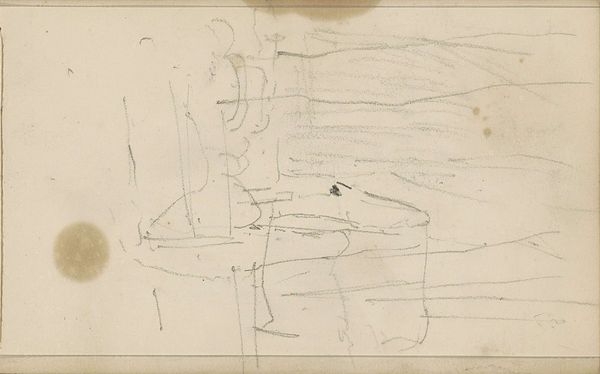
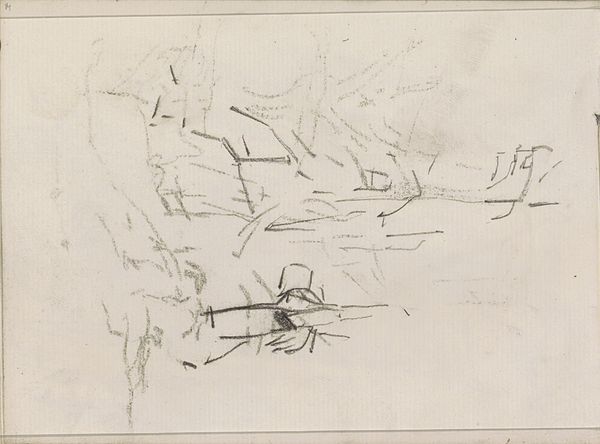
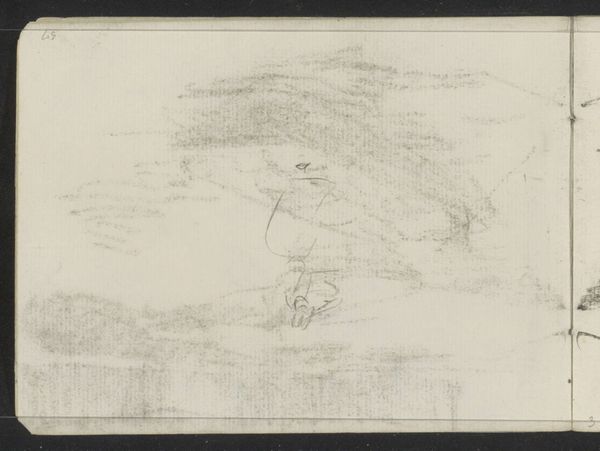
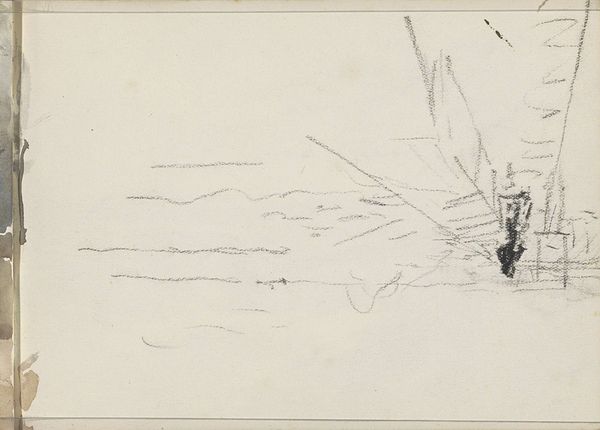
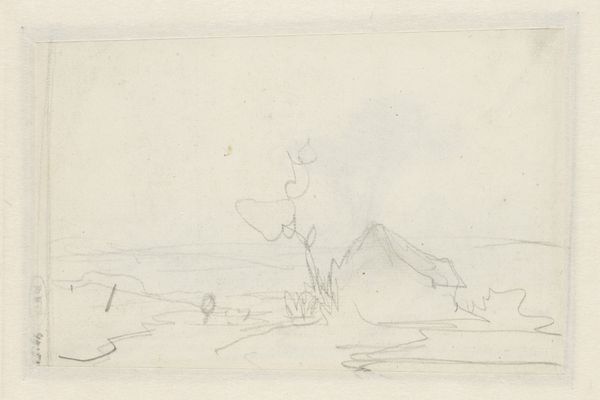
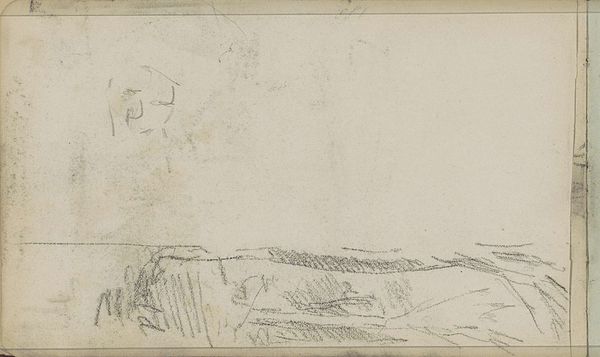
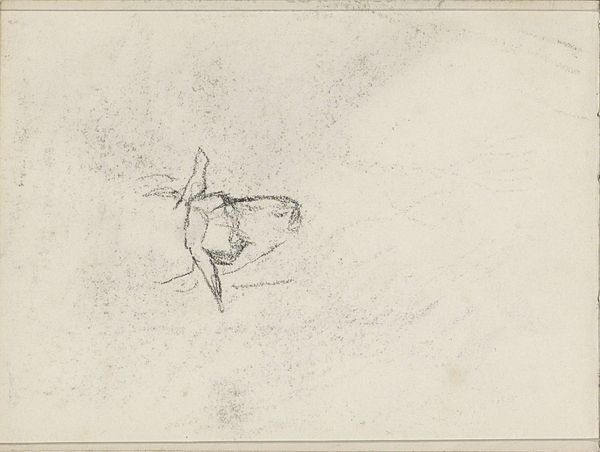
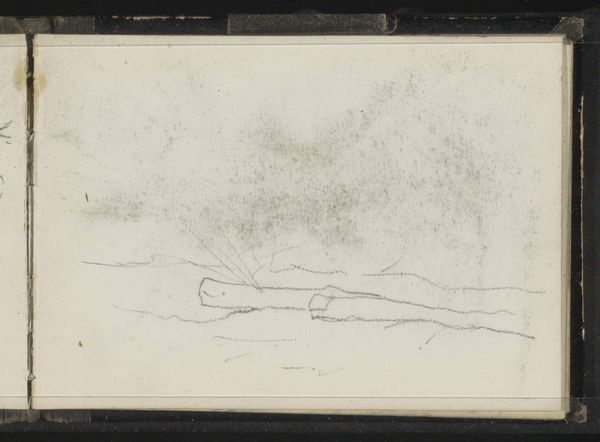
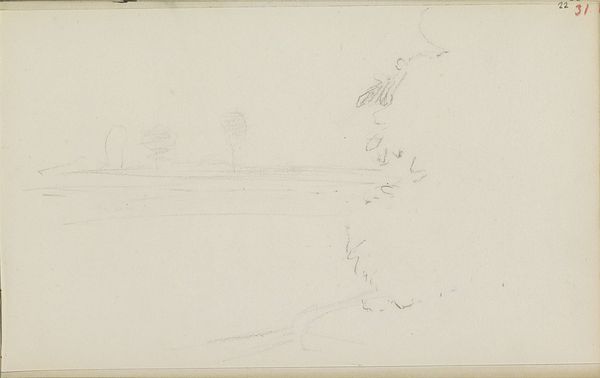
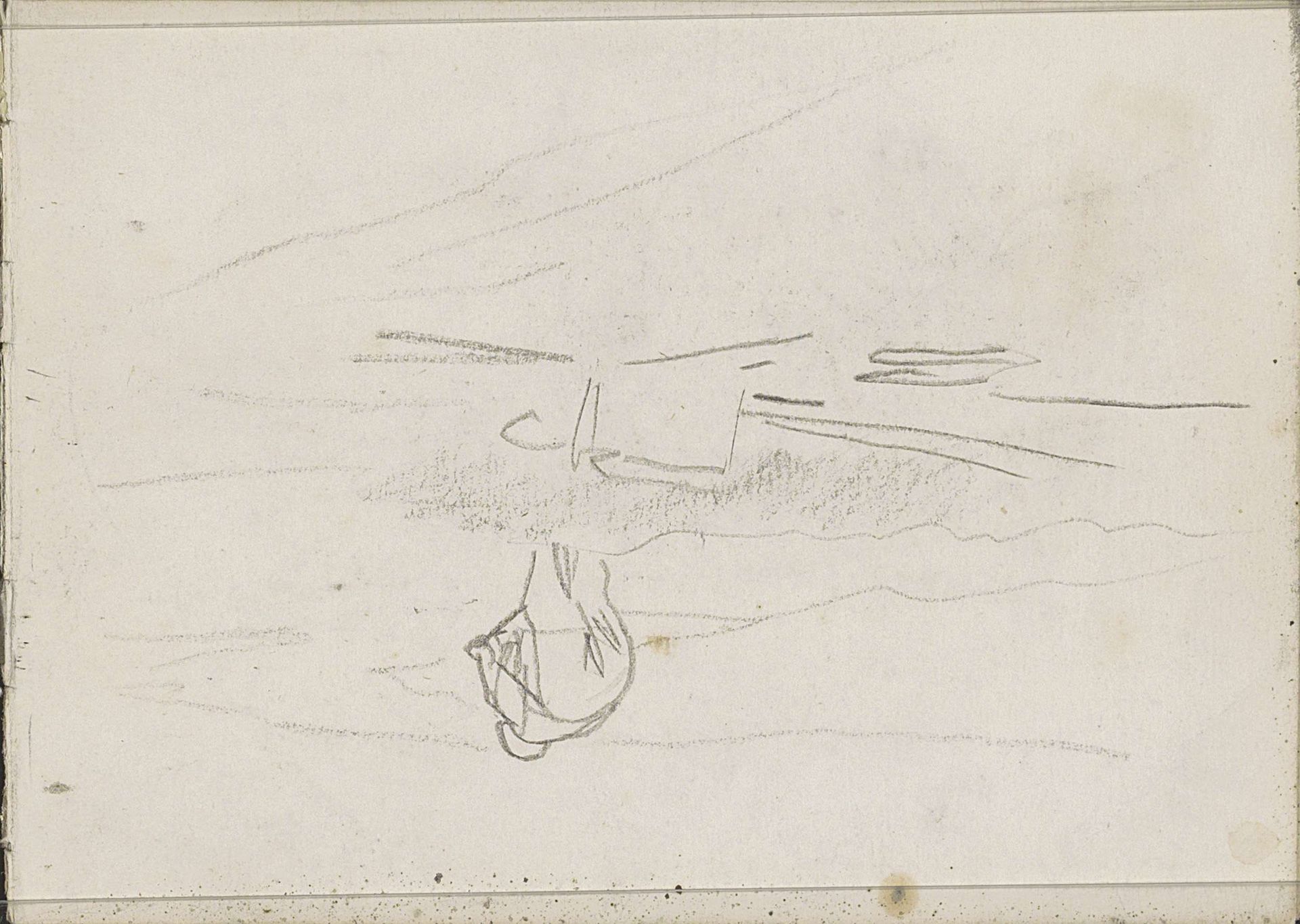
This drawing by Anton Mauve presents us with a figure in a landscape, bent low. The act of bowing carries a rich symbolic weight, embodying deference, respect, or even submission. Consider how this gesture appears across time. In ancient Egyptian art, we find figures prostrating themselves before pharaohs, a display of their divine status. Similarly, the bowing figure is a staple in religious iconography, seen in depictions of worshippers before deities. The gesture transcends mere physical action, becoming a powerful expression of inner reverence and cultural hierarchy. Perhaps Mauve was subconsciously tapping into this collective memory. The stooping figure, rendered with such simplicity, evokes an emotional response, a sense of humility before the vastness of nature. This potent symbol resurfaces, not merely repeated, but imbued with new significance in each context.

Artwork details
- Medium
- drawing, pencil
- Location
- Rijksmuseum
- Copyright
- Rijks Museum: Open Domain
Tags
Comments
Share your thoughts
About this artwork
This drawing by Anton Mauve presents us with a figure in a landscape, bent low. The act of bowing carries a rich symbolic weight, embodying deference, respect, or even submission. Consider how this gesture appears across time. In ancient Egyptian art, we find figures prostrating themselves before pharaohs, a display of their divine status. Similarly, the bowing figure is a staple in religious iconography, seen in depictions of worshippers before deities. The gesture transcends mere physical action, becoming a powerful expression of inner reverence and cultural hierarchy. Perhaps Mauve was subconsciously tapping into this collective memory. The stooping figure, rendered with such simplicity, evokes an emotional response, a sense of humility before the vastness of nature. This potent symbol resurfaces, not merely repeated, but imbued with new significance in each context.
Comments
Share your thoughts