1810
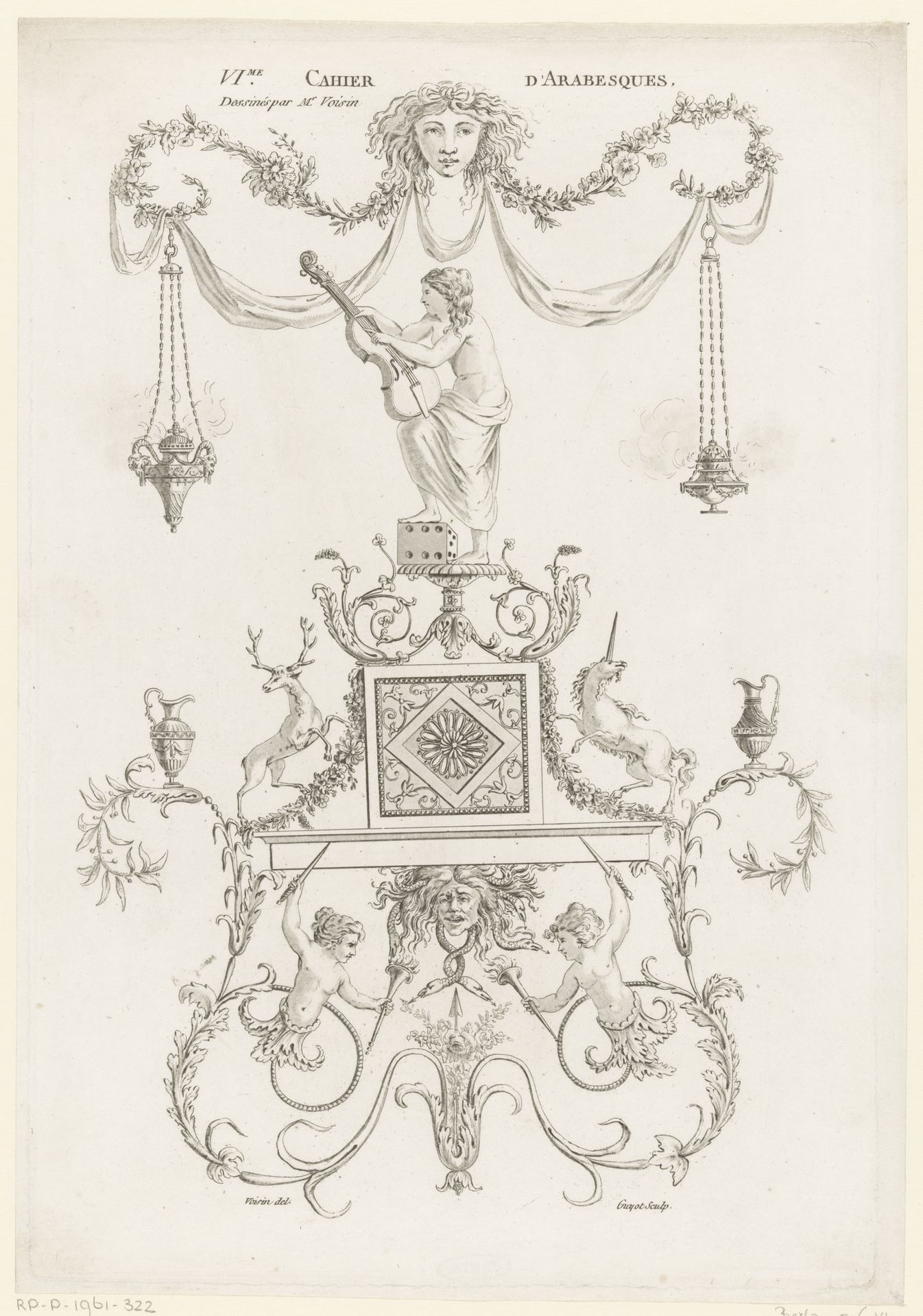
Arabesken en vrouw met snaarinstrument

Laurent Guyot
1756Location
RijksmuseumListen to curator's interpretation
Curatorial notes
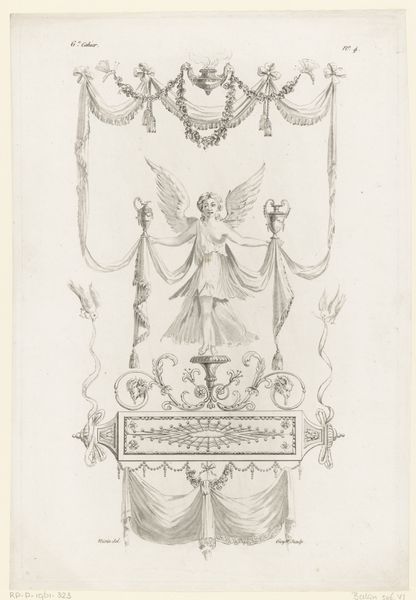
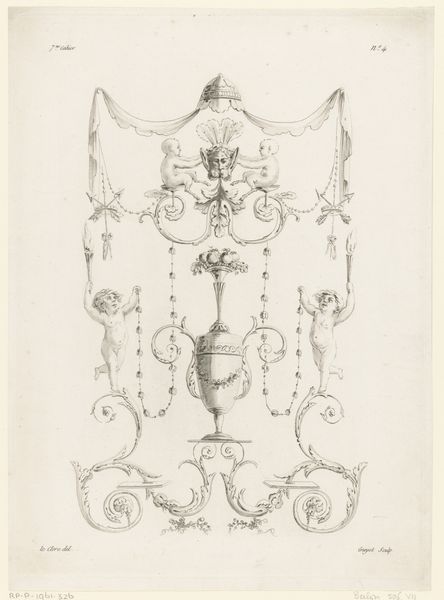
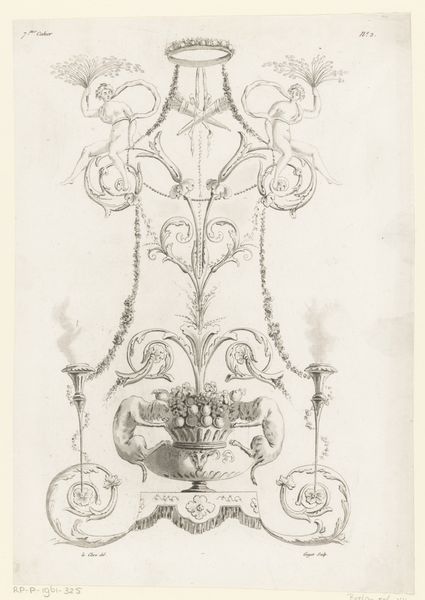
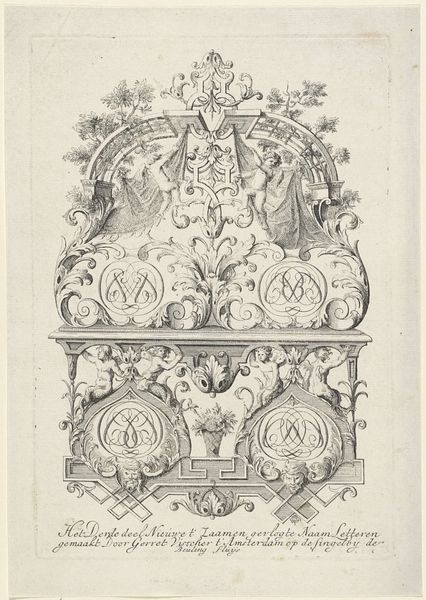
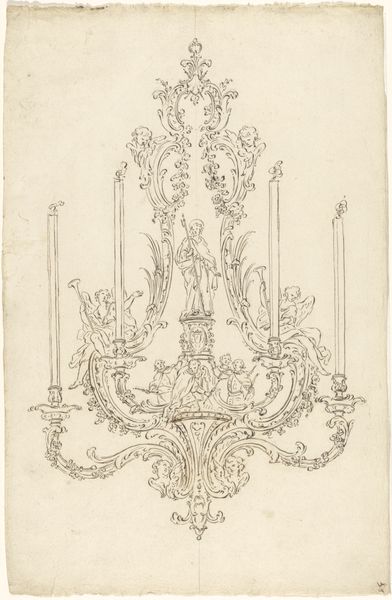
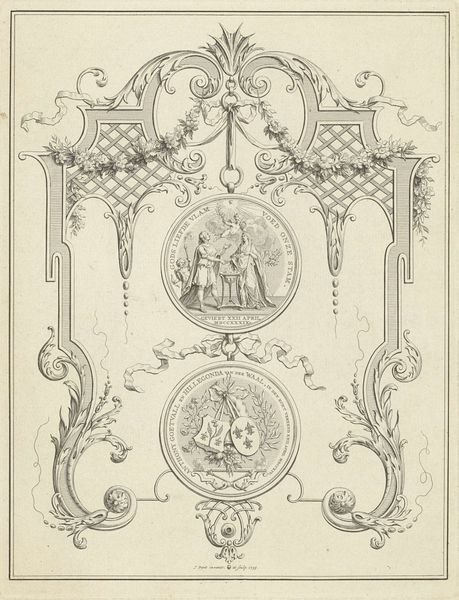
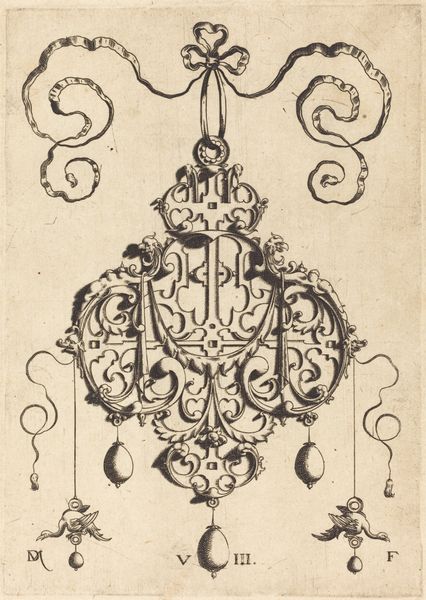
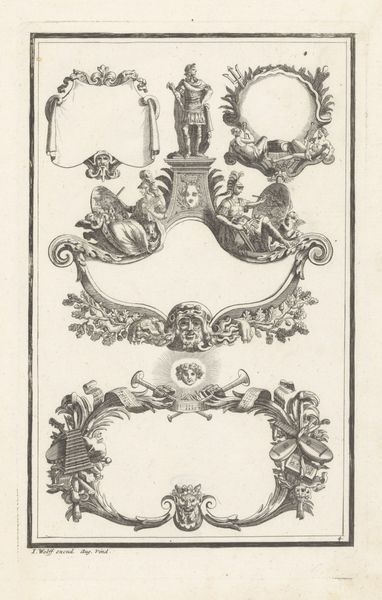
Laurent Guyot etched this delicate Arabesque design during the late 18th century. We find a captivating array of motifs: garlands of flowers, mythical creatures, and human figures, all intricately intertwined. At the top, a woman’s face emerges from floral garlands, reminiscent of ancient Roman friezes. This motif evolved from pagan celebrations of nature, later adopted into Christian art as symbols of rebirth and renewal. A woman plays a stringed instrument. Note how the unicorn appears alongside the deer, symbols of purity and the hunt, respectively. These contrasting yet complementary figures reflect the duality inherent in the human psyche, a tension between innocence and desire. Consider the recurring motif of the mask, a theatrical device used since antiquity. Here, masks with grotesque features appear, echoing the Dionysian festivals of ancient Greece, where masks allowed for the temporary suspension of social norms, releasing primal emotions. Such imagery, passed down through generations, affects us on a subconscious level. The resurgence of these symbols throughout history speaks to their enduring power, constantly reappearing in new forms.