1701 - 1759
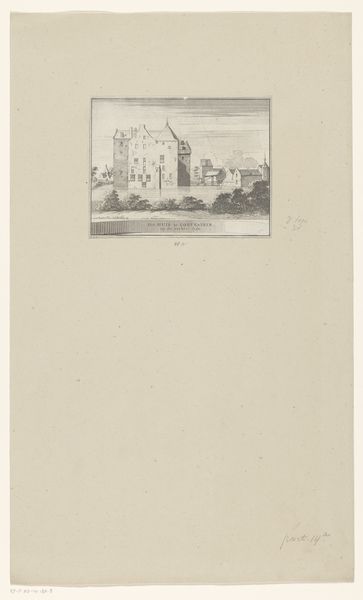
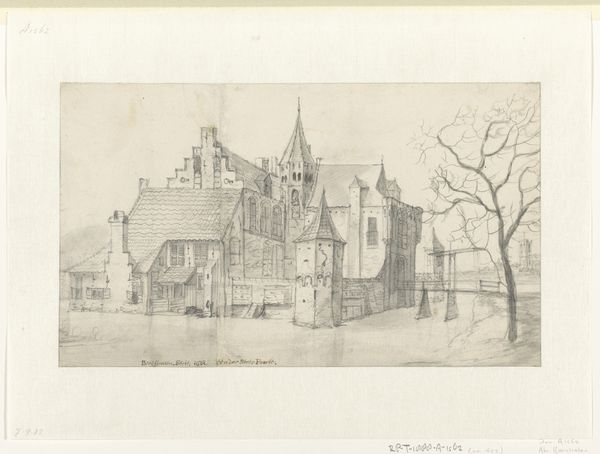
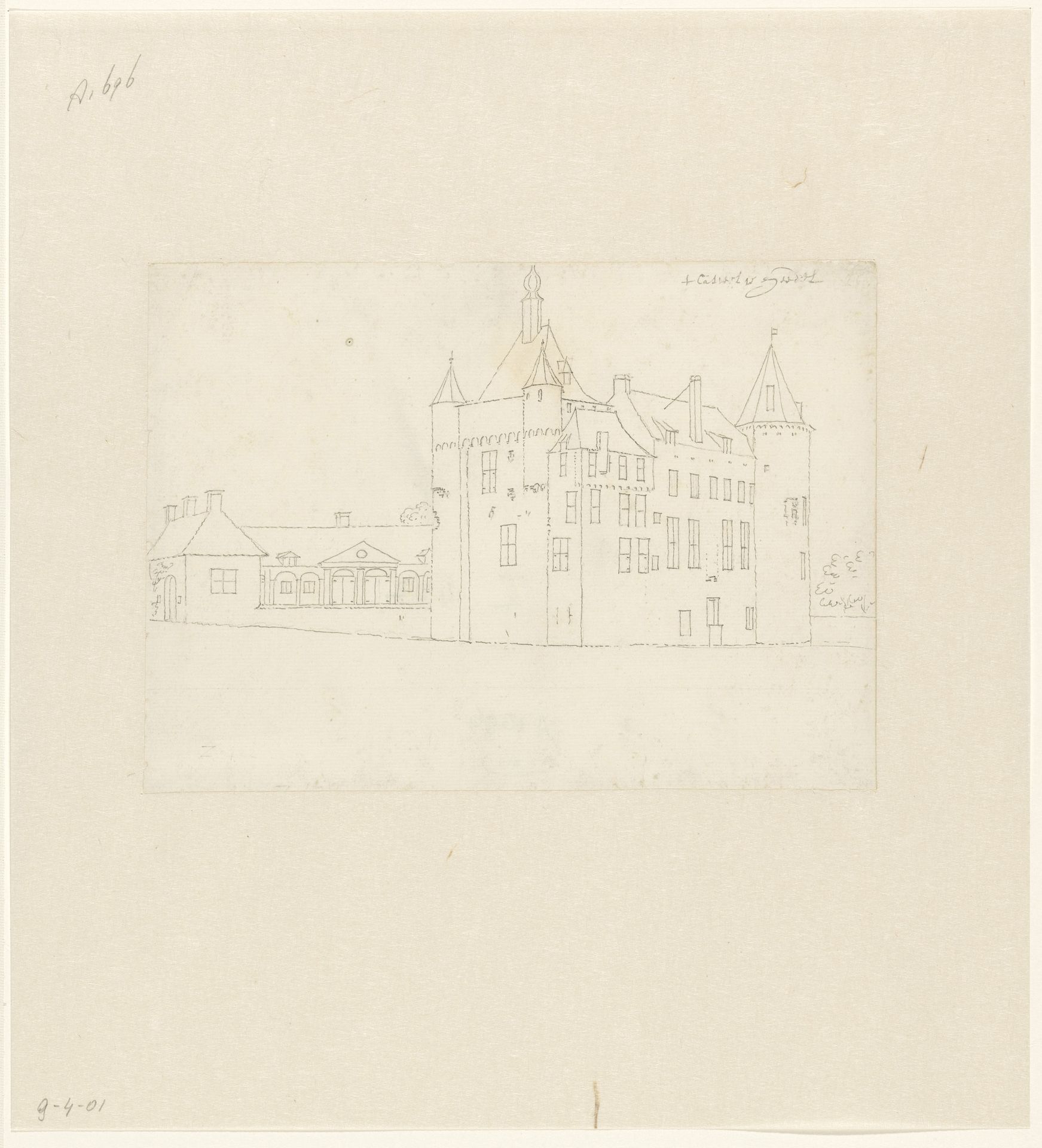
Kasteel te Hedel

Cornelis Pronk
1691 - 1759Location
RijksmuseumListen to curator's interpretation
Curatorial notes
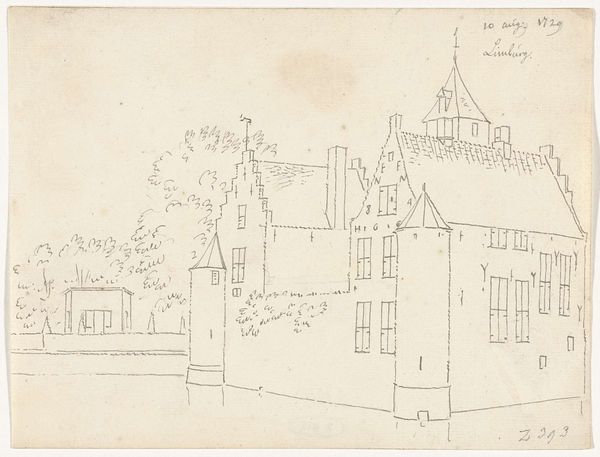
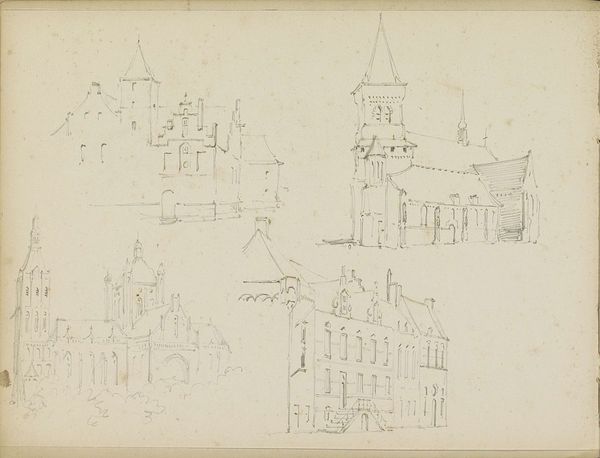
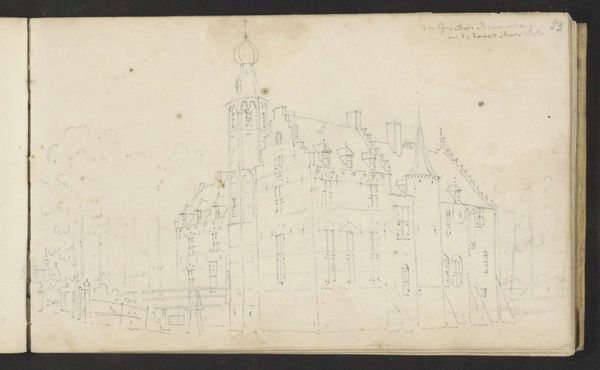
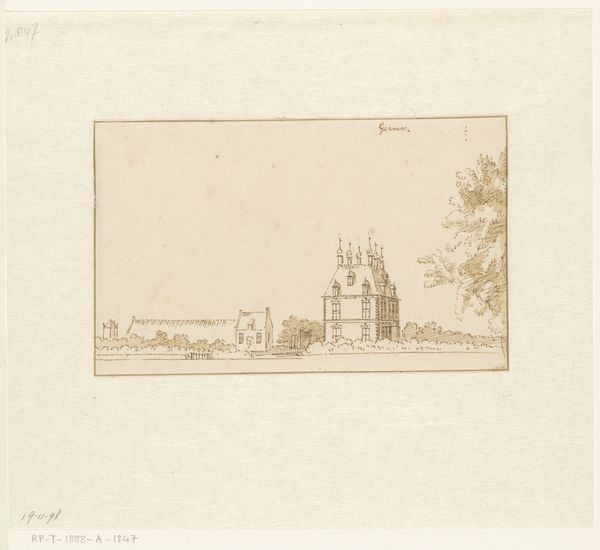
Cornelis Pronk rendered this drawing of Kasteel te Hedel with pen and paper in the early 18th century. The castle, with its robust towers and ordered windows, embodies a longing for stability amidst the relentless currents of time. The castle's design, with its central tower, echoes the Tower of Babel—a symbol of human ambition and the desire to reach the divine. Such architectural motifs appear throughout history, from medieval fortresses to Renaissance palaces, each iteration reflecting society's shifting relationship with power and authority. Think of the recurring image of the tower—a phallic symbol, representing the ego's aspiration. Consider how this form is echoed even today in modern skyscrapers. These structures reflect our ongoing desire to assert dominance over nature. The act of constructing and viewing these towers taps into primal, subconscious drives. The symbol of the castle is not linear but cyclical, constantly resurfacing and evolving.