c. 1710
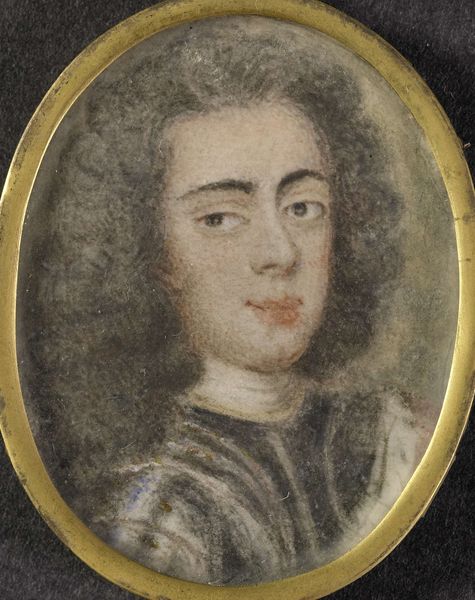
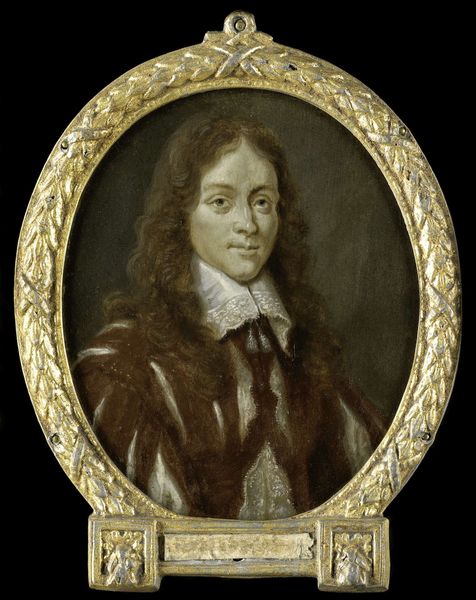
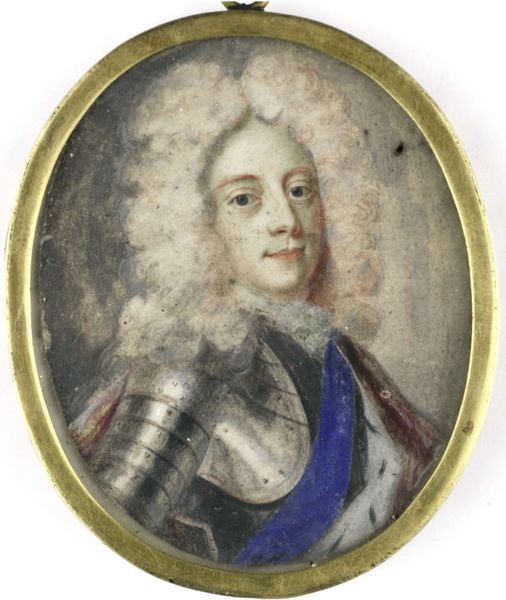
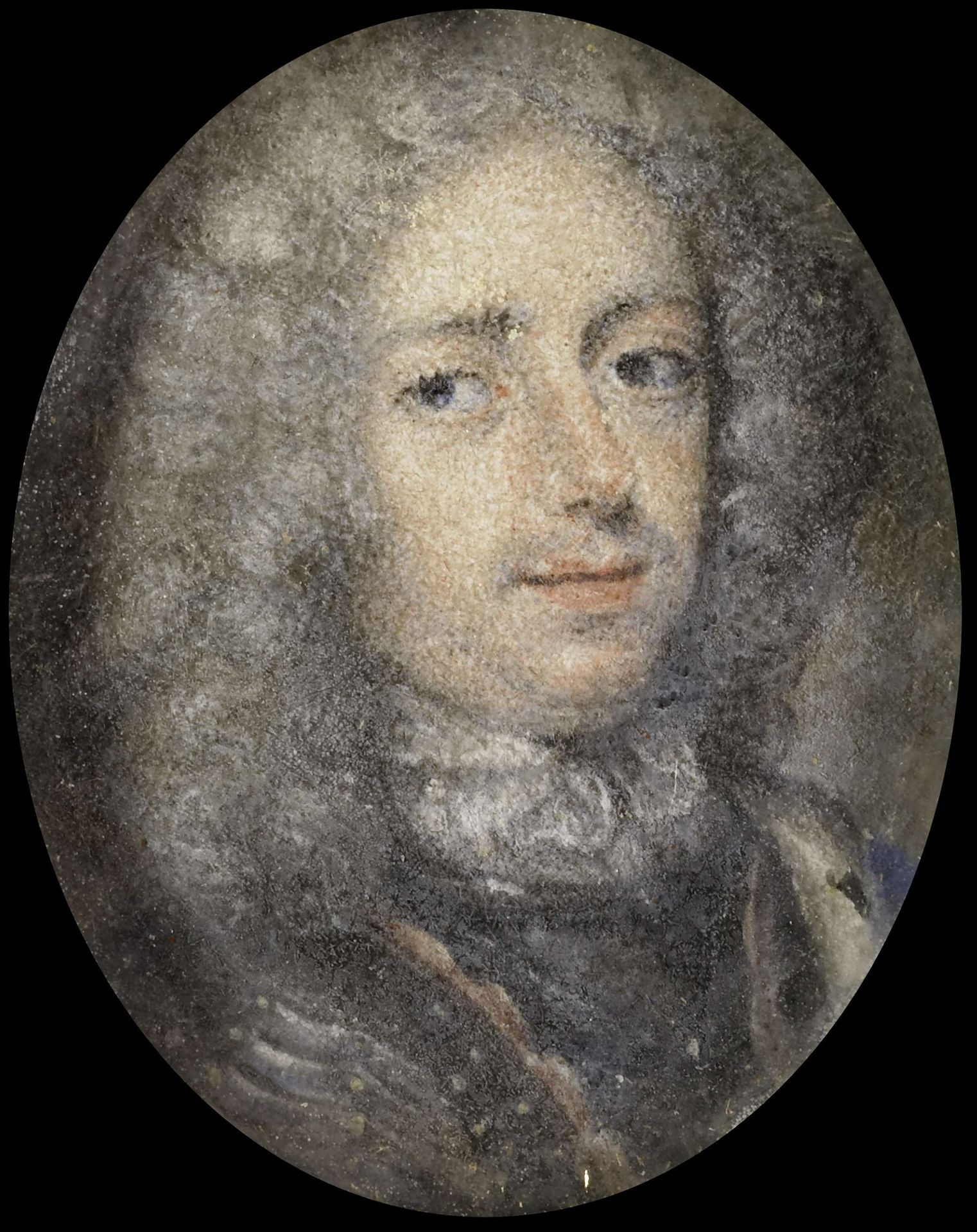
Johan Willem Friso (1687-1711). Prins van Oranje-Nassau

Anonymous
@anonymousLocation
RijksmuseumListen to curator's interpretation
Curatorial notes
This miniature portrait depicts Johan Willem Friso, Prince of Orange-Nassau. Though modestly sized and made by an anonymous hand, it speaks volumes about power and legacy. Notice the elaborate wig, a symbol of status in the 17th and 18th centuries. It echoes the lion's mane, a recurring symbol of royalty and strength seen across cultures, from ancient Mesopotamia to Renaissance Europe. The Prince's steady gaze, directed slightly off to the side, is a carefully constructed image intended to project confidence and leadership. The portrait may call to mind other images of rulers throughout history. Consider the Roman emperors or Renaissance monarchs; all carefully crafted to evoke authority. Such symbols are not merely aesthetic choices, but powerful psychological tools to inspire awe and obedience. Like the recurring motifs in dreams, they tap into a collective, subconscious understanding of power. The image of the all-powerful ruler is one that resurfaces time and again, each time adapting to new cultural contexts.