c. 1894
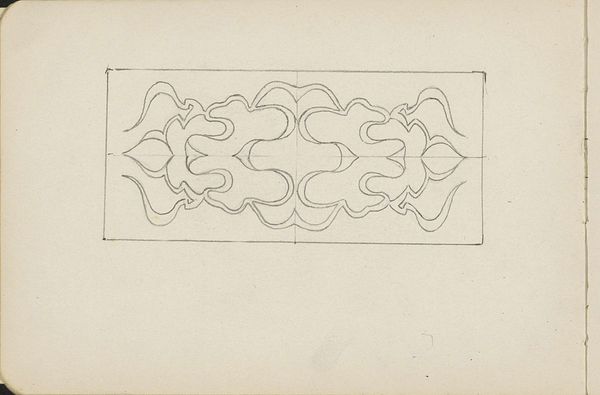
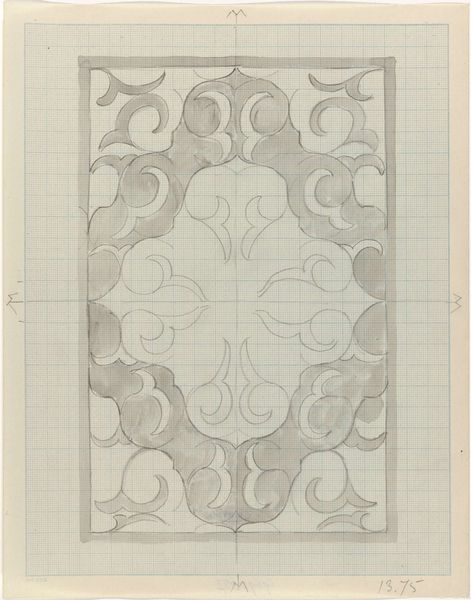
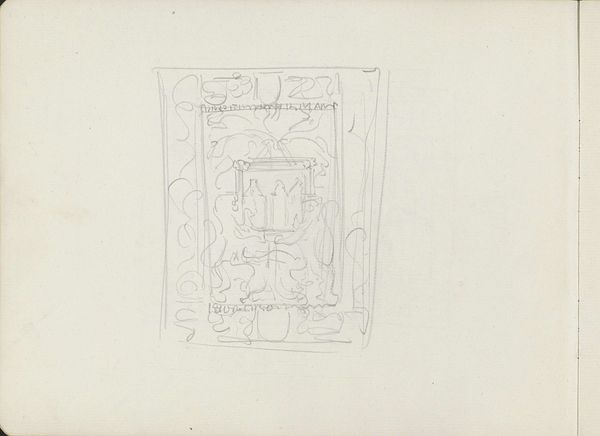
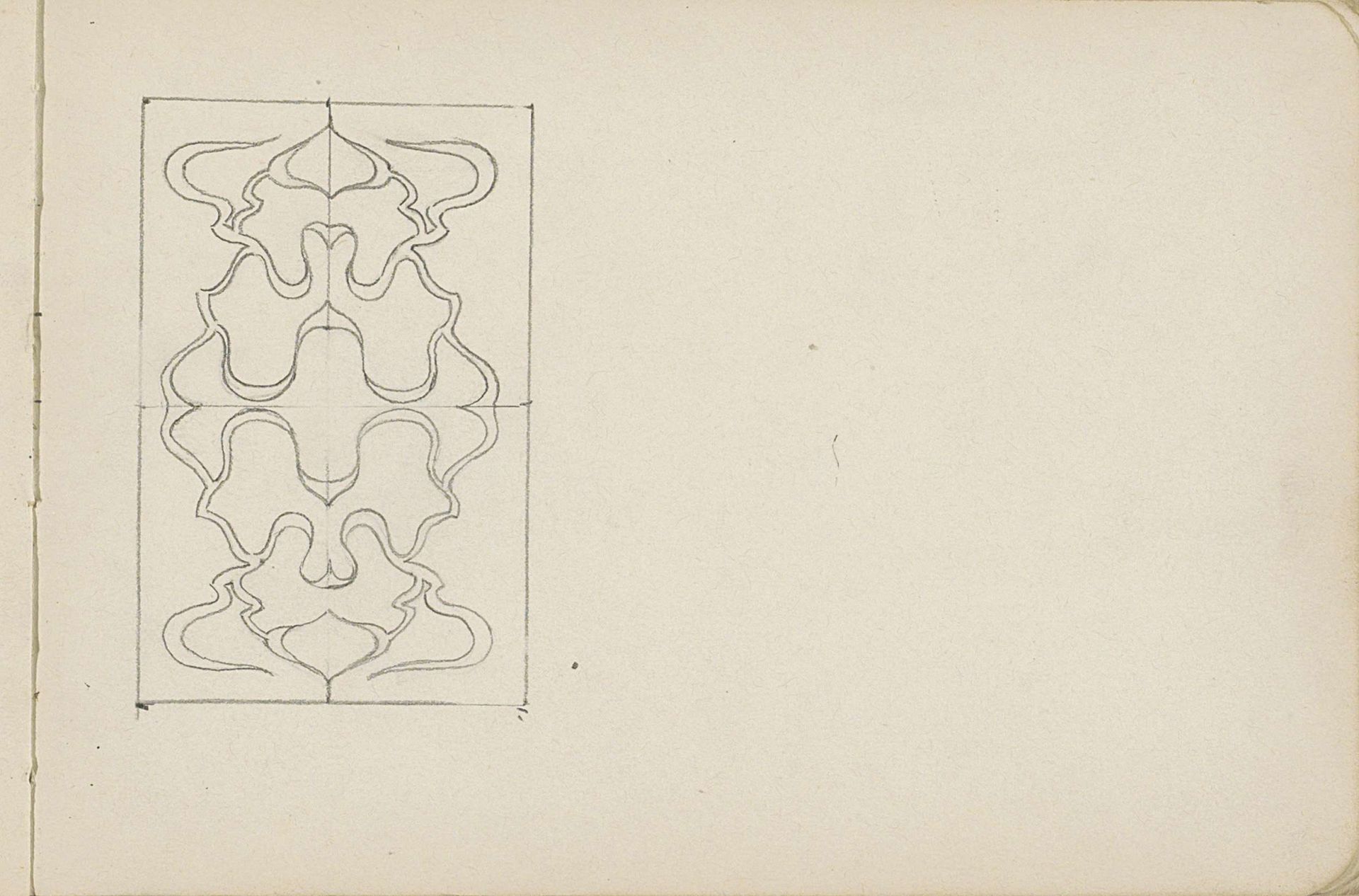
Symmetrisch patroon van krullende lijnen binnen een rechthoek

Julie de Graag
1877 - 1924Location
RijksmuseumListen to curator's interpretation
Curatorial notes
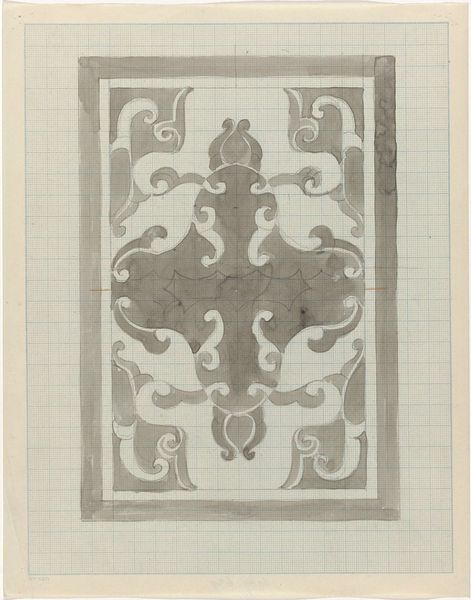
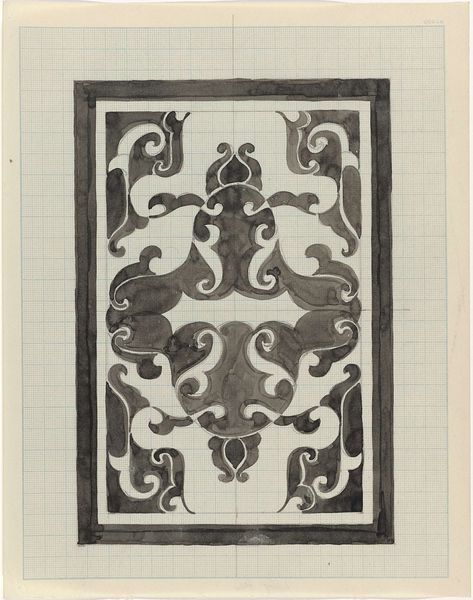
Julie de Graag made this symmetrical pattern of curling lines within a rectangle as a design for wallpaper or fabric, we think, in the Netherlands, sometime around the turn of the twentieth century. The artist was working at a time when the Arts and Crafts movement was becoming popular, and there was a renewed interest in decorative arts, like textile design. In fact, museums like this one were becoming interested in the decorative arts too, and that helped to raise the status of craft work. De Graag was a woman working at a time when it was difficult for women to get recognition in the art world. The curling lines could be inspired by plants and flowers, but they are simplified and abstracted into a geometrical pattern. The design is both modern and timeless, and it reflects the artist’s interest in both nature and abstraction. To fully understand De Graag’s work, it would be useful to look at the history of design from this period, and the role of women in art and design. By studying the social and institutional contexts, we can gain a deeper appreciation of this beautiful and intriguing pattern.