Possibly 1660 - 1662
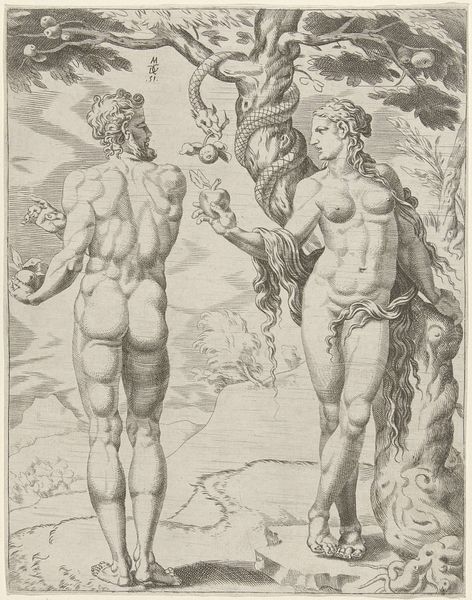
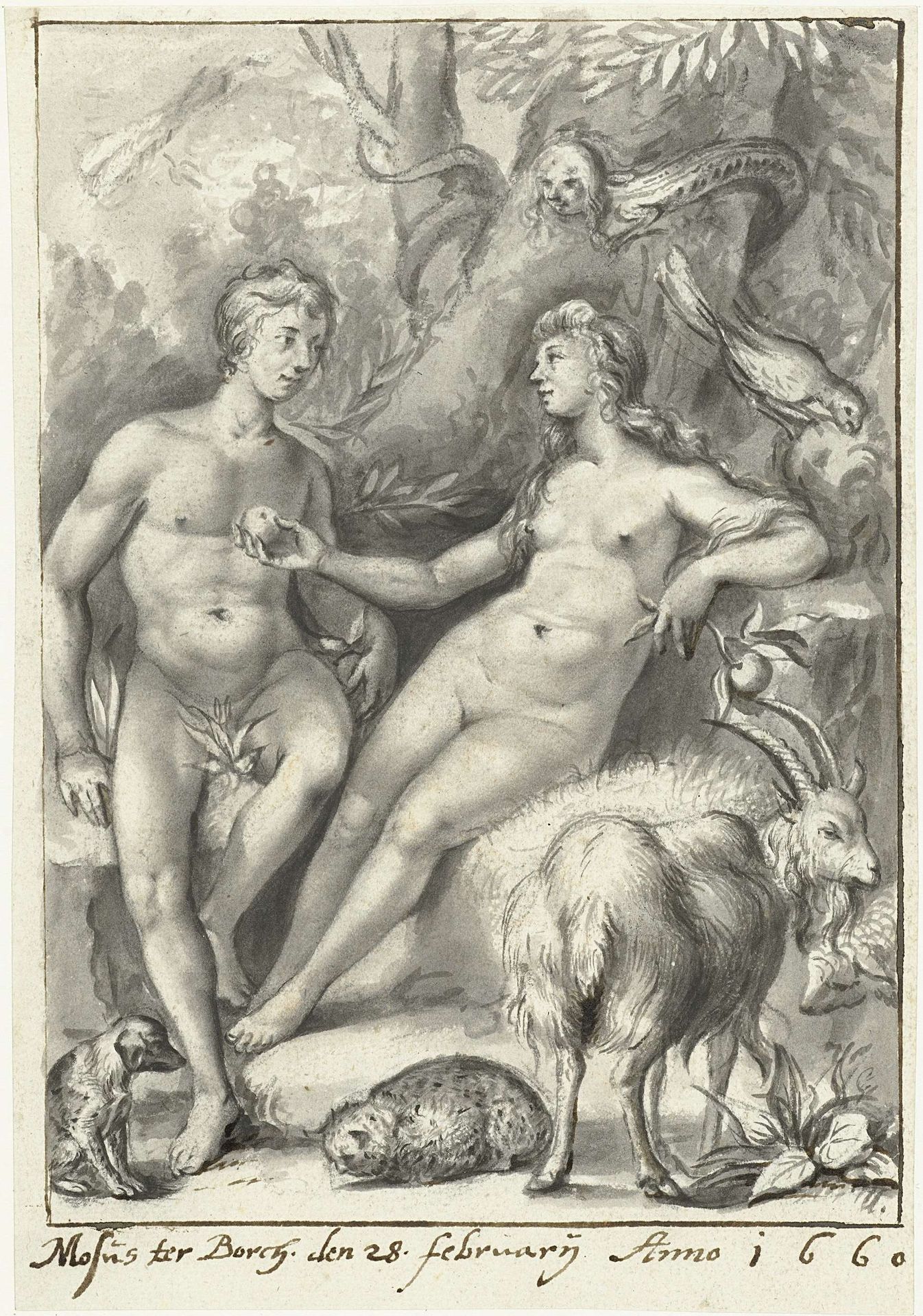
Adam en Eva

Moses ter Borch
1645 - 1667Location
RijksmuseumListen to curator's interpretation
Curatorial notes
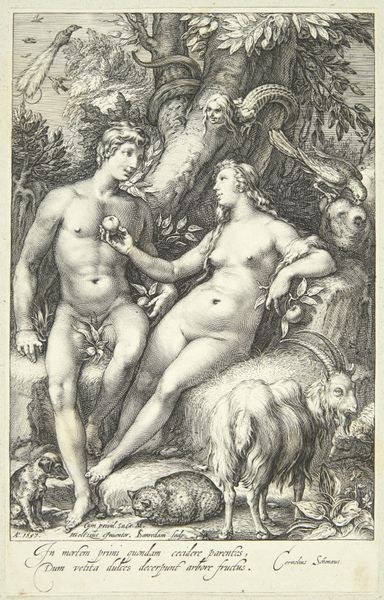
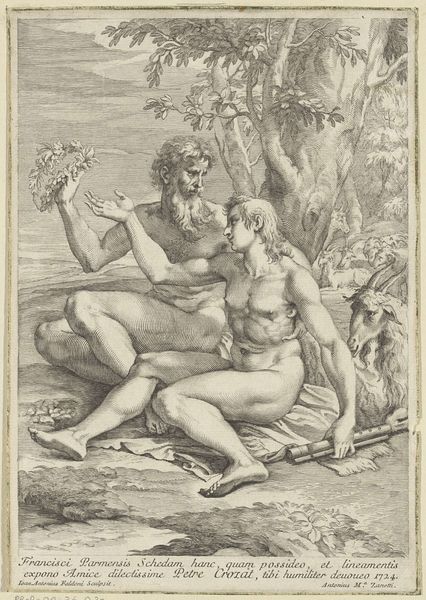
This is Moses ter Borch’s rendering of Adam and Eve, made circa 1660 with pen and gray ink. It’s a scene marked by the symbolism of temptation and knowledge. Here, the serpent isn’t merely a snake but a figure with a human-like head, a subtle nod to its deceptive nature. In contrast to classical interpretations, Eve reclines casually, offering the apple with a relaxed gesture, reflecting a nuanced understanding of the Fall. The goat at her side suggests a link to pagan imagery, possibly referencing fertility or the primal aspects of human nature. Throughout time, the serpent's image has slithered through various cultural contexts, from ancient deities to symbols of chaos and healing. Note its continuous presence, evolving yet retaining its core essence, proving that symbols never truly vanish but transform, echoing through the corridors of our collective memory. The emotional gravity of this scene engages us, prompting a deep, subconscious reflection on choice, desire, and the human condition.