1722 - 1784
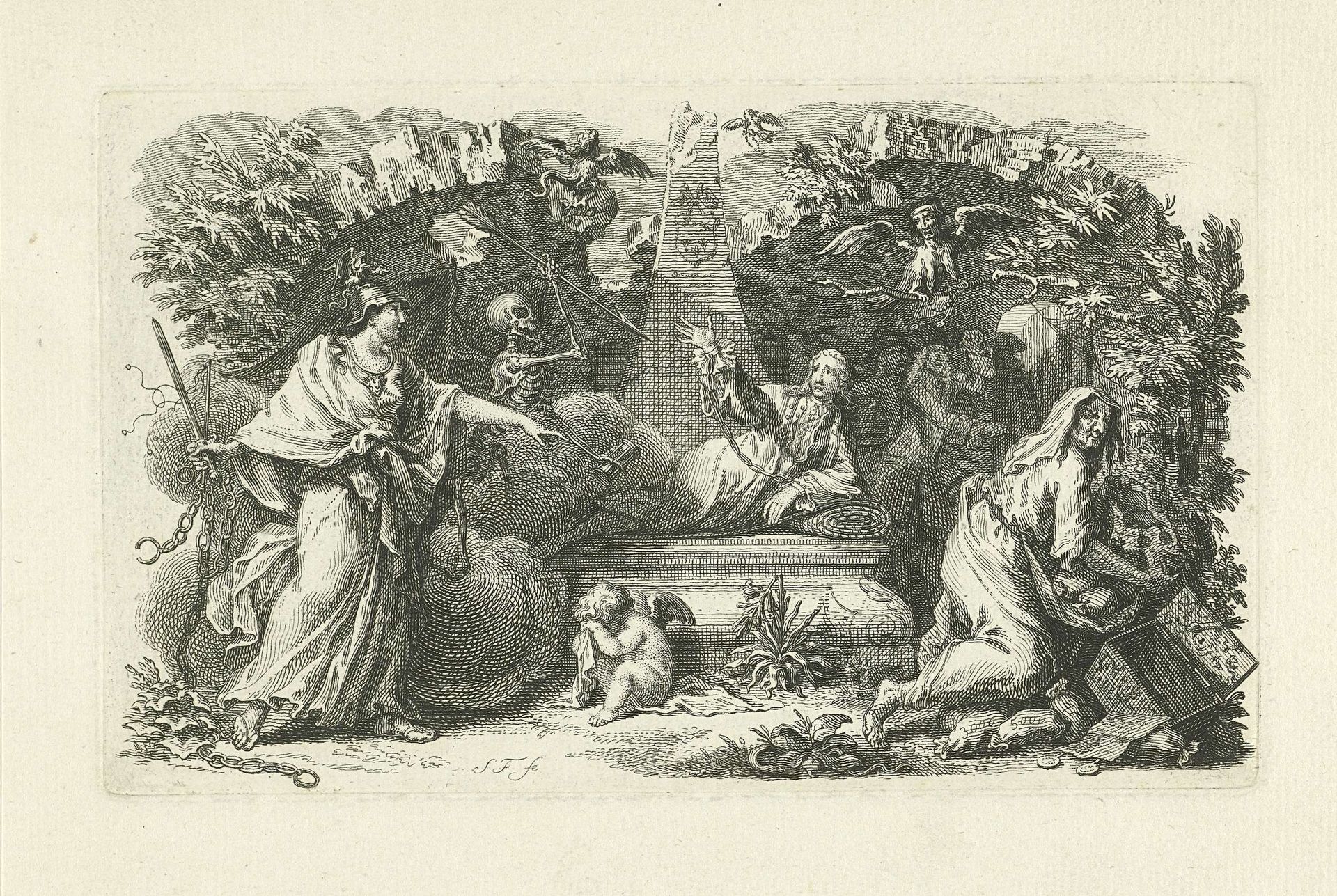
Allegorische voorstelling met graftombe

Simon Fokke
1712 - 1784Location
RijksmuseumListen to curator's interpretation
Curatorial notes
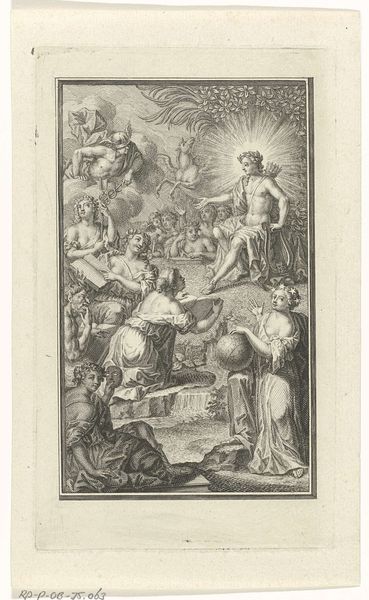
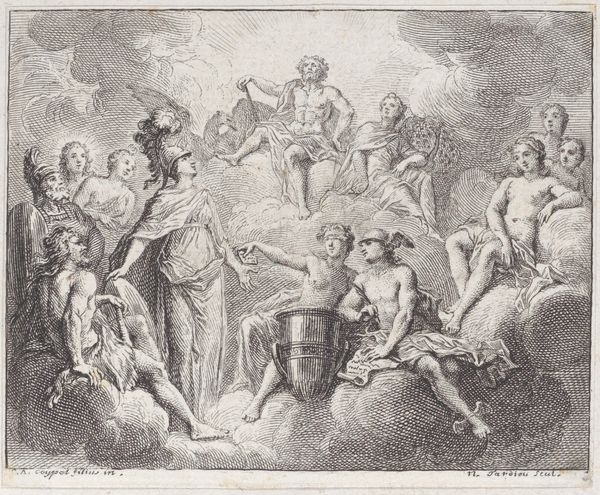
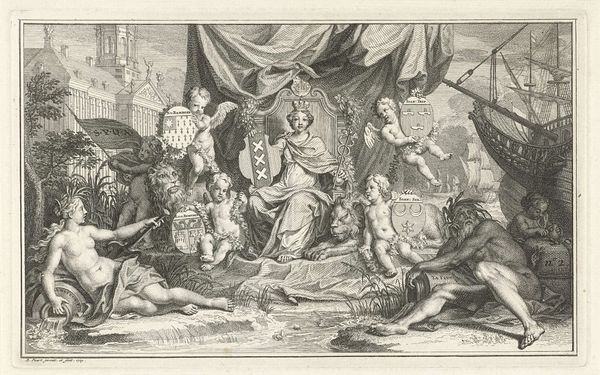
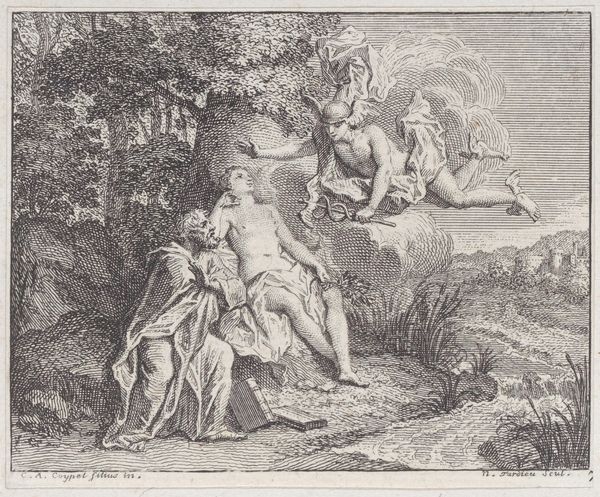
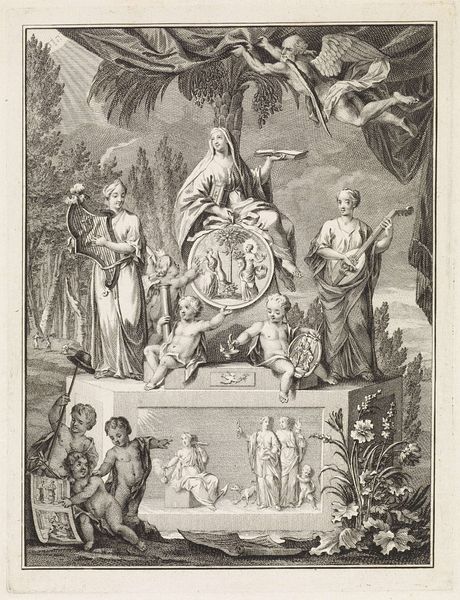
Simon Fokke created this allegorical engraving with a tomb, sometime between 1712 and 1784. Here, within a deeply Baroque scene, Fokke presents us with an invitation to reflect on mortality and morality. The artist uses allegory, a popular tool in the 18th century, to speak to the values of the time. We see classical figures such as a helmeted Minerva standing alongside a skeleton, which symbolizes death. Note the figure reclining on the tomb, holding a symbol of faith, set against the weeping mourners, and the cherub with a tear stained face. Fokke’s work taps into the deep sense of human grief and spiritual contemplation during the Enlightenment. While the Enlightenment was rooted in reason, it was also a period grappling with profound philosophical questions of life, death, and the afterlife. Fokke invites us to reflect on life's transient nature through a distinctly Dutch lens.