About this artwork
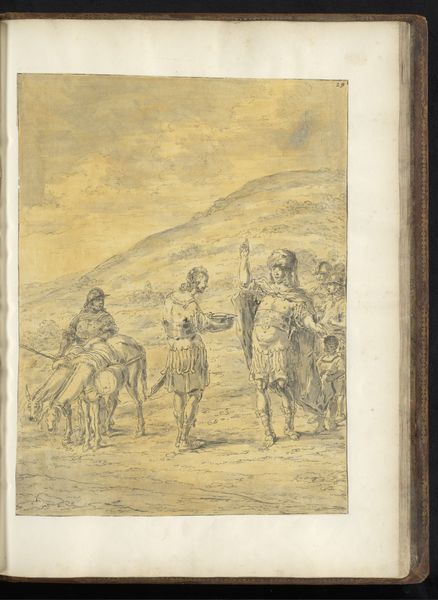
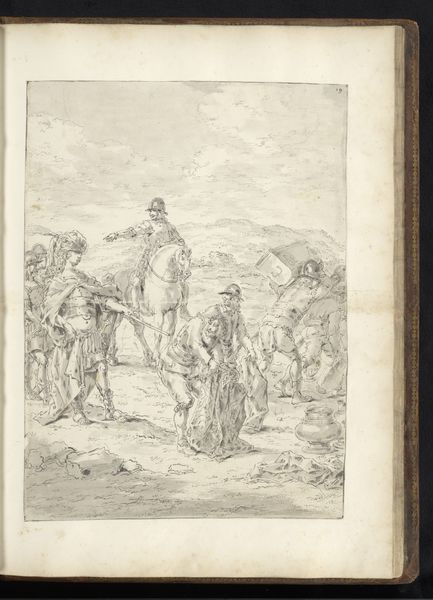
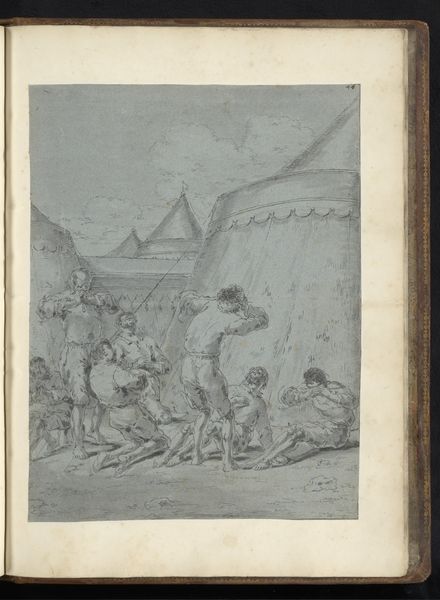
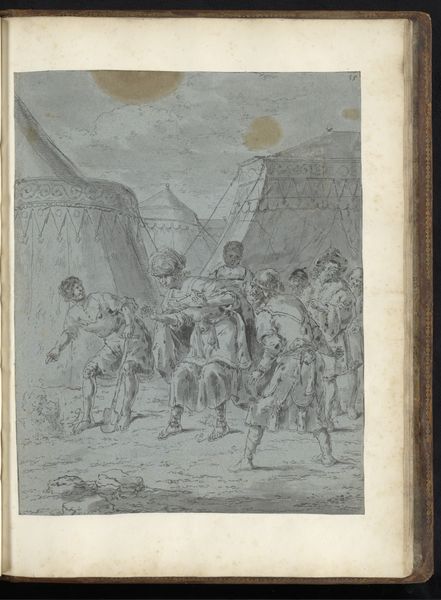
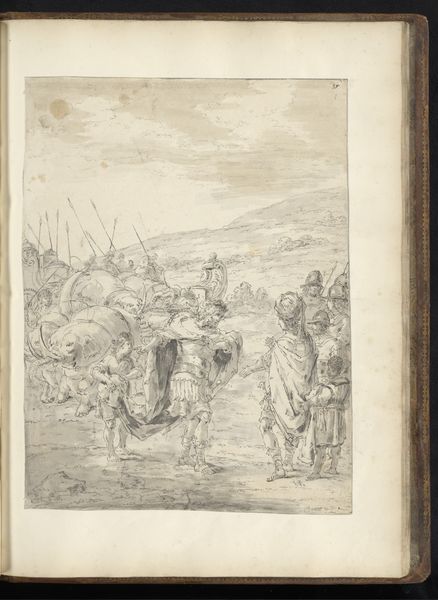
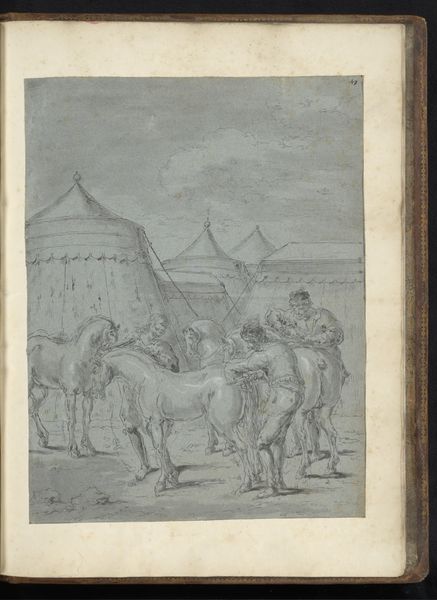
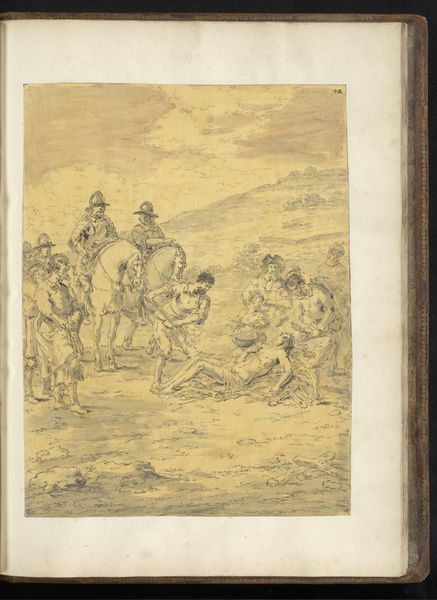
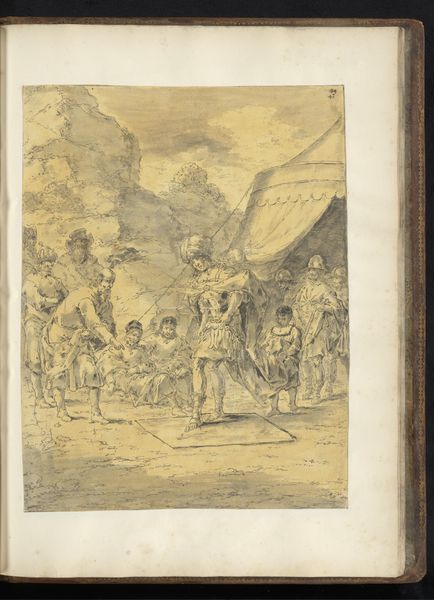
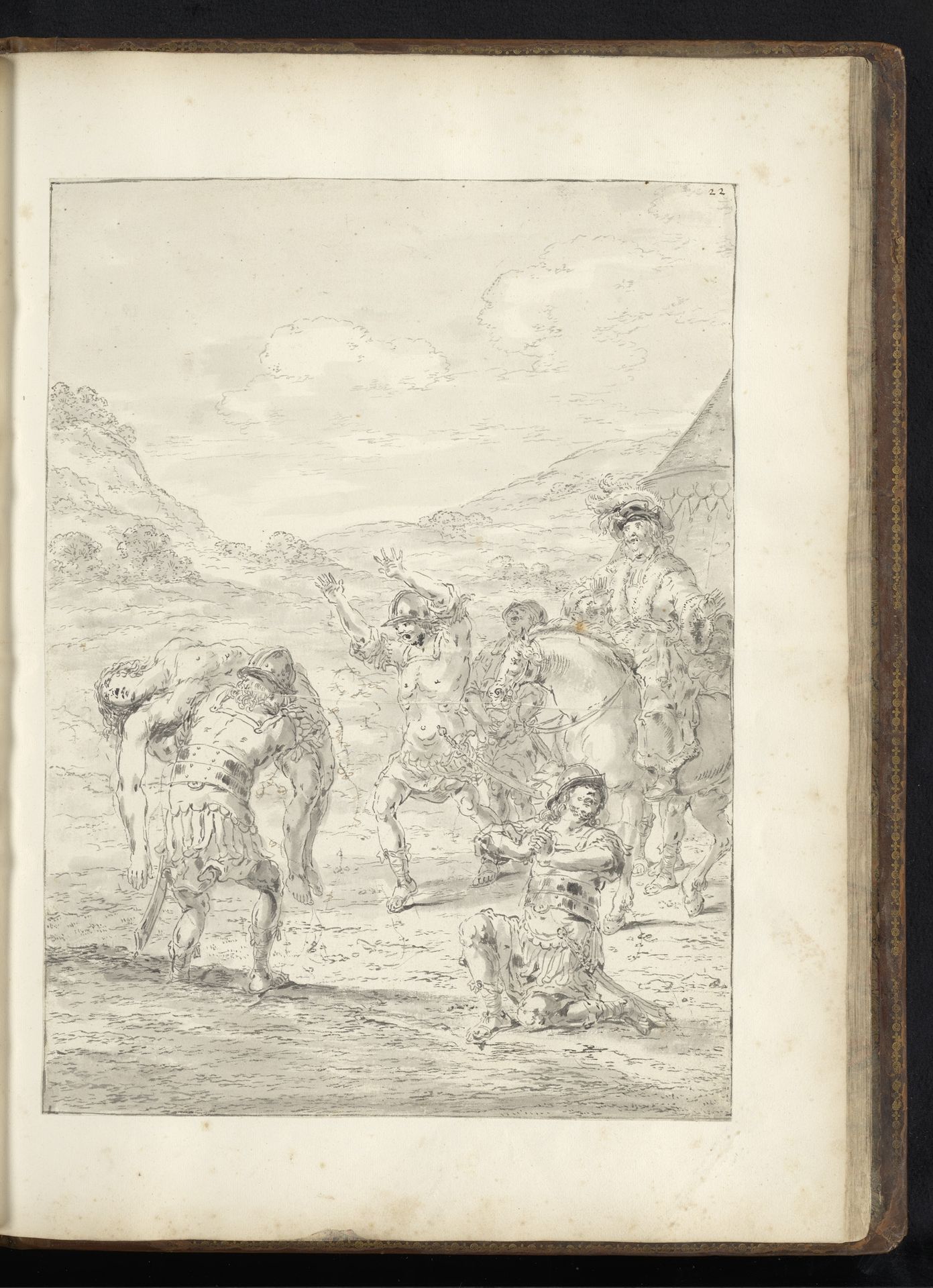
Leonaert Bramer made this drawing, Alexander de Grote wordt uit de Cydnus gedragen, using pen and brush in gray ink, sometimes called "grisaille". This approach isn't just a cost-saving measure – it focuses our attention on the artist’s skillful handling of the materials. The gray ink is applied in delicate layers of washes, allowing the artist to modulate the tonal range and capture the nuances of light and shadow. Bramer also made liberal use of hatching and cross-hatching to build up darker tones and add volume to the figures. The choice of drawing as a medium is significant too. It foregrounds the artist’s hand, privileging directness and intimacy of expression over the slickness of a finished painting. Pen-and-ink drawings were often produced in multiples, distributed among a wider audience, and appreciated for their immediacy. So, next time you look at a drawing, remember it's not just a preliminary sketch or a study for a larger work, but a potent medium in its own right.
Alexander de Grote wordt uit de Cydnus gedragen
c. 1655 - 1665

Leonaert Bramer
1596 - 1674Location
RijksmuseumArtwork details
- Medium
- drawing, paper, ink, pen
- Dimensions
- height 410 mm, width 304 mm
- Location
- Rijksmuseum
- Copyright
- Rijks Museum: Open Domain
Tags
Comments
Share your thoughts
About this artwork
Leonaert Bramer made this drawing, Alexander de Grote wordt uit de Cydnus gedragen, using pen and brush in gray ink, sometimes called "grisaille". This approach isn't just a cost-saving measure – it focuses our attention on the artist’s skillful handling of the materials. The gray ink is applied in delicate layers of washes, allowing the artist to modulate the tonal range and capture the nuances of light and shadow. Bramer also made liberal use of hatching and cross-hatching to build up darker tones and add volume to the figures. The choice of drawing as a medium is significant too. It foregrounds the artist’s hand, privileging directness and intimacy of expression over the slickness of a finished painting. Pen-and-ink drawings were often produced in multiples, distributed among a wider audience, and appreciated for their immediacy. So, next time you look at a drawing, remember it's not just a preliminary sketch or a study for a larger work, but a potent medium in its own right.
Comments
Share your thoughts