About this artwork
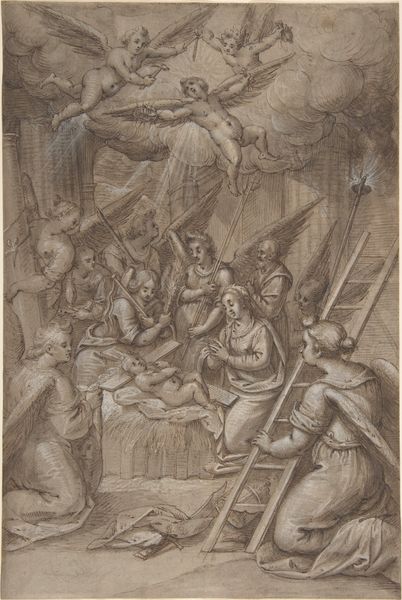
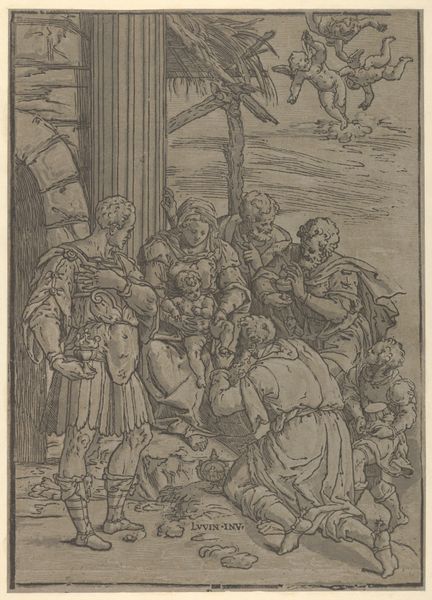
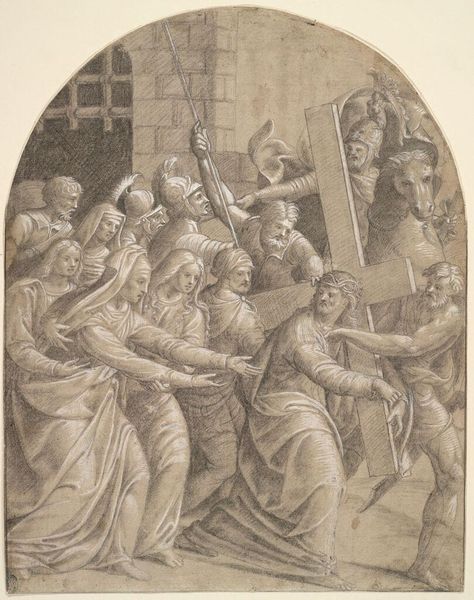
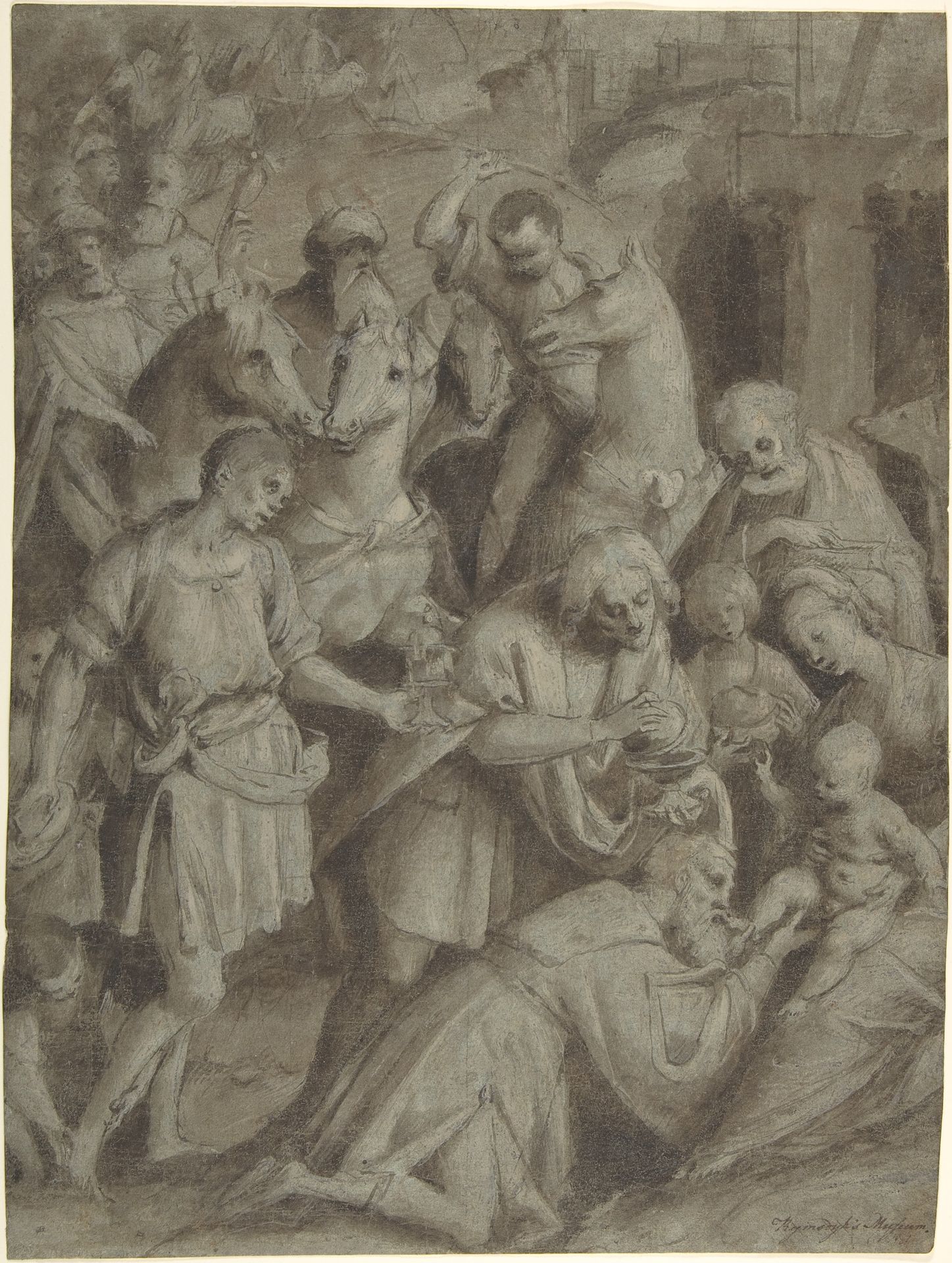
Bernardino Lanino made this drawing, The Adoration of the Magi, with pen and brown ink, heightened with white, on gray-brown paper. Lanino lived in a time when religious and social structures were facing upheaval, as evidenced by the Protestant Reformation. The drawing depicts the biblical story of the three kings, or Magi, who travel to Bethlehem to worship the newborn Jesus. The image is alive with movement. The composition is full of figures on horseback, and the Magi bearing gifts, all converging towards the infant Jesus. Lanino’s work exemplifies the intersection of faith, culture, and artistic expression in the 16th century. He masterfully conveys the emotional and spiritual dimensions of this well-known narrative. It's interesting to consider how the story of the Magi, figures of different cultures coming together in reverence, resonates across various identities and histories. What does this drawing evoke in you? Does it prompt reflections on faith, cultural exchange, or the universal human search for meaning?
The Adoration of the Magi
1553


Artwork details
- Medium
- drawing, print, charcoal
- Dimensions
- 15 x 11-1/4 in. (38.1 x 28.5 cm)
- Location
- Metropolitan Museum of Art, New York, NY
- Copyright
- Public Domain
Tags
drawing
narrative-art
charcoal drawing
figuration
11_renaissance
oil painting
charcoal
history-painting
italian-renaissance
Comments
Be the first to share your thoughts about this work.
About this artwork
Bernardino Lanino made this drawing, The Adoration of the Magi, with pen and brown ink, heightened with white, on gray-brown paper. Lanino lived in a time when religious and social structures were facing upheaval, as evidenced by the Protestant Reformation. The drawing depicts the biblical story of the three kings, or Magi, who travel to Bethlehem to worship the newborn Jesus. The image is alive with movement. The composition is full of figures on horseback, and the Magi bearing gifts, all converging towards the infant Jesus. Lanino’s work exemplifies the intersection of faith, culture, and artistic expression in the 16th century. He masterfully conveys the emotional and spiritual dimensions of this well-known narrative. It's interesting to consider how the story of the Magi, figures of different cultures coming together in reverence, resonates across various identities and histories. What does this drawing evoke in you? Does it prompt reflections on faith, cultural exchange, or the universal human search for meaning?
Comments
Be the first to share your thoughts about this work.