About this artwork
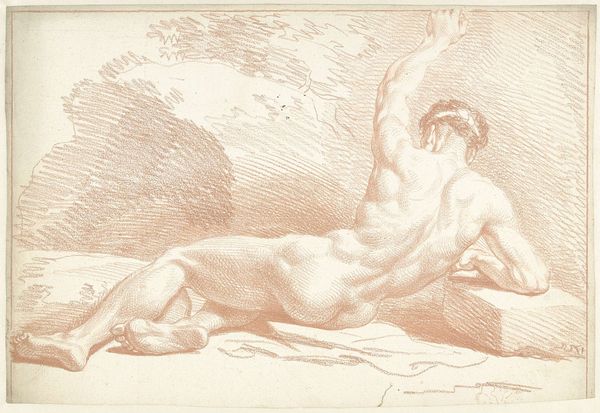
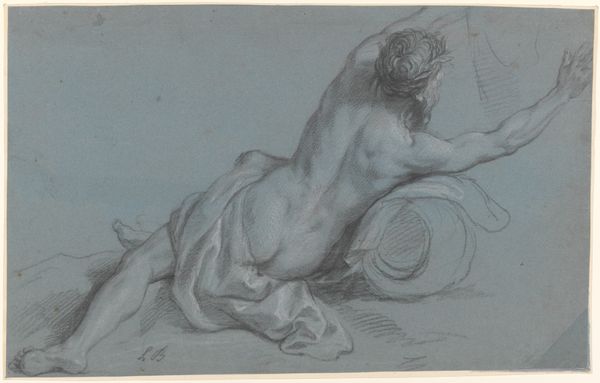
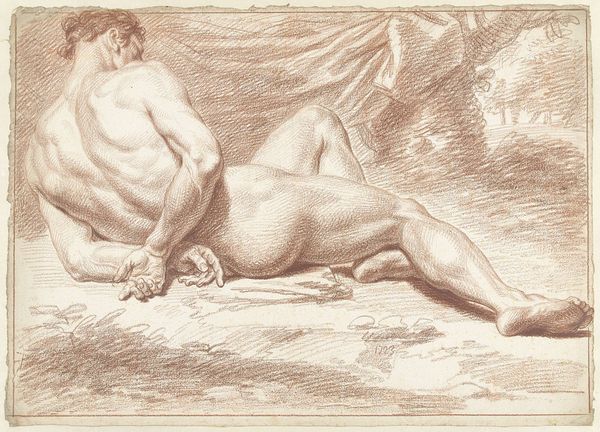
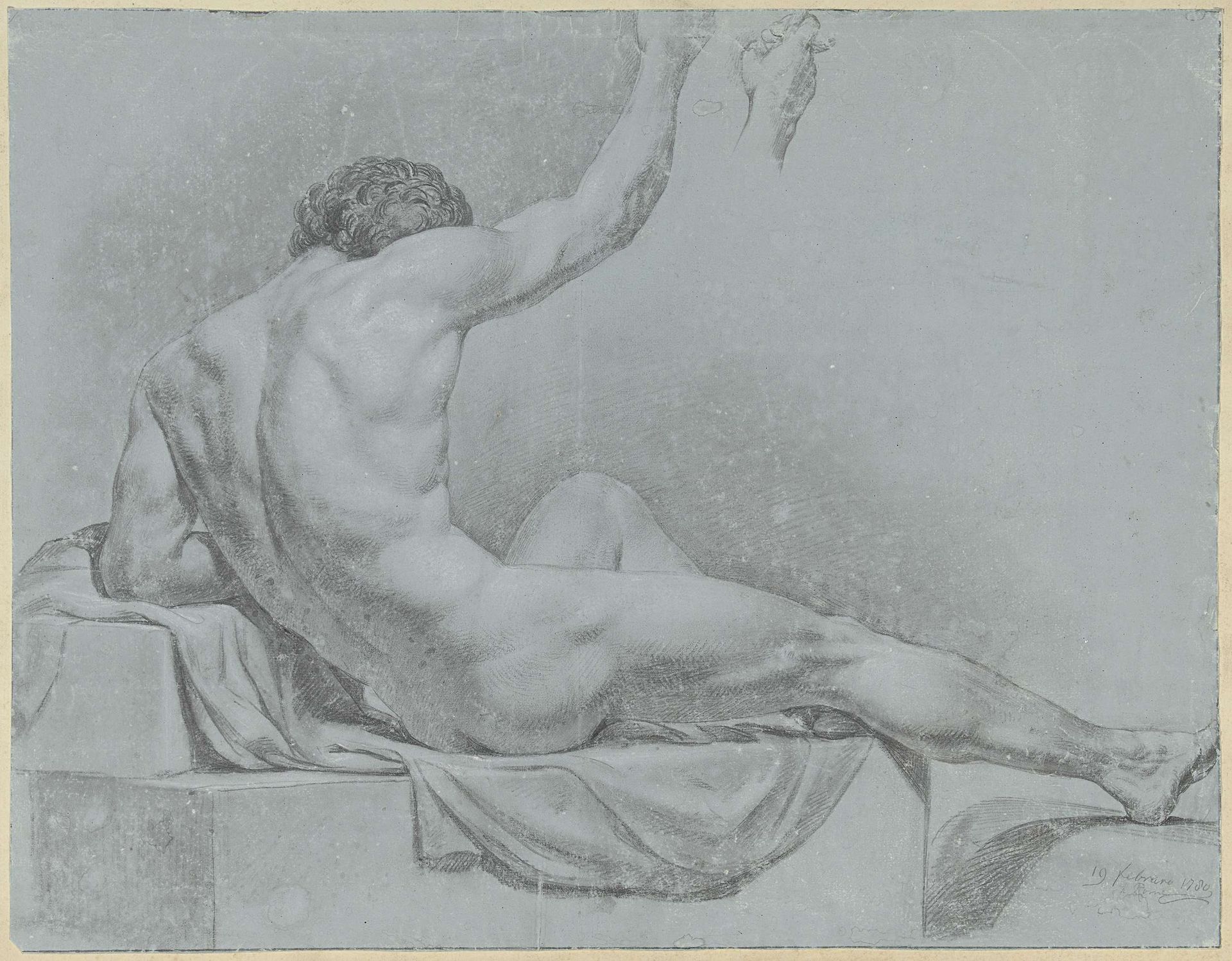
Jean Grandjean made this chalk drawing of a reclining male nude during the late 18th century. His artistic life occurred during a time when the aesthetics of the body were central to artistic expression. Here, the male body is presented in a way that deviates from the period’s traditional representations. The figure is positioned so we don't see the face, which shifts the focus from identity to form, and suggests a narrative beyond conventional portraiture. The vulnerability of the pose invites introspection. How does the absence of a visible face affect our emotional response to the artwork? This piece prompts a closer examination of art's role in shaping cultural ideals and individual experiences. It encourages us to think about how we connect with images and the stories they convey.
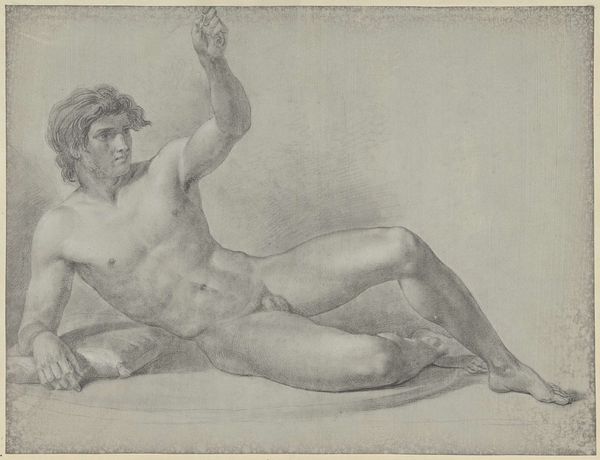
Liggend mannelijk naakt, half opzittend geleund op de linkerarm
Possibly 1780 - 1782

Artwork details
- Medium
- drawing, dry-media, pencil
- Dimensions
- height 424 mm, width 542 mm
- Copyright
- Rijks Museum: Open Domain
Tags
Comments
Share your thoughts
About this artwork
Jean Grandjean made this chalk drawing of a reclining male nude during the late 18th century. His artistic life occurred during a time when the aesthetics of the body were central to artistic expression. Here, the male body is presented in a way that deviates from the period’s traditional representations. The figure is positioned so we don't see the face, which shifts the focus from identity to form, and suggests a narrative beyond conventional portraiture. The vulnerability of the pose invites introspection. How does the absence of a visible face affect our emotional response to the artwork? This piece prompts a closer examination of art's role in shaping cultural ideals and individual experiences. It encourages us to think about how we connect with images and the stories they convey.
Comments
Share your thoughts