About this artwork
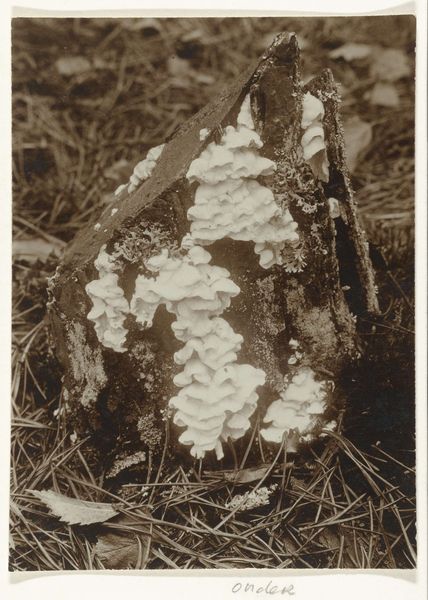
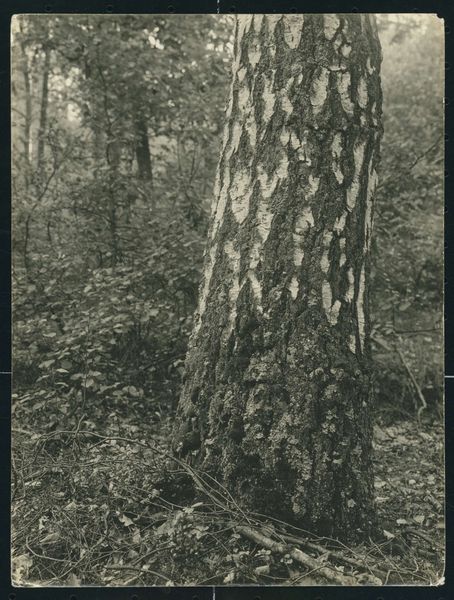
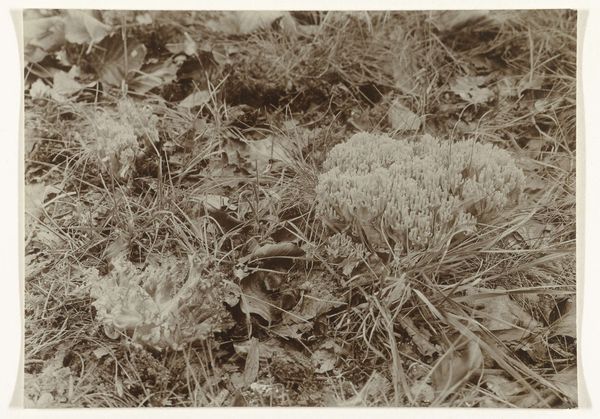
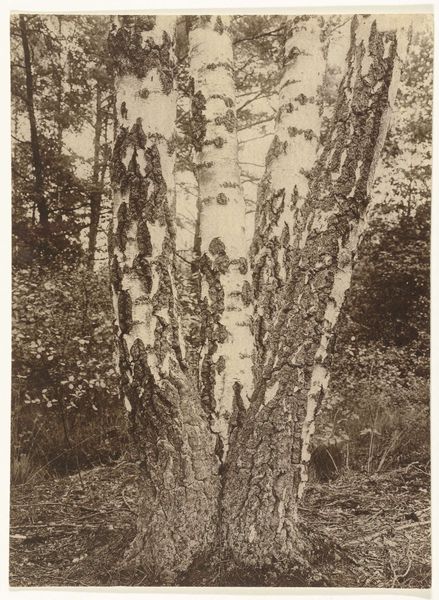
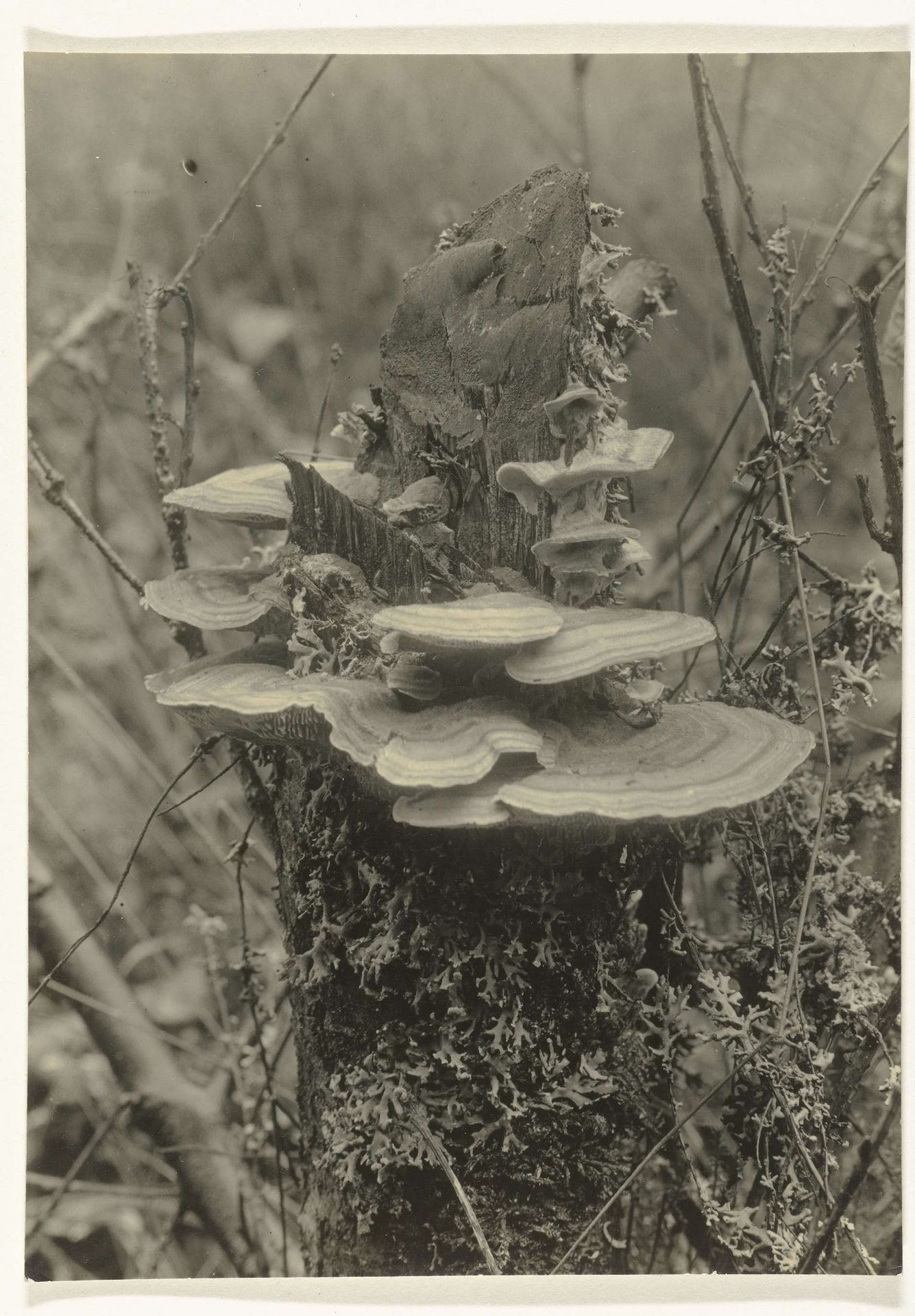
This photograph, Elfenbankjes, was captured by Richard Tepe, though we don’t know exactly when, and shows bracket fungi on a tree stump. The tones are muted, almost a symphony in gray, which makes the textures really stand out. Look at the way the light catches the edge of each shelf of fungi, like a delicate rim. There's a beautiful contrast between the smooth surfaces and the rough, mossy bark. It feels almost sculptural, a collaboration between nature and light, captured by Tepe. The image makes me think of Karl Blossfeldt, another artist who was fascinated by the structures found in nature. Both artists used photography to reveal the hidden beauty and complexity of the natural world, reminding us that art can be found everywhere, if we just know how to look. Art is a conversation, an ongoing exploration of how we see and understand the world around us.

Artwork details
- Medium
- photography, gelatin-silver-print
- Dimensions
- height 165 mm, width 118 mm
- Location
- Rijksmuseum
- Copyright
- Rijks Museum: Open Domain
Tags
Comments
Share your thoughts
About this artwork
This photograph, Elfenbankjes, was captured by Richard Tepe, though we don’t know exactly when, and shows bracket fungi on a tree stump. The tones are muted, almost a symphony in gray, which makes the textures really stand out. Look at the way the light catches the edge of each shelf of fungi, like a delicate rim. There's a beautiful contrast between the smooth surfaces and the rough, mossy bark. It feels almost sculptural, a collaboration between nature and light, captured by Tepe. The image makes me think of Karl Blossfeldt, another artist who was fascinated by the structures found in nature. Both artists used photography to reveal the hidden beauty and complexity of the natural world, reminding us that art can be found everywhere, if we just know how to look. Art is a conversation, an ongoing exploration of how we see and understand the world around us.
Comments
Share your thoughts