About this artwork
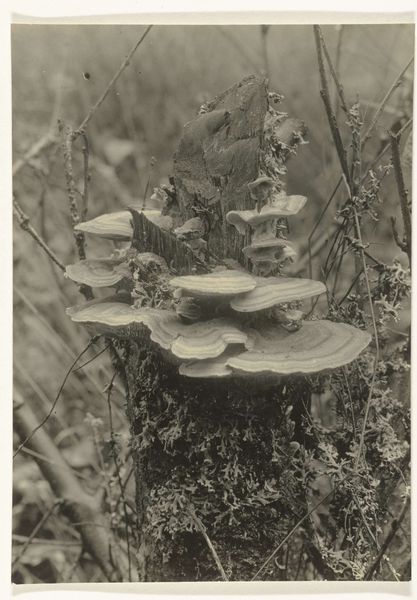
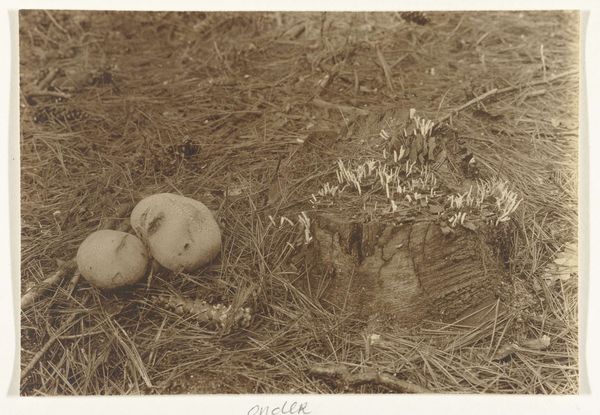
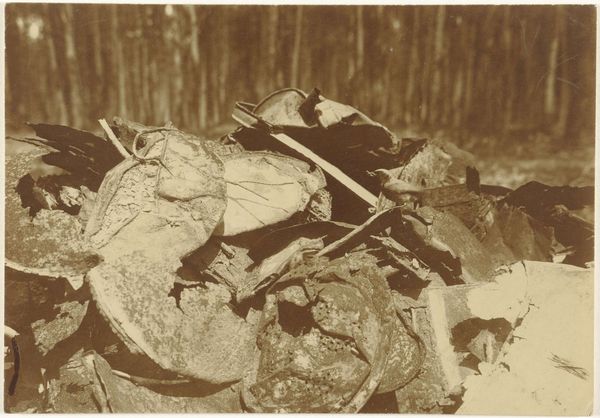
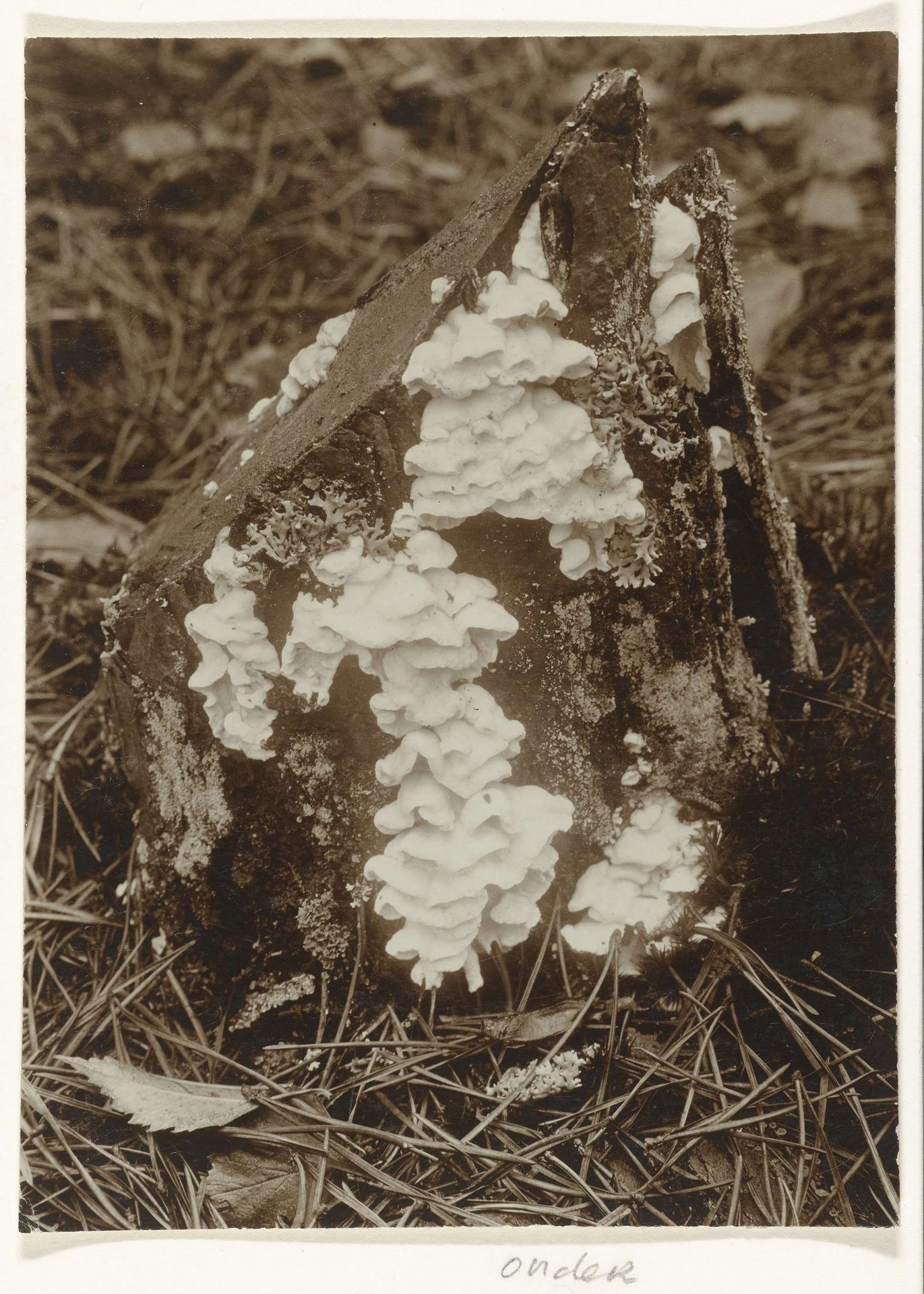
Richard Tepe took this photograph, Witte poria op een stomp van een denneboom, sometime before 1952. You know, I love photographs, they’re like little paintings of the real world. This image shows the side of a tree stump, and the fungus growing on it has this wonderful, rhythmic feel. Tepe really plays with the light here; it’s not about capturing every detail but letting the contrasts shape what we see. It's like he's carving the shapes out of the darkness, paying attention to how the white fungus contrasts against the aged bark of the tree. The texture is fantastic - you can almost feel the roughness of the bark and the dampness of the fungi. It’s this real, tactile quality that really pulls you in. It makes me think of Karl Blossfeldt, who photographed plants with the same kind of obsessive curiosity. Both of them show us that the most extraordinary art is often found in the most ordinary places.
Witte poria op een stomp van een denneboom c. 1900 - 1930

Richard Tepe
1864 - 1952Location
RijksmuseumArtwork details
- Medium
- photography, gelatin-silver-print
- Dimensions
- height 164 mm, width 120 mm
- Location
- Rijksmuseum
- Copyright
- Rijks Museum: Open Domain
Tags
still-life-photography
pictorialism
landscape
photography
botanical photography
gelatin-silver-print
Comments
No comments
About this artwork
Richard Tepe took this photograph, Witte poria op een stomp van een denneboom, sometime before 1952. You know, I love photographs, they’re like little paintings of the real world. This image shows the side of a tree stump, and the fungus growing on it has this wonderful, rhythmic feel. Tepe really plays with the light here; it’s not about capturing every detail but letting the contrasts shape what we see. It's like he's carving the shapes out of the darkness, paying attention to how the white fungus contrasts against the aged bark of the tree. The texture is fantastic - you can almost feel the roughness of the bark and the dampness of the fungi. It’s this real, tactile quality that really pulls you in. It makes me think of Karl Blossfeldt, who photographed plants with the same kind of obsessive curiosity. Both of them show us that the most extraordinary art is often found in the most ordinary places.
Comments
No comments