About this artwork
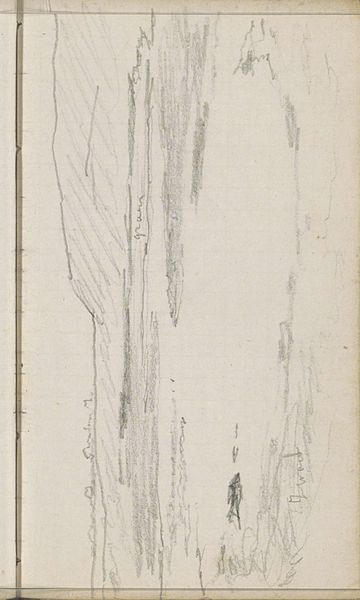
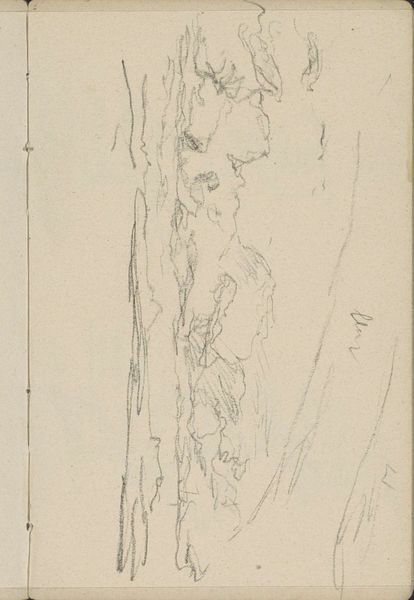
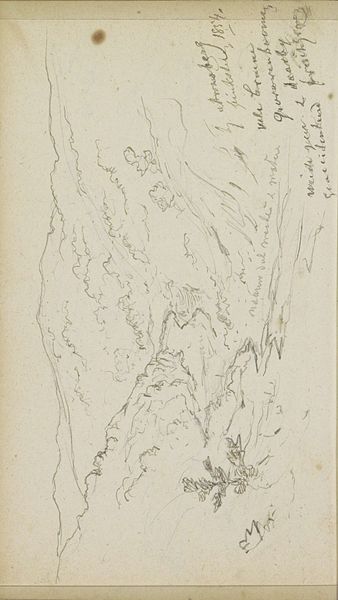
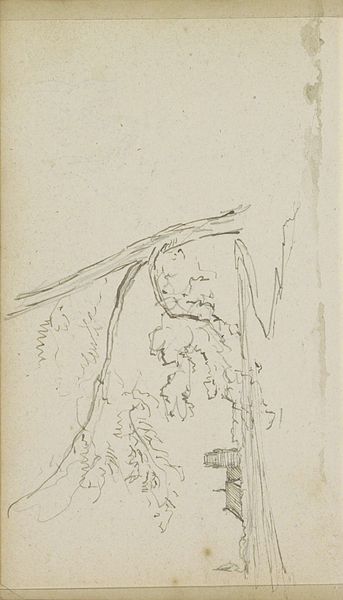
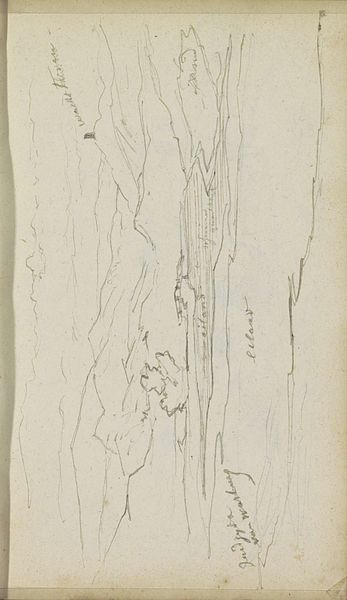
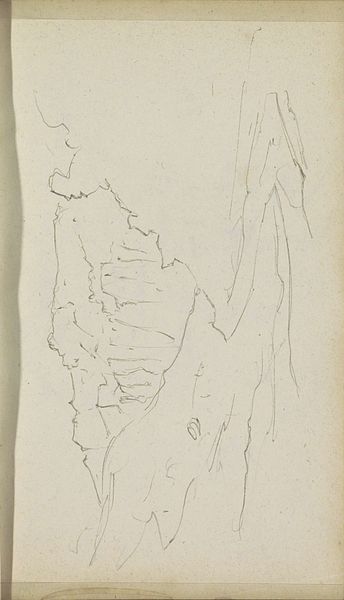
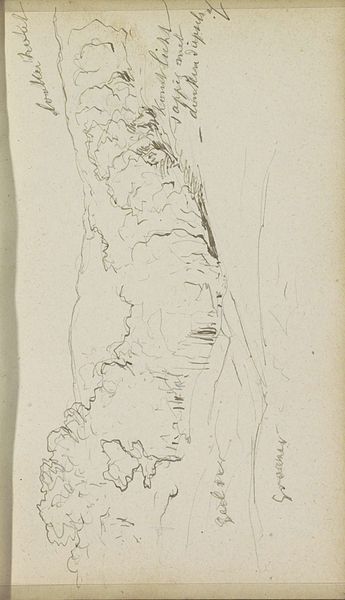
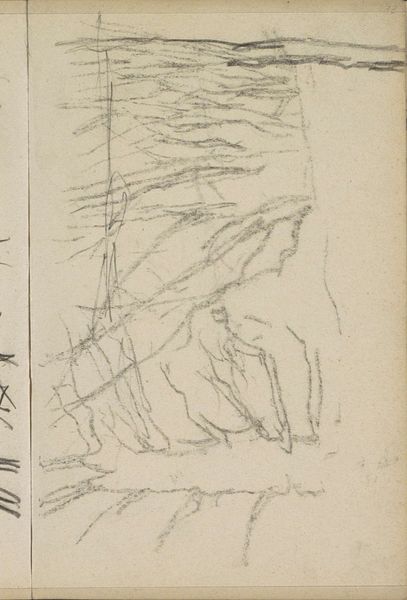
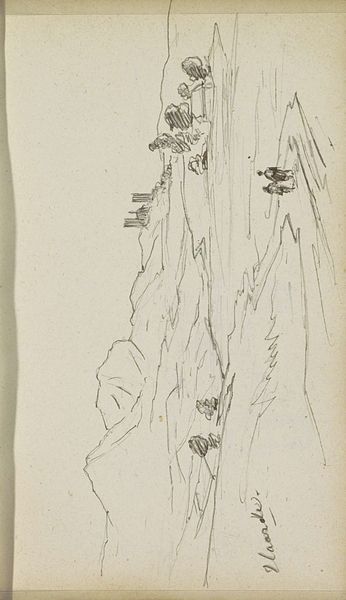
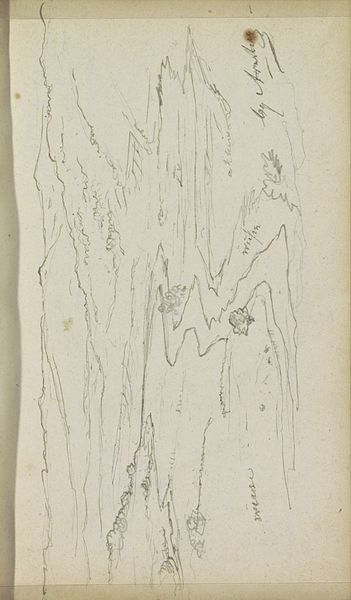
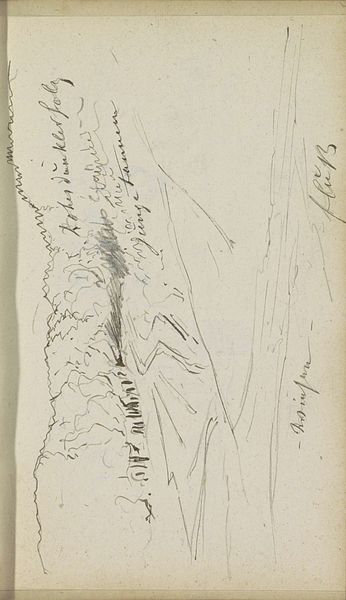
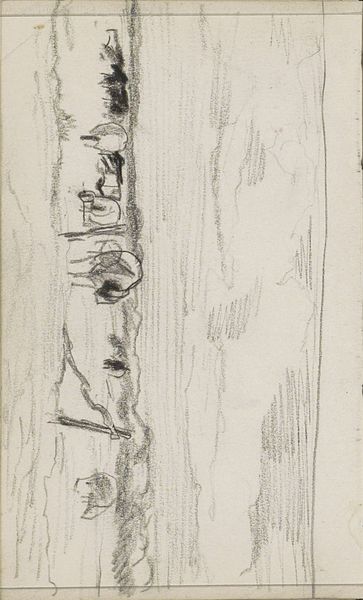
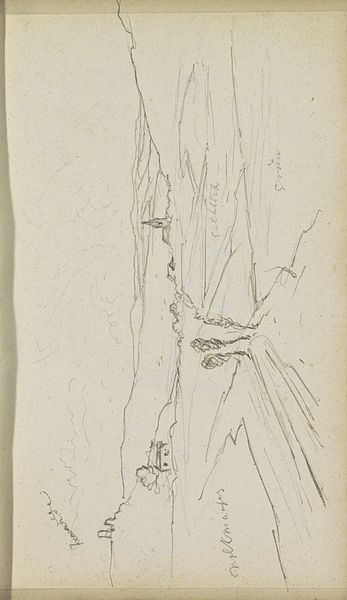
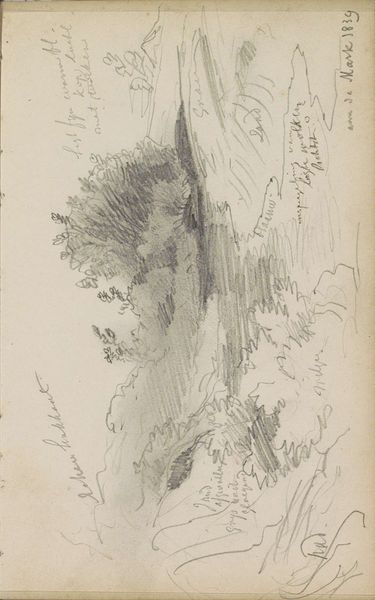
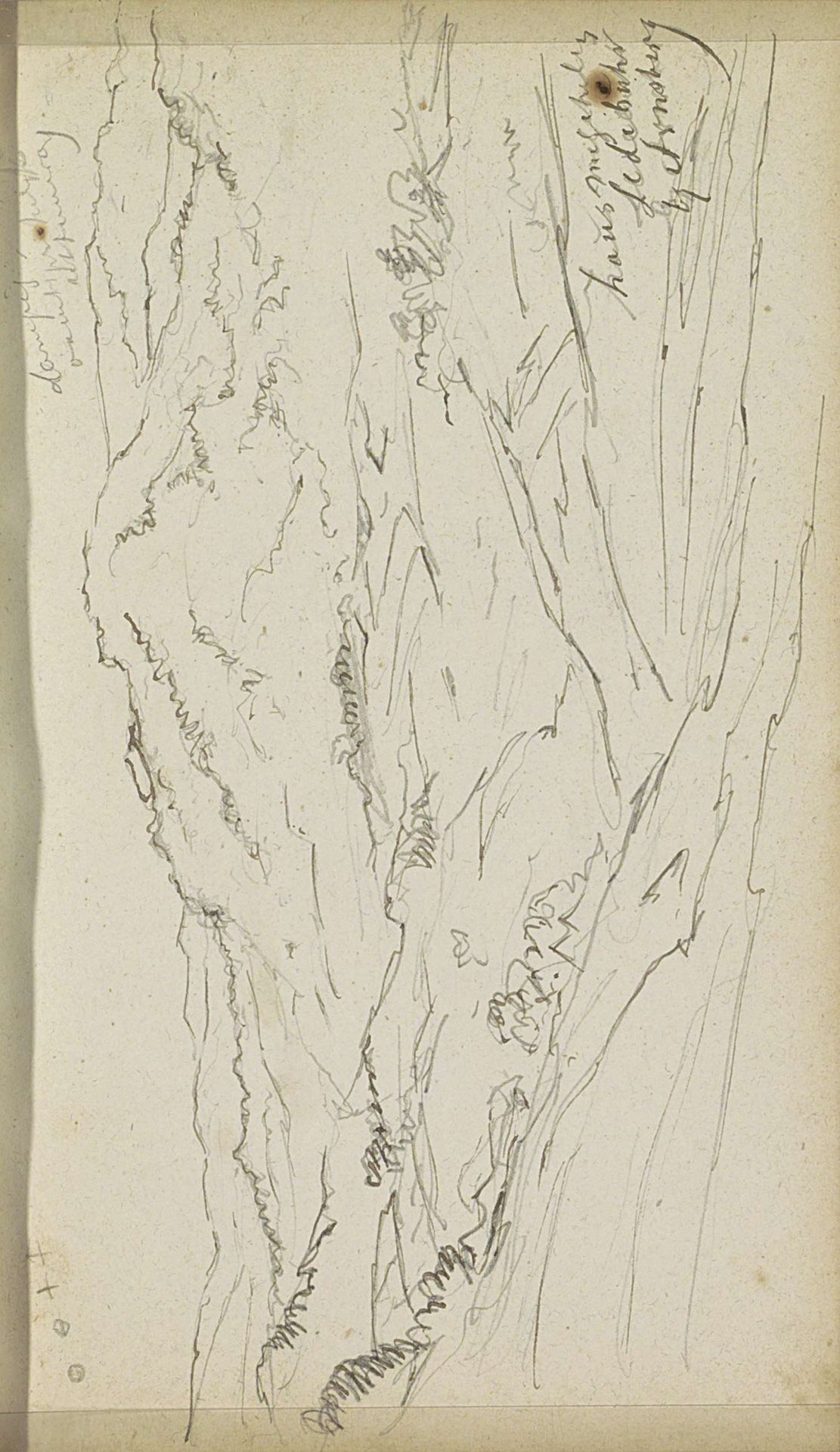
Johannes Tavenraat created this pencil drawing of the Ruhr valley landscape near Arnsberg in the 19th century. During the 1800s, there was an increased interest in landscape art, which can be seen as a reflection of broader cultural shifts. Rapid industrialization and urbanization in the 19th century led to a growing sense of nostalgia for the countryside and a longing for a simpler, more natural way of life. The Ruhr Valley, with its mix of industrial activity and natural beauty, became a popular subject for artists seeking to capture the changing face of Germany. The lines and composition of Tavenraat’s drawing serve as a reminder of the subjective interpretation inherent in landscape art. While seemingly straightforward, the image reflects the artist’s selective framing and emphasis, revealing the complex interplay between human perception, artistic expression, and the external world. To understand the context of this drawing, we might turn to local historical societies and archives, as well as literature and travel guides from the period. By examining the visual and textual sources, we can gain a deeper understanding of how the Ruhr Valley landscape was perceived and valued during Tavenraat’s time.
Heuvellandschap aan de Ruhr bij Arnsberg
after 1854

Johannes Tavenraat
1809 - 1881Location
RijksmuseumArtwork details
- Medium
- drawing, pencil
- Location
- Rijksmuseum
- Copyright
- Rijks Museum: Open Domain
Tags
Comments
Share your thoughts
About this artwork
Johannes Tavenraat created this pencil drawing of the Ruhr valley landscape near Arnsberg in the 19th century. During the 1800s, there was an increased interest in landscape art, which can be seen as a reflection of broader cultural shifts. Rapid industrialization and urbanization in the 19th century led to a growing sense of nostalgia for the countryside and a longing for a simpler, more natural way of life. The Ruhr Valley, with its mix of industrial activity and natural beauty, became a popular subject for artists seeking to capture the changing face of Germany. The lines and composition of Tavenraat’s drawing serve as a reminder of the subjective interpretation inherent in landscape art. While seemingly straightforward, the image reflects the artist’s selective framing and emphasis, revealing the complex interplay between human perception, artistic expression, and the external world. To understand the context of this drawing, we might turn to local historical societies and archives, as well as literature and travel guides from the period. By examining the visual and textual sources, we can gain a deeper understanding of how the Ruhr Valley landscape was perceived and valued during Tavenraat’s time.
Comments
Share your thoughts