About this artwork
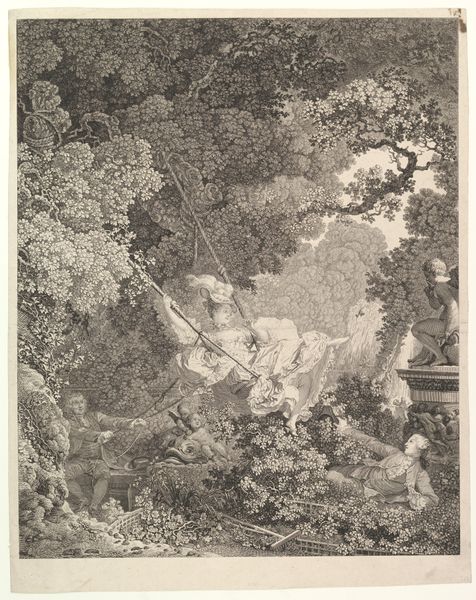
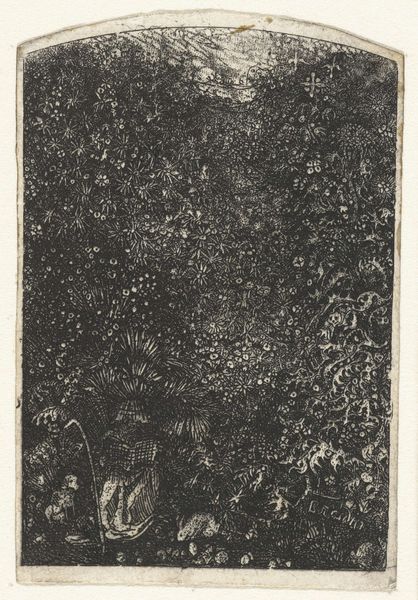
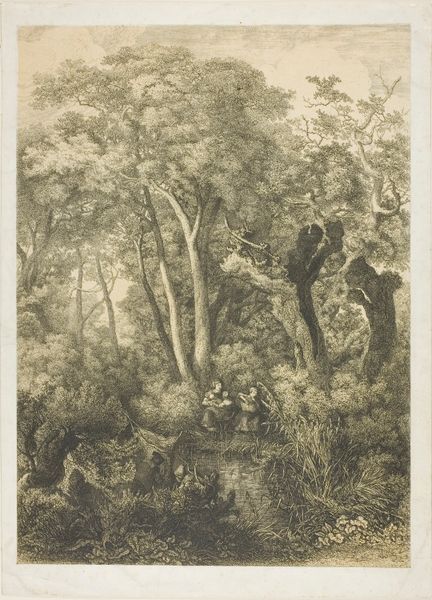
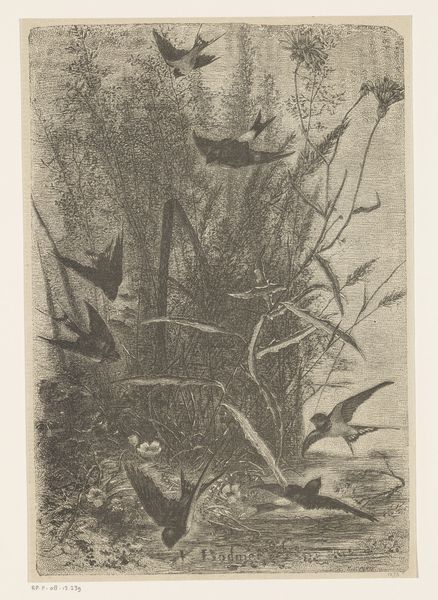
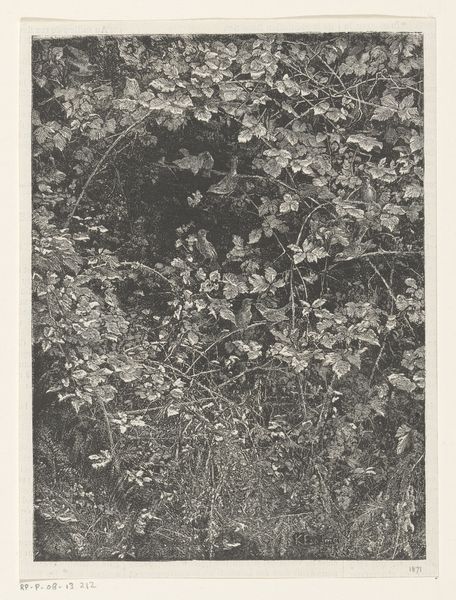
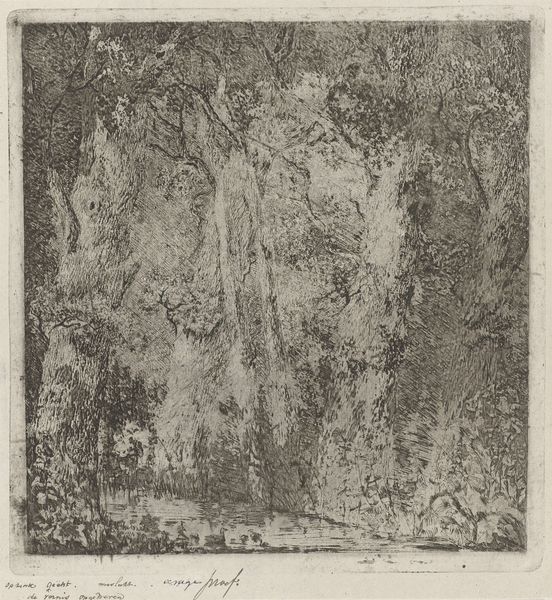
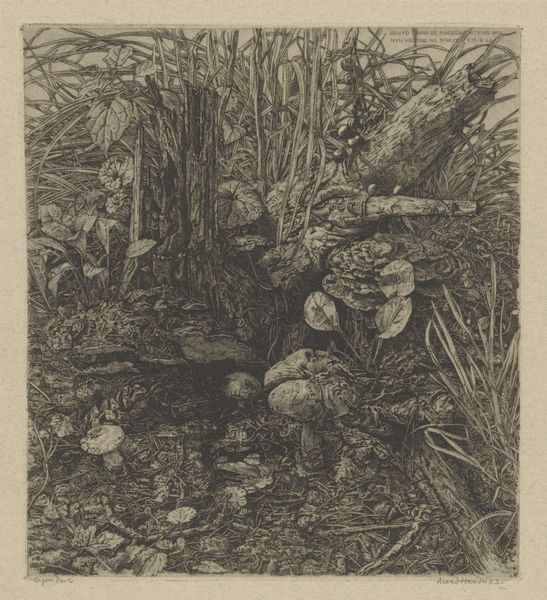
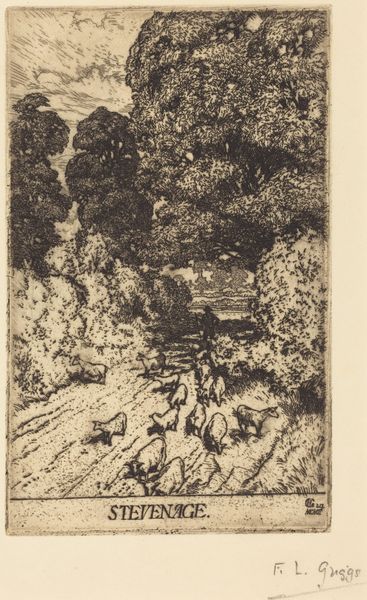
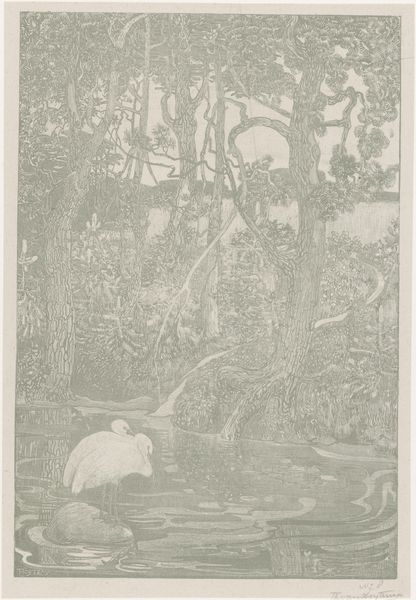
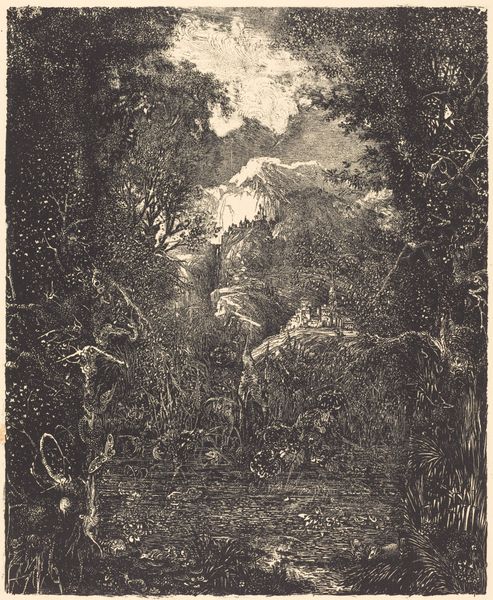
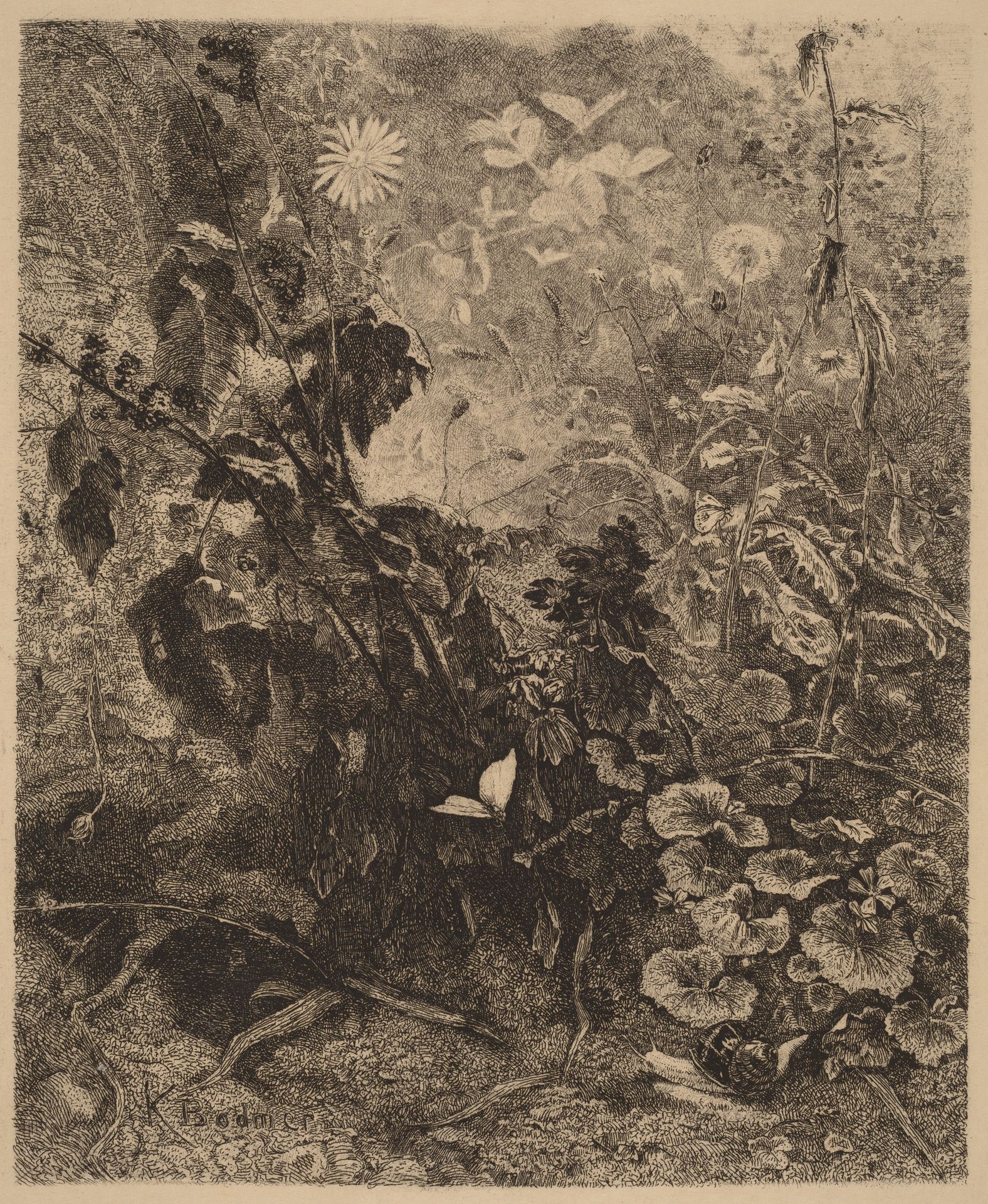
Karl Bodmer’s “Escargots et papillons” is a work on paper, made through the printmaking process of etching. Looking closely, you’ll see that this isn’t a quick sketch. The artist created this image by applying varnish to a metal plate, then drawing through it with a needle to expose the metal. Once dipped in acid, the exposed lines would be eaten away, creating grooves in the plate. Ink would then be applied, and the plate pressed to paper. This labor-intensive process allowed for multiple impressions to be made. Consider the amount of work involved. While not as immediate as painting, etching allowed artists like Bodmer to share their vision widely, participating in the burgeoning print market of the 19th century. This artwork challenges the traditional hierarchy between art and craft, revealing the profound skill and artistry embedded in printmaking.


Artwork details
- Medium
- print, engraving
- Copyright
- National Gallery of Art: CC0 1.0
Tags
Comments
Share your thoughts
About this artwork
Karl Bodmer’s “Escargots et papillons” is a work on paper, made through the printmaking process of etching. Looking closely, you’ll see that this isn’t a quick sketch. The artist created this image by applying varnish to a metal plate, then drawing through it with a needle to expose the metal. Once dipped in acid, the exposed lines would be eaten away, creating grooves in the plate. Ink would then be applied, and the plate pressed to paper. This labor-intensive process allowed for multiple impressions to be made. Consider the amount of work involved. While not as immediate as painting, etching allowed artists like Bodmer to share their vision widely, participating in the burgeoning print market of the 19th century. This artwork challenges the traditional hierarchy between art and craft, revealing the profound skill and artistry embedded in printmaking.
Comments
Share your thoughts