About this artwork
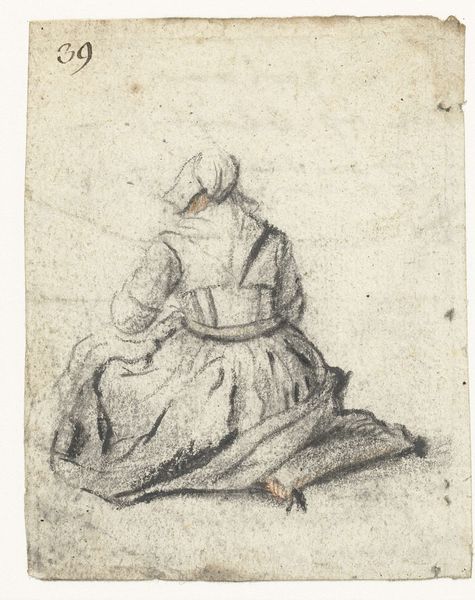
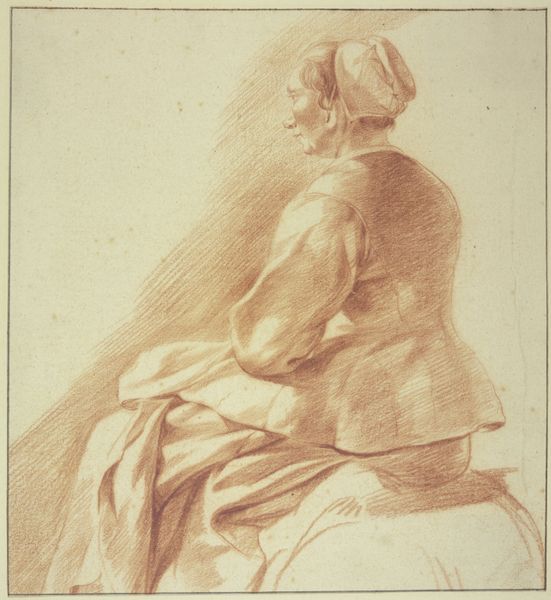
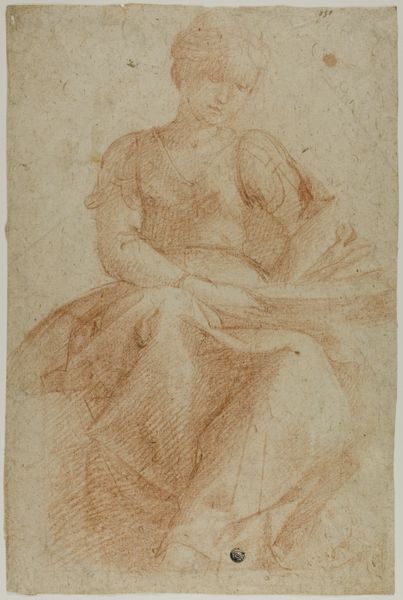
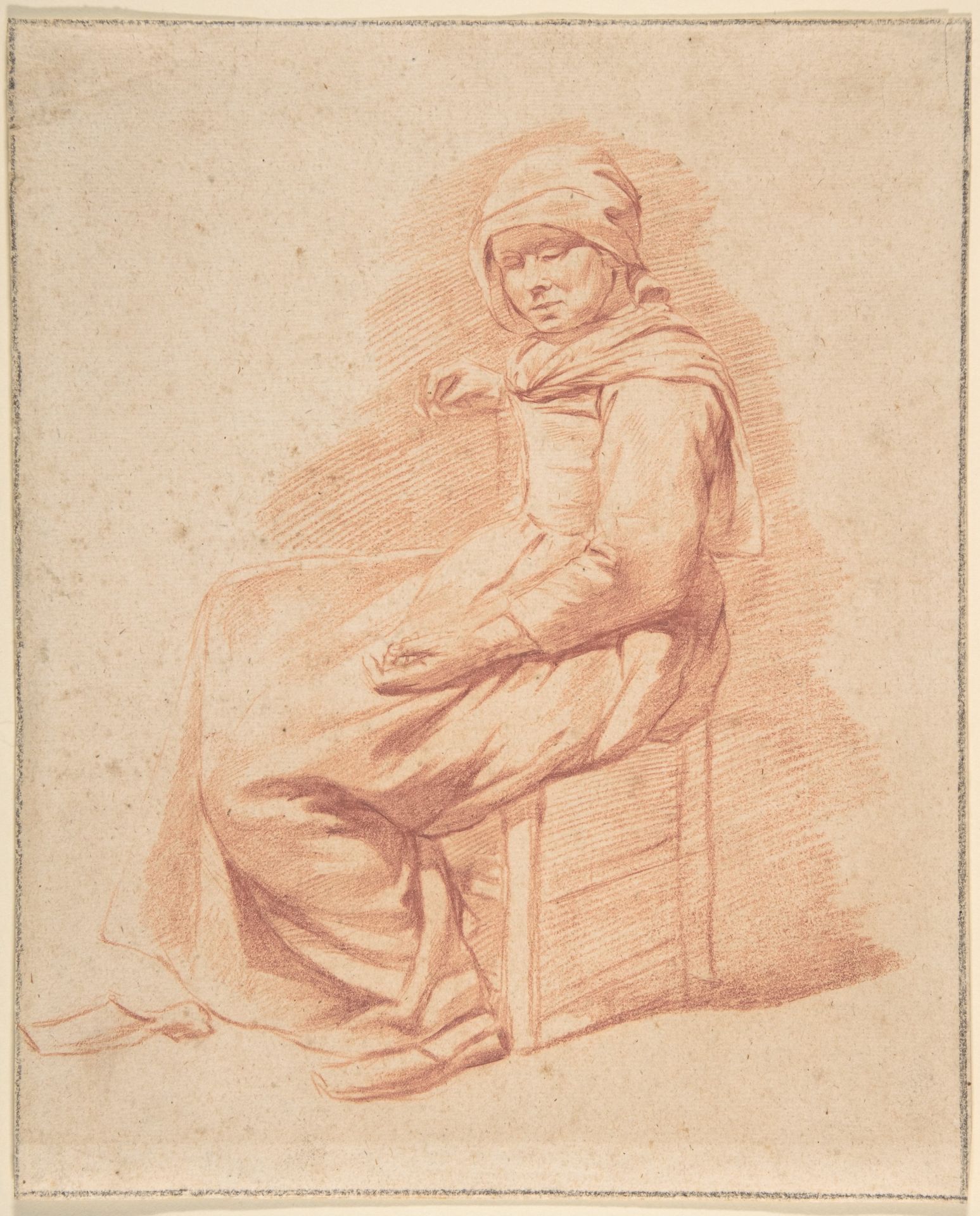
Gerrit Adriaensz Berckheyde made this red chalk drawing, "Seated Young Woman," in the Netherlands, sometime in the late 17th century. This work offers insight into the social dynamics of the Dutch Golden Age. The young woman’s modest attire, including a headscarf and simple dress, suggests her working-class status. The drawing’s focus on a common individual, rather than a noble or historical figure, reflects the Dutch Republic's evolving social values and the growing importance of everyday life as a subject for art. During this period, the Dutch art market thrived, fueled by a prosperous merchant class eager to acquire works that reflected their own experiences and values. To understand this drawing, we delve into the economic structures and social hierarchies of the time. By consulting period documents, such as census records, and studies of Dutch fashion, we can better understand the context in which Berckheyde created this image. Such research helps us understand the power of art to reflect, and perhaps even challenge, prevailing social norms.
Seated Young Woman
1650 - 1698

Gerrit Adriaensz Berckheyde
1638 - 1698
The Metropolitan Museum of Art
Metropolitan Museum of Art, New York, NYArtwork details
- Medium
- drawing, print, paper, pen
- Dimensions
- 8-1/4 x 6-3/4 in. (21.0 x 17.1 cm)
- Location
- Metropolitan Museum of Art, New York, NY
- Copyright
- Public Domain
Tags
Comments
Share your thoughts
About this artwork
Gerrit Adriaensz Berckheyde made this red chalk drawing, "Seated Young Woman," in the Netherlands, sometime in the late 17th century. This work offers insight into the social dynamics of the Dutch Golden Age. The young woman’s modest attire, including a headscarf and simple dress, suggests her working-class status. The drawing’s focus on a common individual, rather than a noble or historical figure, reflects the Dutch Republic's evolving social values and the growing importance of everyday life as a subject for art. During this period, the Dutch art market thrived, fueled by a prosperous merchant class eager to acquire works that reflected their own experiences and values. To understand this drawing, we delve into the economic structures and social hierarchies of the time. By consulting period documents, such as census records, and studies of Dutch fashion, we can better understand the context in which Berckheyde created this image. Such research helps us understand the power of art to reflect, and perhaps even challenge, prevailing social norms.
Comments
Share your thoughts