1763
Fascicule I

Jean Claude Richard, Abbé de Saint-Non
1727 - 1791
Minneapolis Institute of Art
Minneapolis Institute of ArtListen to curator's interpretation
Curatorial notes
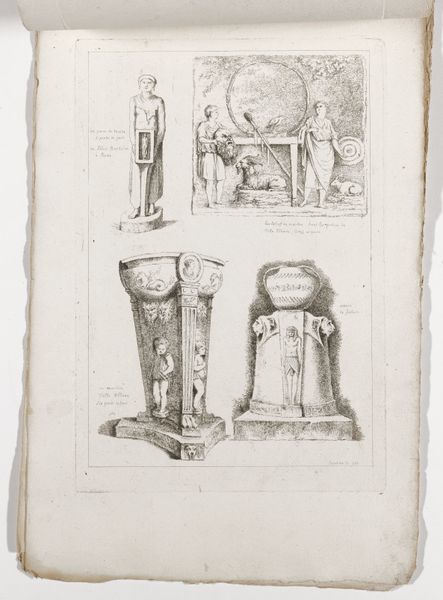
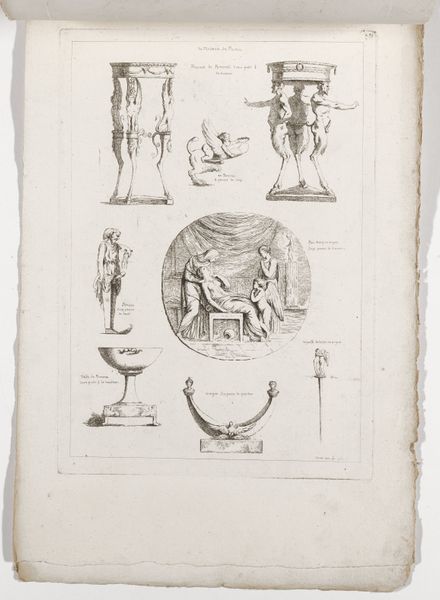
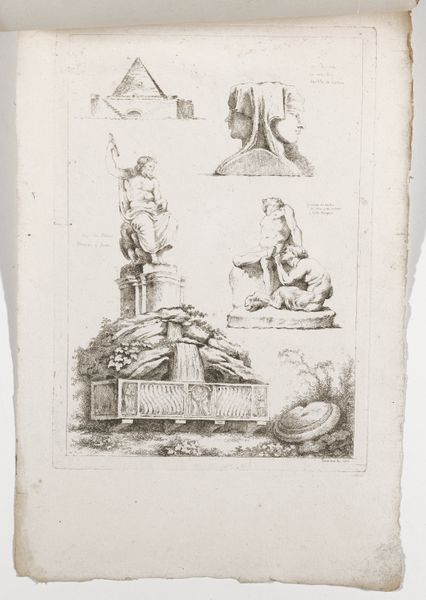
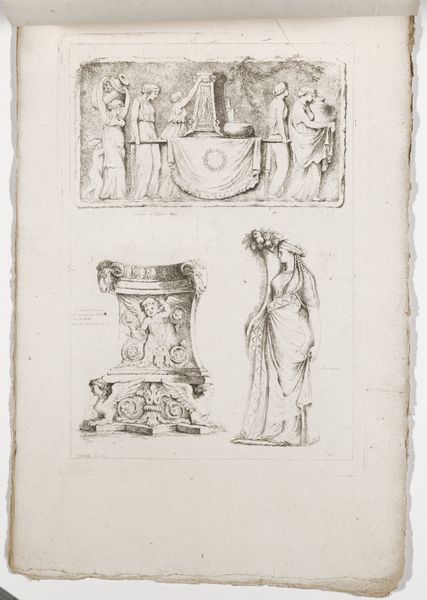
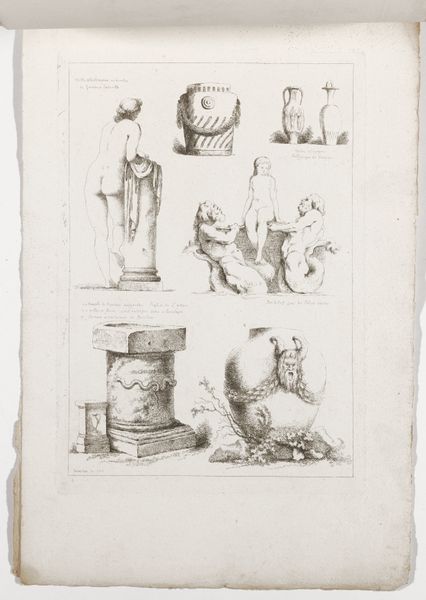
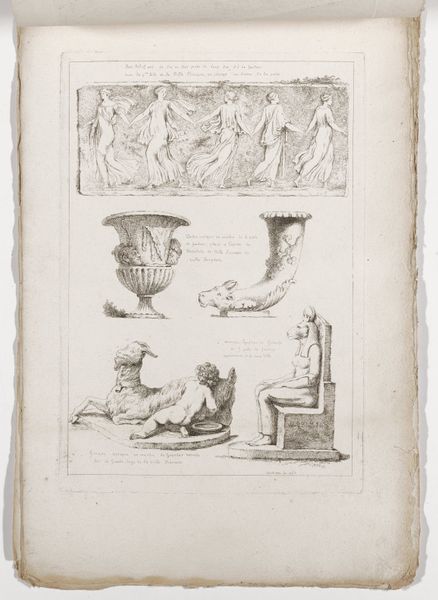
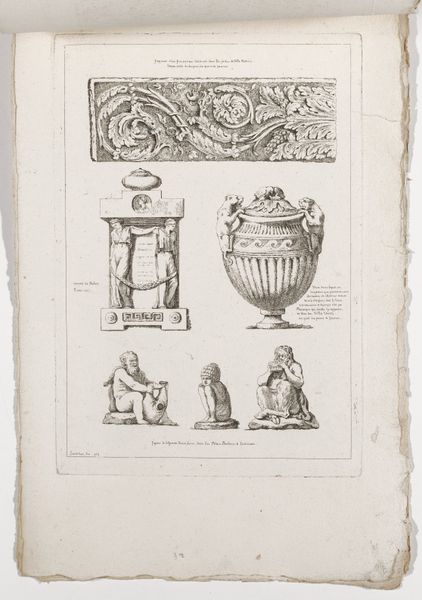
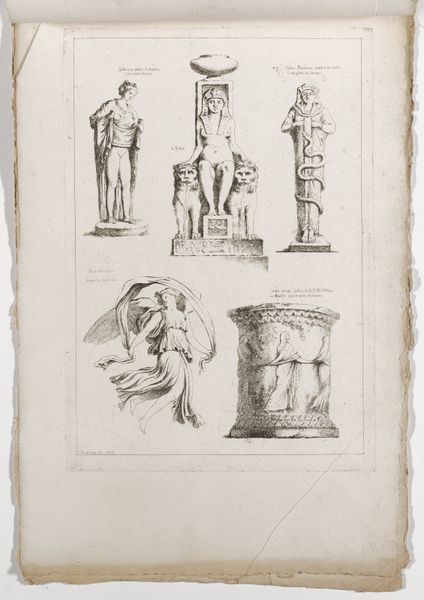
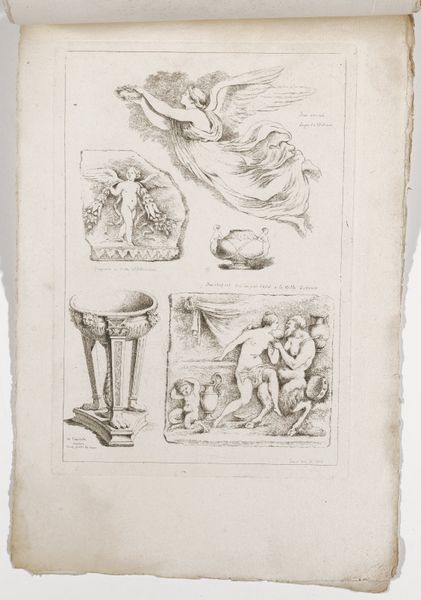
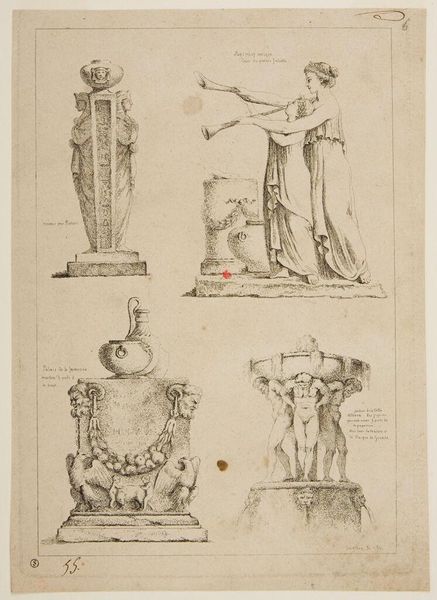
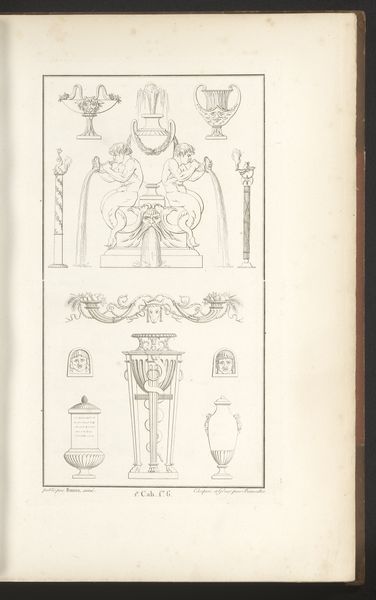
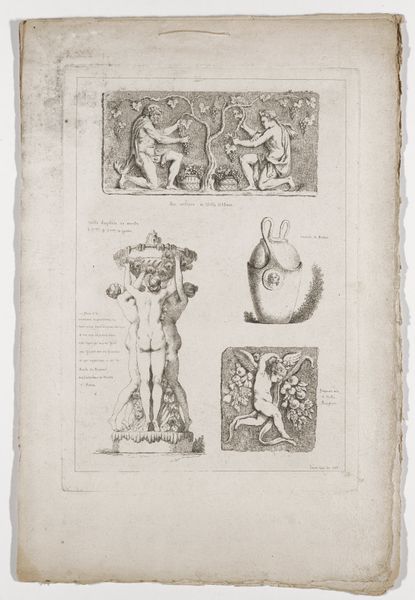
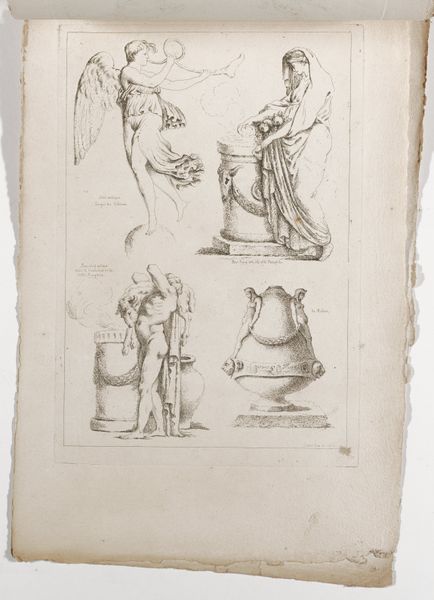
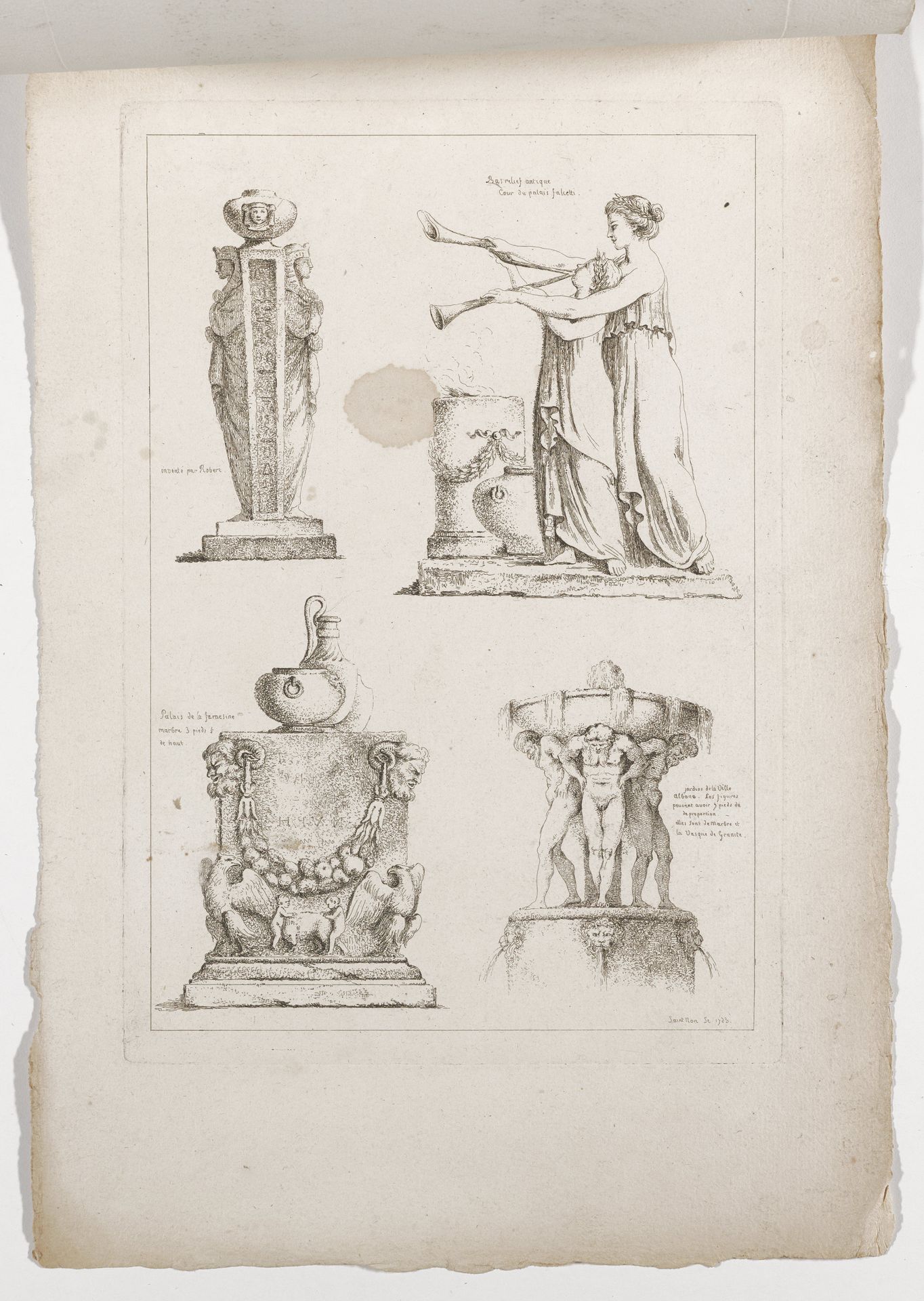
This print, Fascicule I, was made by Jean Claude Richard, Abbé de Saint-Non, in France in the late 18th century, using etching. It presents designs for classically inspired ornaments, such as a fountain and a vase. It's interesting to consider the fashion for classical antiquity that swept Europe at this time, known as Neoclassicism. This was encouraged by institutions such as the French Academy, who believed that the art of ancient Greece and Rome embodied timeless ideals of beauty and order. Fascicule I reflects this taste, with its symmetrical compositions and idealized figures. But Neoclassicism also had a political dimension. Artists and patrons saw the Roman Republic as a model for modern states, with its emphasis on civic virtue. The challenge for historians is to investigate how the ideals of the classical world were adapted and transformed in response to the social and political conditions of the 18th century, using sources like letters, diaries, and official records. This helps us understand the public role of art.