About this artwork
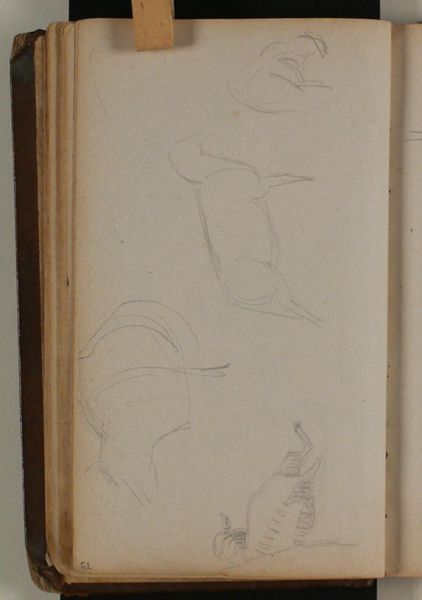
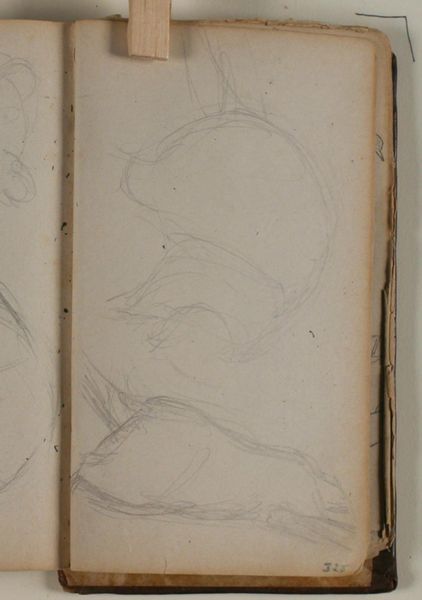
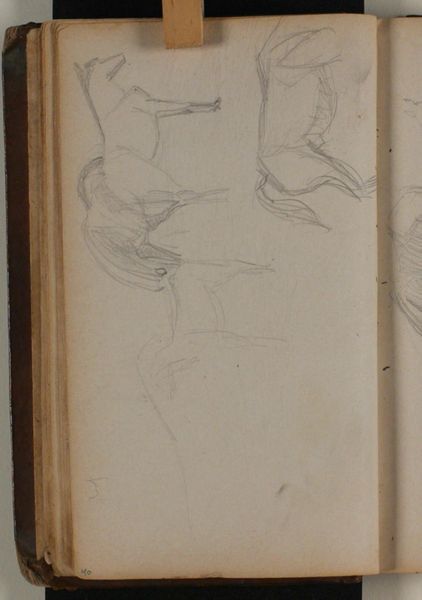
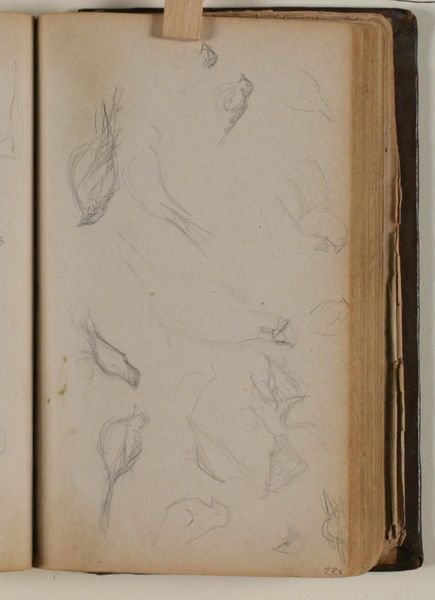
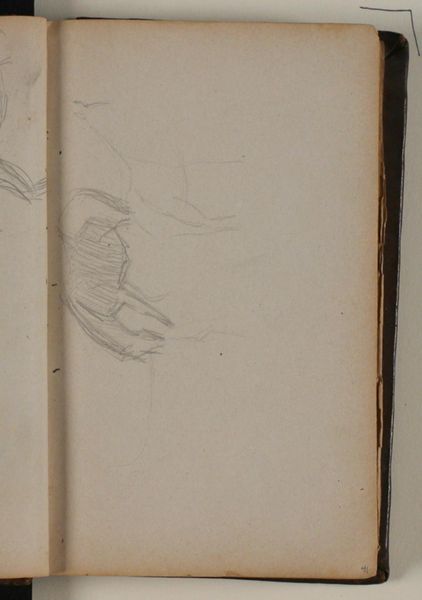
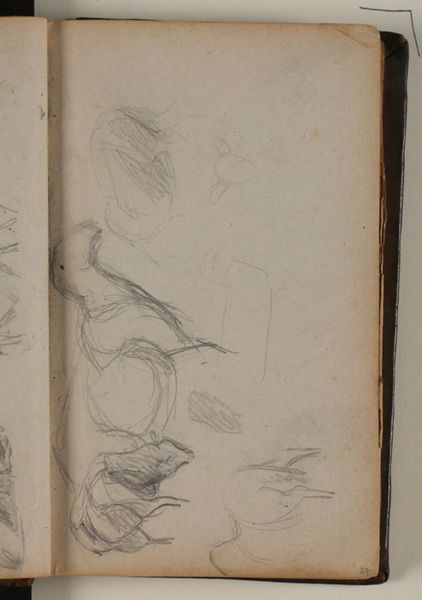
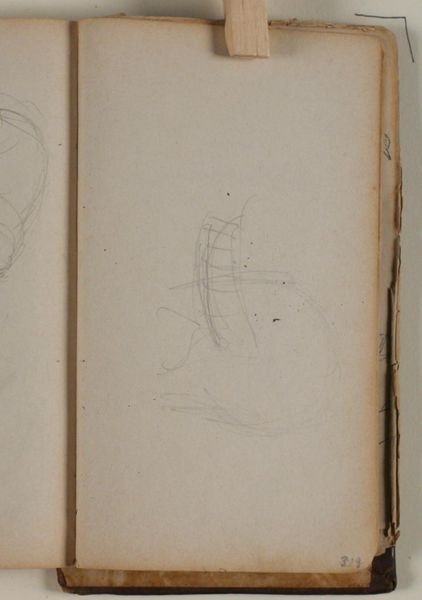
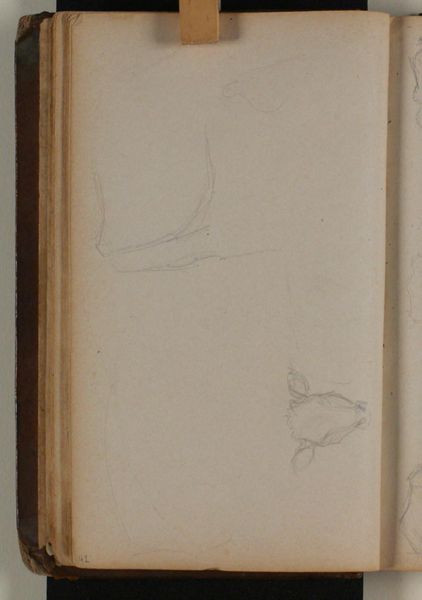
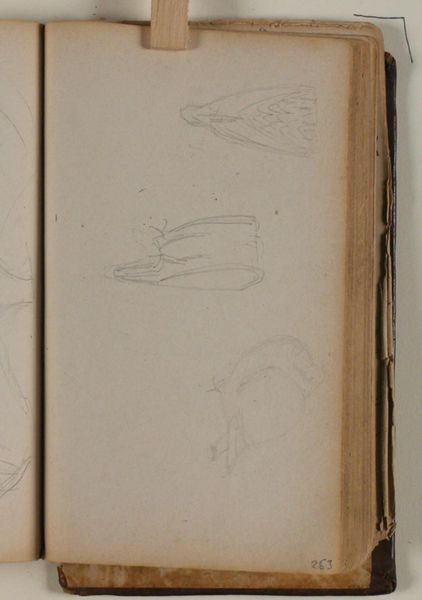
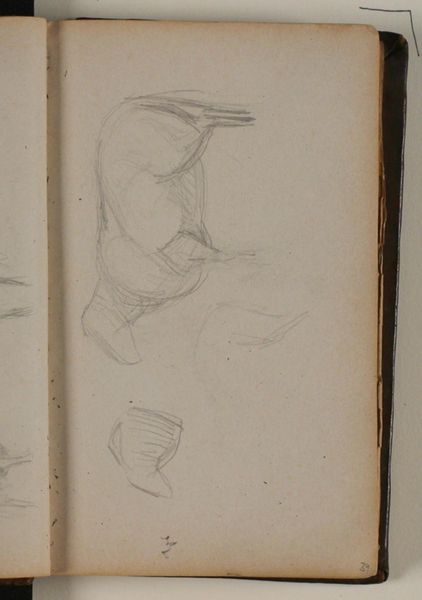
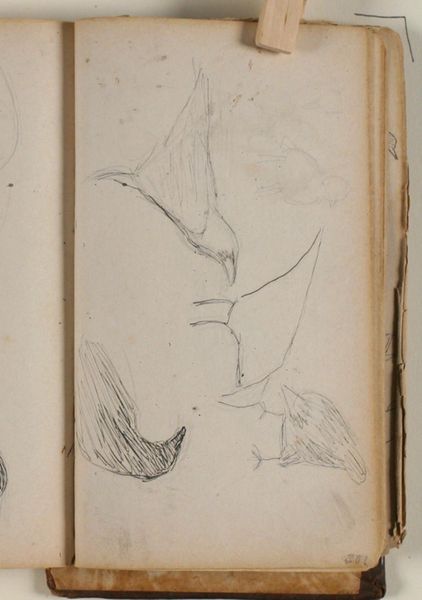
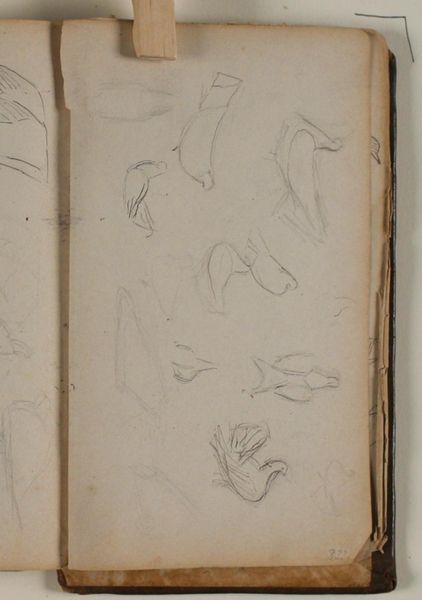
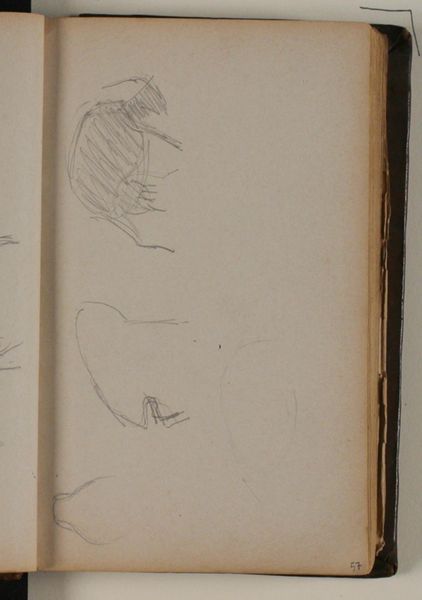
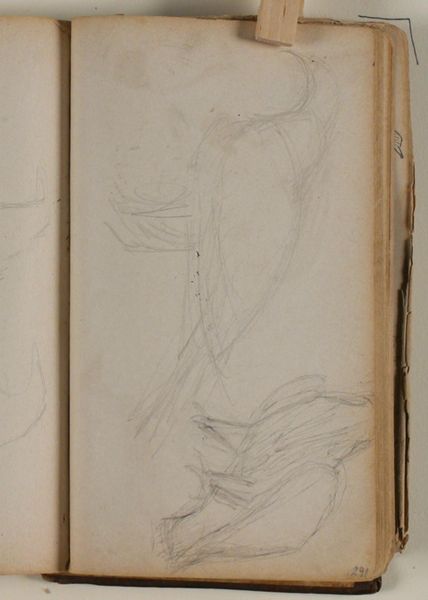
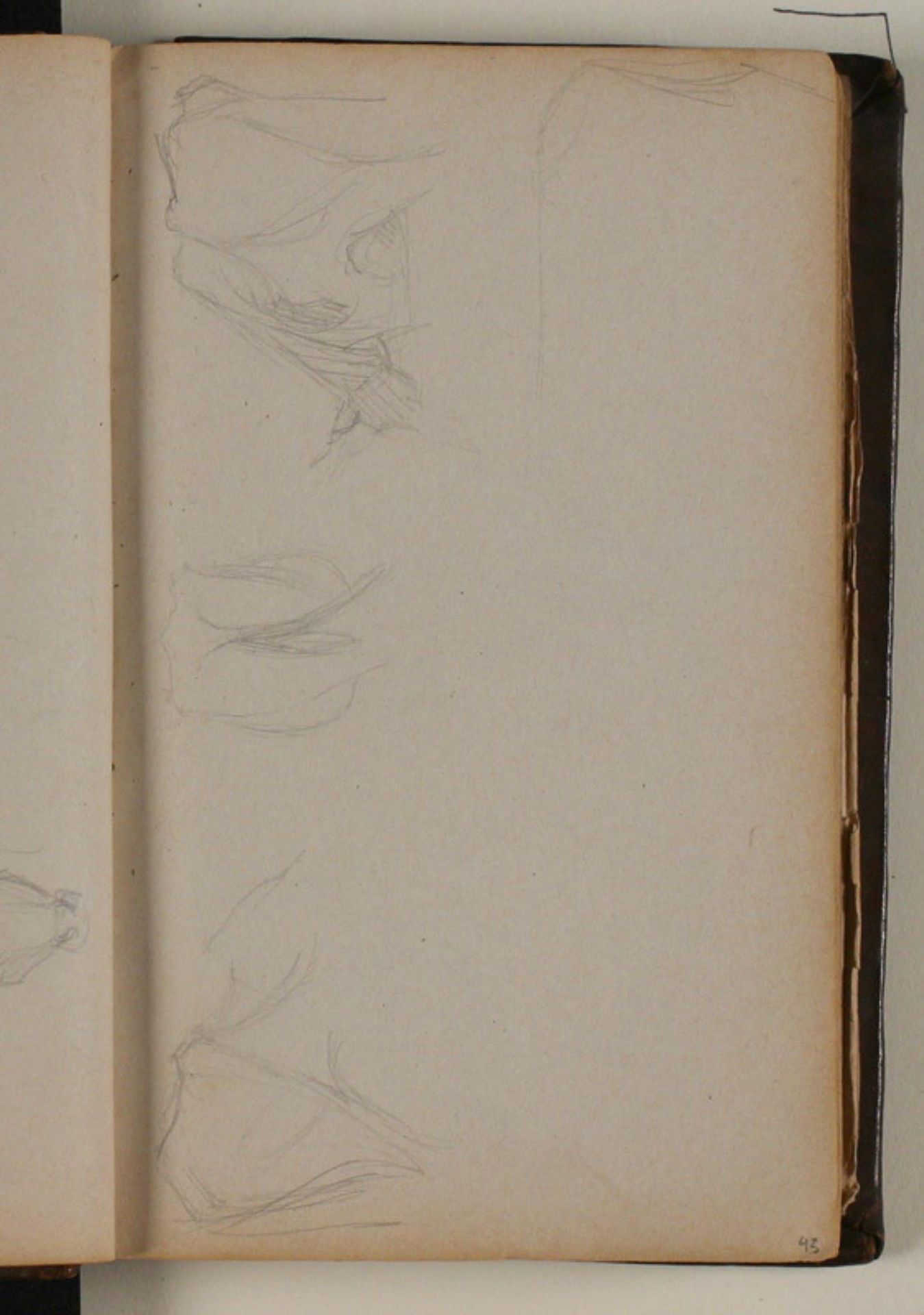
Here is a page of cow studies by Niels Larsen Stevns, drawn with graphite on paper. These aren’t traditional “fine art” materials like oil paint or bronze, but the simple combination of paper and pencil gives them their particular immediacy. The light graphite marks seem to capture the essence of the animals with minimum effort. The quick sketches almost appear like a shorthand, as though Stevns is seeking to understand the underlying forms through the act of drawing. This page comes from a sketchbook, an intimate space for experimenting, and it reveals the artist’s working process. The choice of graphite, a readily available material, echoes the humble subject matter. It speaks to the everyday labor of dairy farming and the animal’s role in it. Stevns elevates the quotidian through the simple act of close observation and artistic representation. Appreciating these studies can challenge our assumptions about what subjects are worthy of artistic attention, and what materials are worth using to make it.
Studier af køer
1864 - 1941


Artwork details
- Medium
- drawing, paper, pencil
- Dimensions
- 162 mm (height) x 98 mm (width) (monteringsmaal)
- Location
- SMK - Statens Museum for Kunst
Tags
Comments
Share your thoughts
About this artwork
Here is a page of cow studies by Niels Larsen Stevns, drawn with graphite on paper. These aren’t traditional “fine art” materials like oil paint or bronze, but the simple combination of paper and pencil gives them their particular immediacy. The light graphite marks seem to capture the essence of the animals with minimum effort. The quick sketches almost appear like a shorthand, as though Stevns is seeking to understand the underlying forms through the act of drawing. This page comes from a sketchbook, an intimate space for experimenting, and it reveals the artist’s working process. The choice of graphite, a readily available material, echoes the humble subject matter. It speaks to the everyday labor of dairy farming and the animal’s role in it. Stevns elevates the quotidian through the simple act of close observation and artistic representation. Appreciating these studies can challenge our assumptions about what subjects are worthy of artistic attention, and what materials are worth using to make it.
Comments
Share your thoughts