1550 - 1650
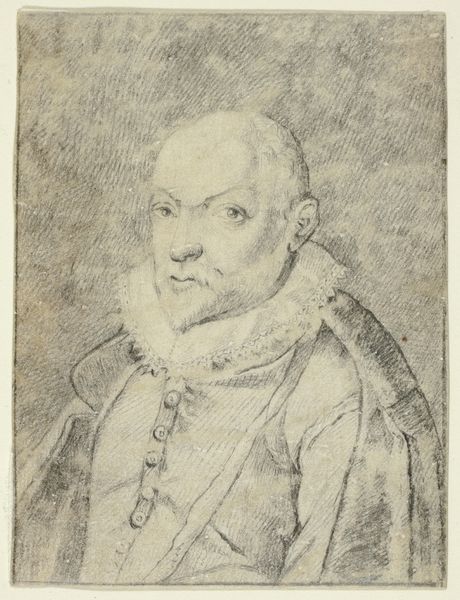
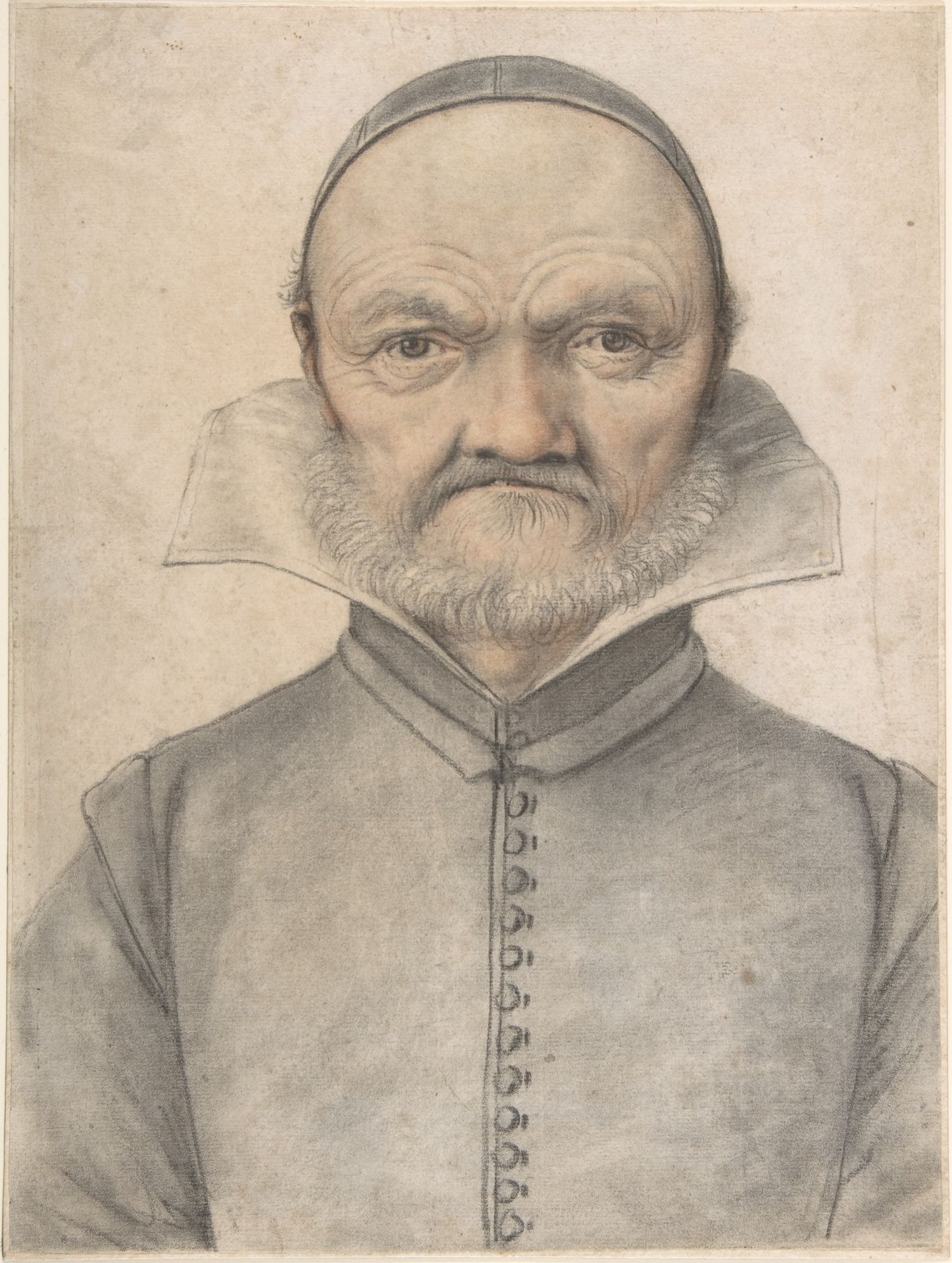
Portrait of a Man


Listen to curator's interpretation
Curatorial notes
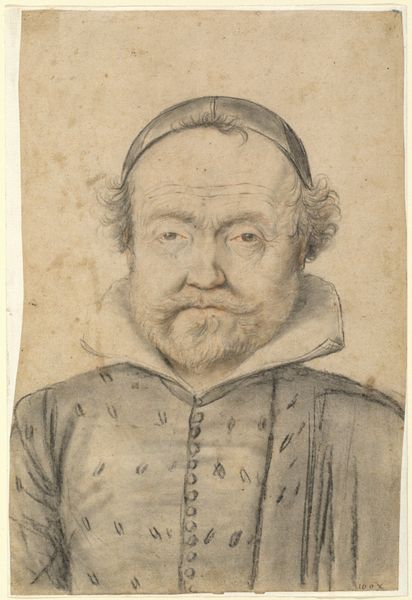
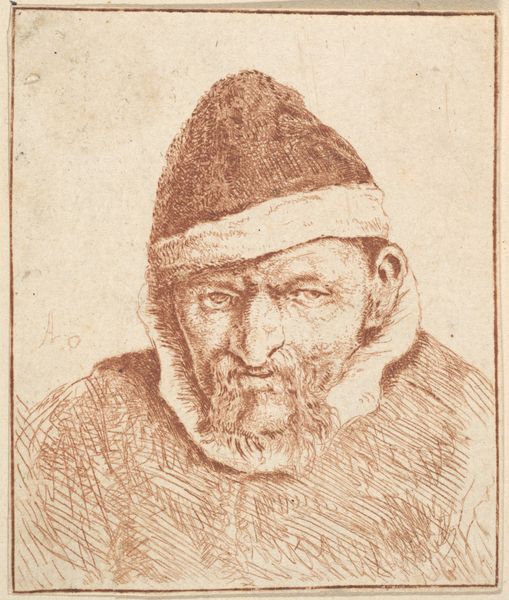
Editor: So, here we have "Portrait of a Man," created sometime between 1550 and 1650, and currently residing at the Met. It’s a drawing, perhaps a preparatory sketch. He looks…intense, maybe even a bit severe. What do you see in this piece? Curator: Beyond the stern expression, I see a careful record of authority. Consider the period – the mid-16th to mid-17th century. This image isn't just about representing an individual, it's about conveying social standing and, perhaps, a connection to religious power. Do you notice how the clothing, though simply rendered, speaks to a certain status? Editor: The high collar and the close-fitting cap? They definitely feel…official. Almost like a uniform. Is there a sense of specific symbolism tied to these items? Curator: Absolutely. The clothing is emblematic. The precise, almost clinical, rendering suggests a desire for clarity and control – values very much prized during that era, especially in religious circles. It prompts the viewer to see this individual as more than just a man, but as a figure representing institutional power. The direct gaze is also quite telling, wouldn’t you agree? Editor: Yes! It’s almost confrontational. And it holds your attention. It definitely hints at a powerful position and unwavering confidence. It's amazing how much the visual language of clothing can communicate. Curator: Indeed. And reflecting on it helps to uncover our assumptions about how identity is shaped and displayed even today. The picture also opens the possibility for diverse interpretations – something to keep in mind as viewers consider historical and psychological connections with an image such as this one. Editor: That makes a lot of sense! Thank you – it’s amazing to think about how clothes act as symbols and to question assumptions that we may project.