1817
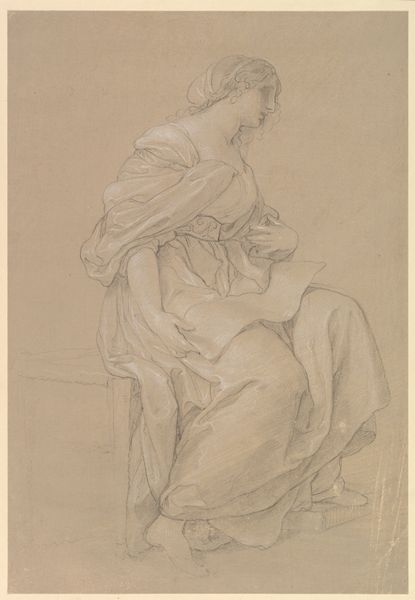
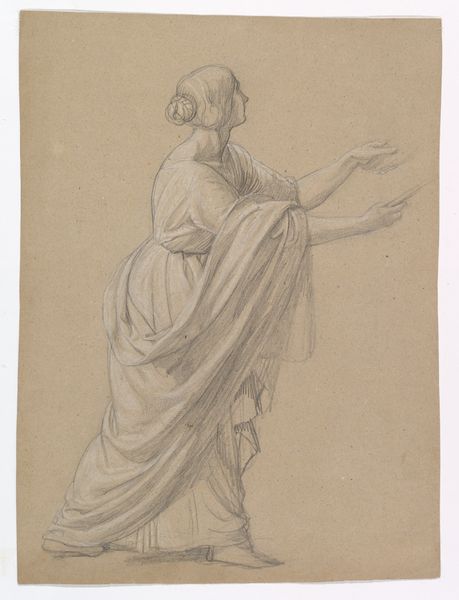
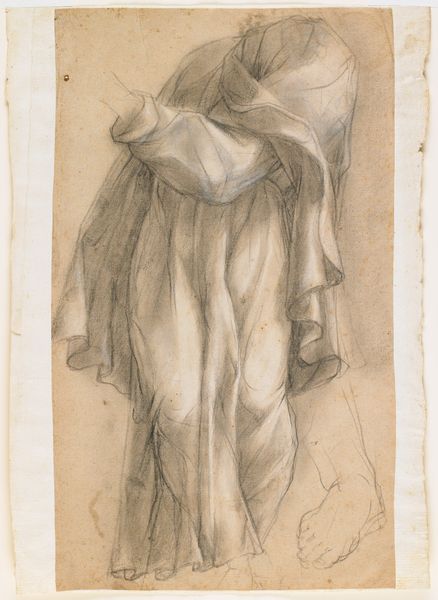
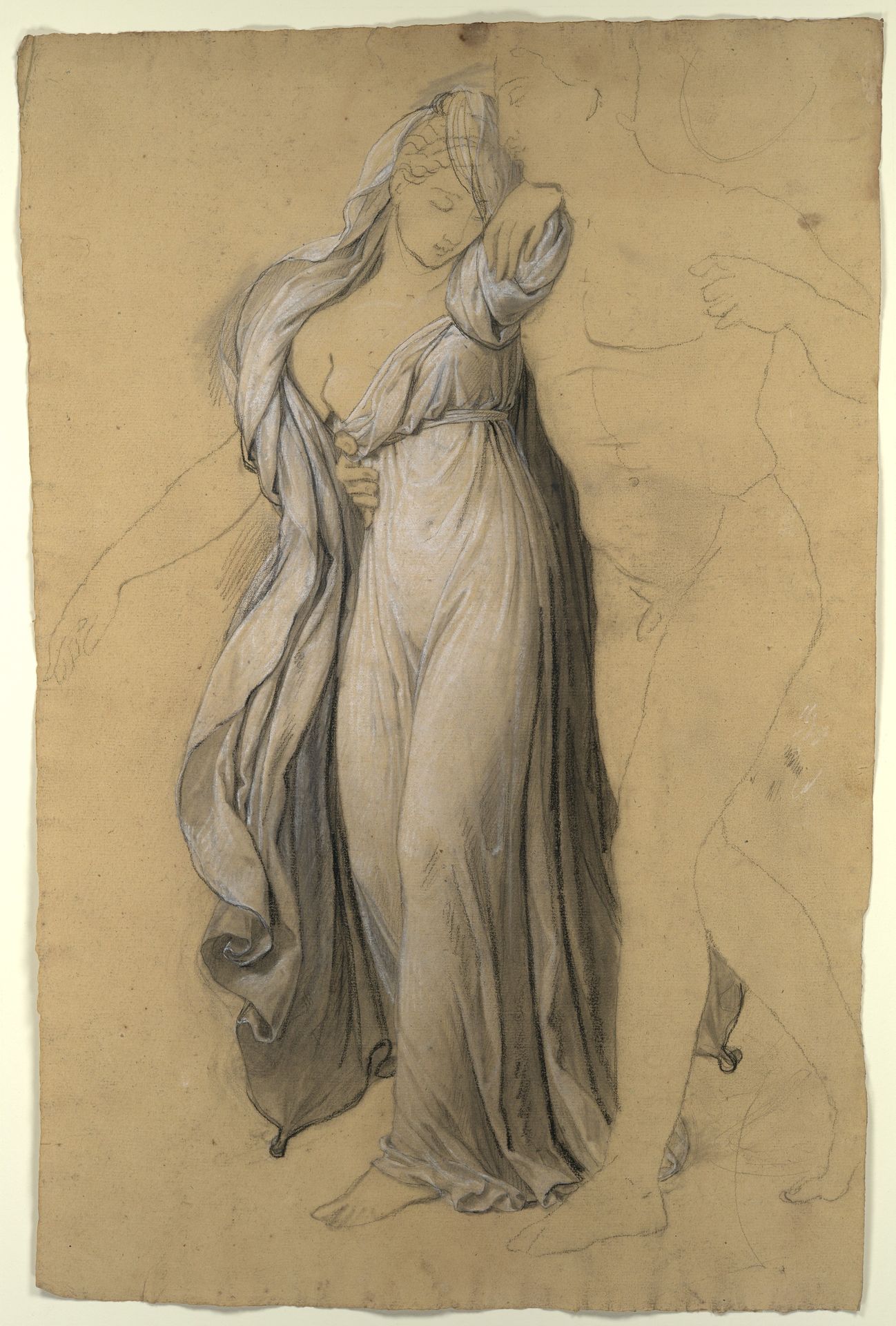
Drapery Study for "Castor and Pollux Freeing Helen"

Joseph-Ferdinand Lancrenon
1794 - 1874
The Metropolitan Museum of Art
Metropolitan Museum of Art, New York, NYListen to curator's interpretation
Curatorial notes
Joseph-Ferdinand Lancrenon created this drapery study for "Castor and Pollux Freeing Helen" using graphite, black and white chalk, and stumping on buff paper. The artwork is an academic exercise typical of French art education in the 19th century. Consider how the neoclassical style, seen in the idealized form and classical subject matter, reflects the values of the French Academy. This institution played a crucial role in shaping artistic taste and maintaining social order after the French Revolution. Note how Lancrenon's emphasis on drapery serves not only an aesthetic purpose, but also a social one. The flowing garments both reveal and conceal the body, navigating the complex politics of nudity and morality in 19th-century French society. Historians can draw on archival documents, such as academic records and critical reviews, to better understand the role of institutions like the Academy in shaping the production and reception of art. The meaning of Lancrenon's drawing shifts once we recognize how it’s tied to this specific social and institutional context.