About this artwork
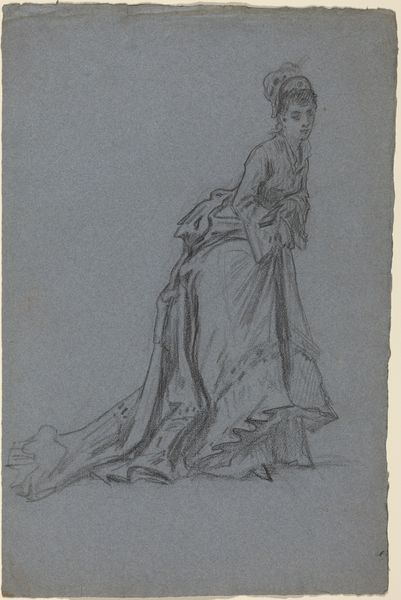
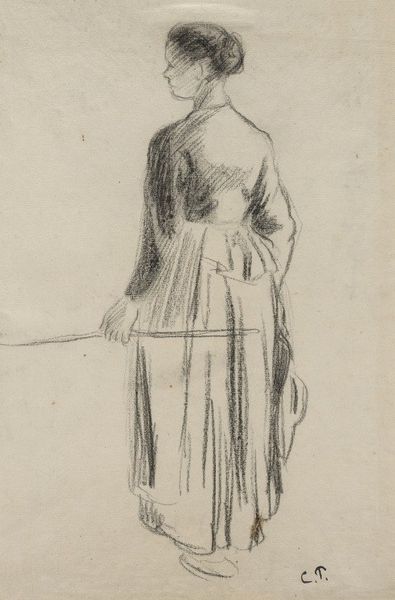
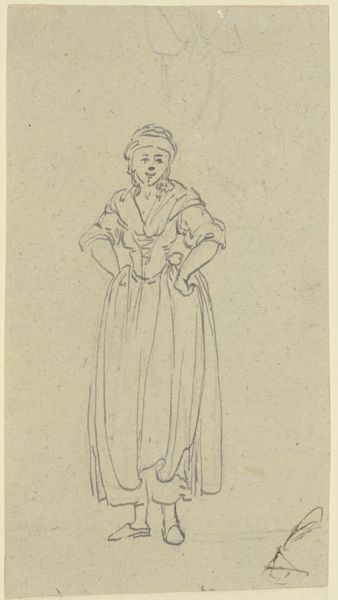
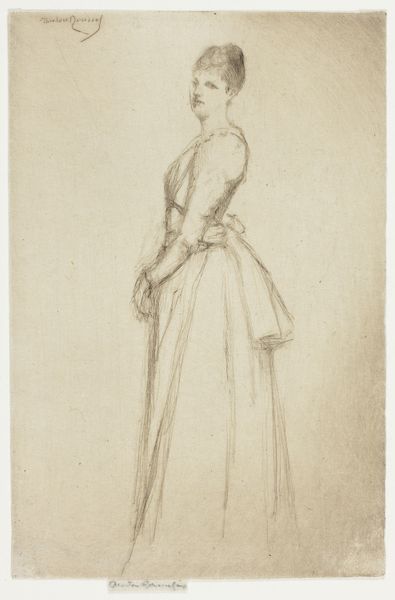
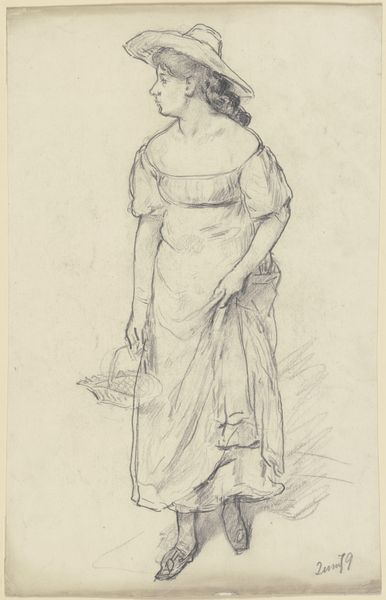
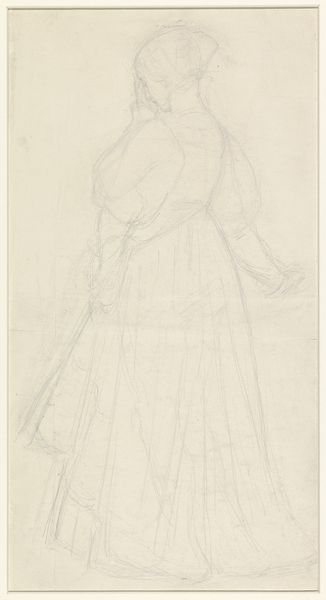
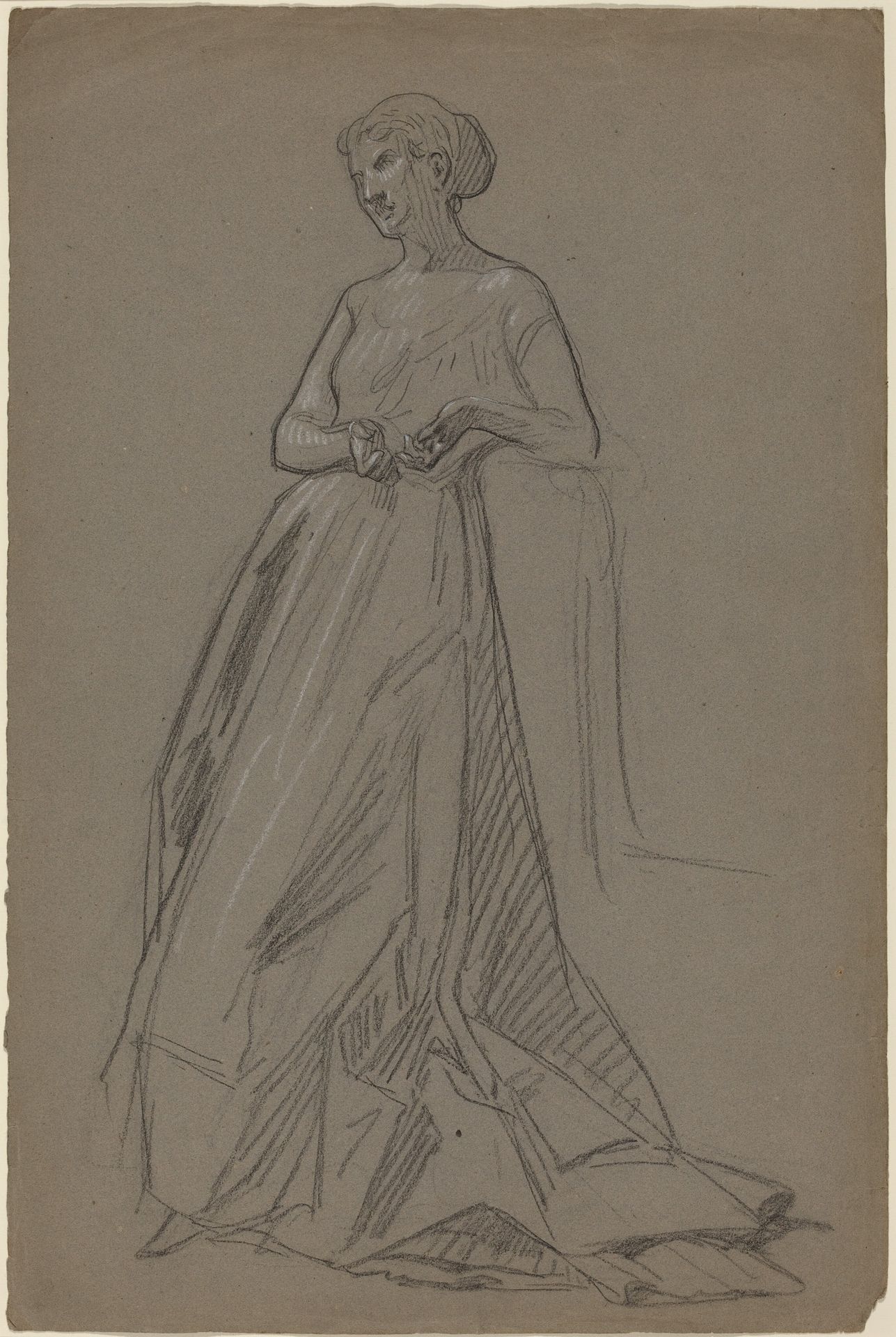
This drawing depicts a standing woman leaning on her elbow. The way she stands, the folds of her garment, these echoes resonate through time. Consider her pose: a slight contrapposto, reminiscent of classical statues, yet imbued with a modern, more casual grace. The gesture of leaning, seemingly simple, carries connotations of reflection and repose. We see echoes of this motif in countless depictions of muses, nymphs, and goddesses throughout art history. This posture of leaning is not merely physical, but psychological—a moment of contemplation, perhaps even weariness. This emotional weight, this subtle tension, is what transcends time. These gestures, passed down through generations of artists, tap into our collective memory, evoking feelings and associations that lie deep within the human psyche. The visual language of art, ever evolving, yet eternally bound to its roots.
Standing Woman Leaning on Her Elbow
c. 1890s


Artwork details
- Medium
- drawing, pencil
- Dimensions
- sheet: 48.6 x 32.2 cm (19 1/8 x 12 11/16 in.)
- Copyright
- National Gallery of Art: CC0 1.0
Tags
Comments
Share your thoughts
About this artwork
This drawing depicts a standing woman leaning on her elbow. The way she stands, the folds of her garment, these echoes resonate through time. Consider her pose: a slight contrapposto, reminiscent of classical statues, yet imbued with a modern, more casual grace. The gesture of leaning, seemingly simple, carries connotations of reflection and repose. We see echoes of this motif in countless depictions of muses, nymphs, and goddesses throughout art history. This posture of leaning is not merely physical, but psychological—a moment of contemplation, perhaps even weariness. This emotional weight, this subtle tension, is what transcends time. These gestures, passed down through generations of artists, tap into our collective memory, evoking feelings and associations that lie deep within the human psyche. The visual language of art, ever evolving, yet eternally bound to its roots.
Comments
Share your thoughts