1932
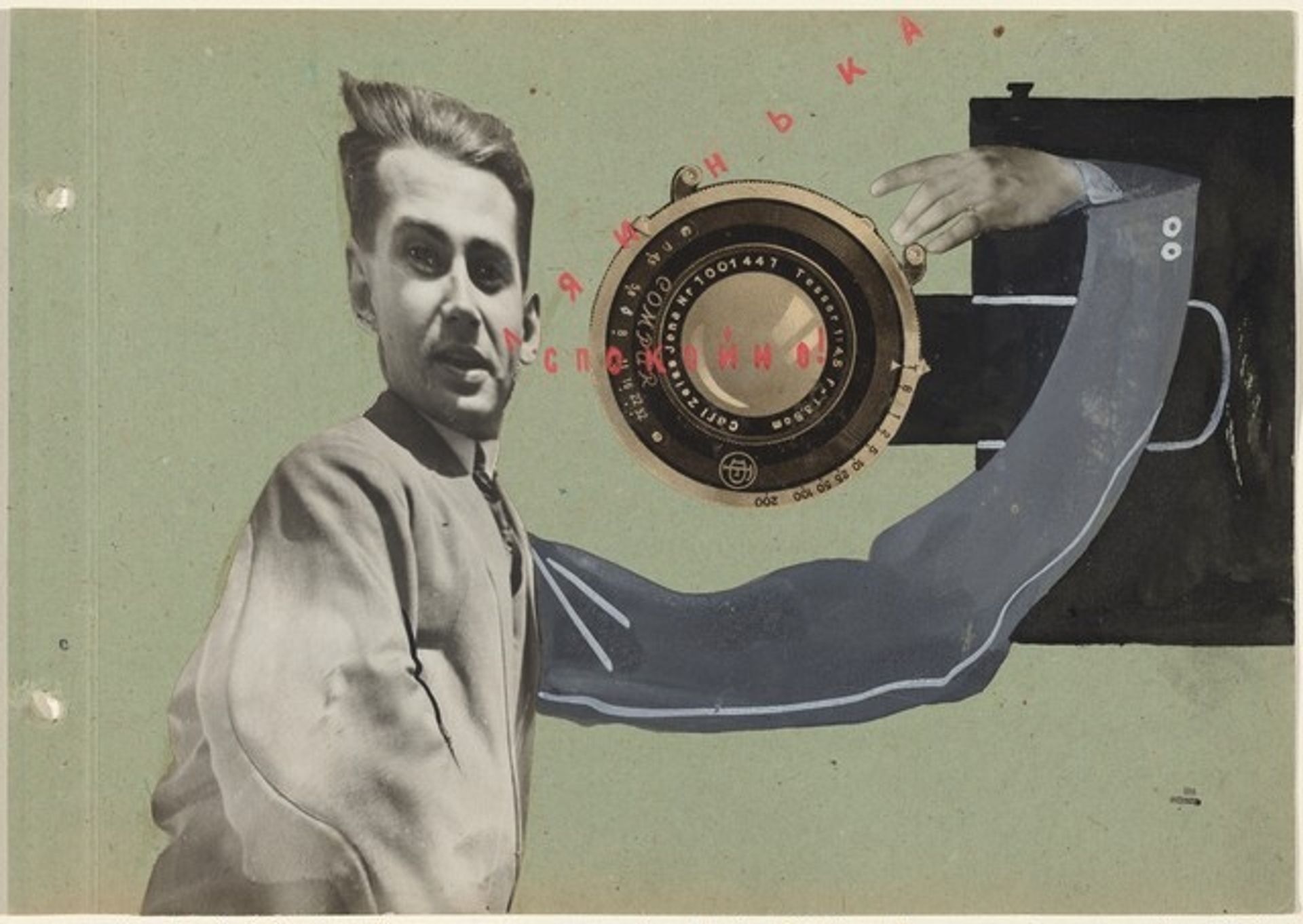
Self-Portrait with Camera


Listen to curator's interpretation
Curatorial notes
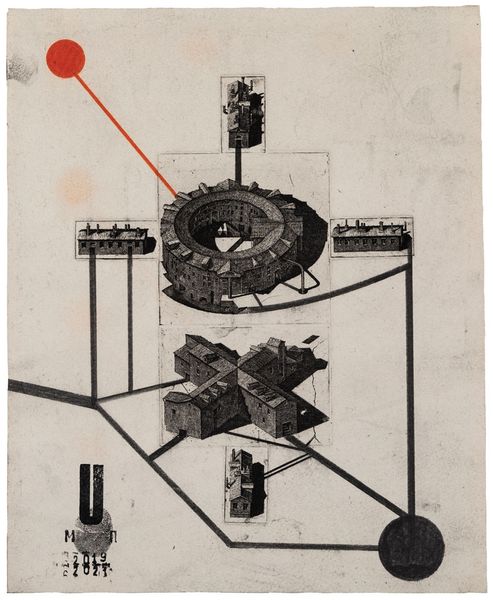
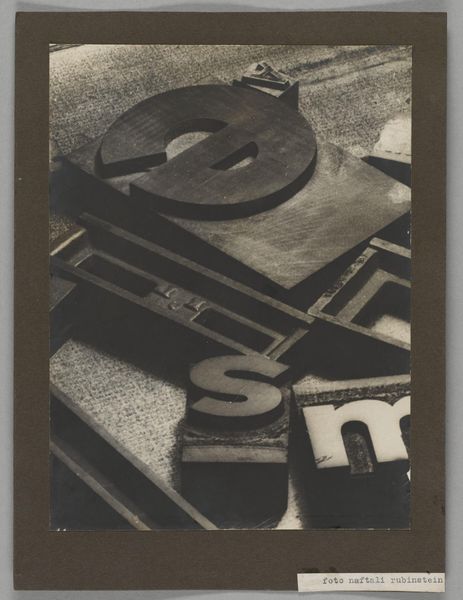
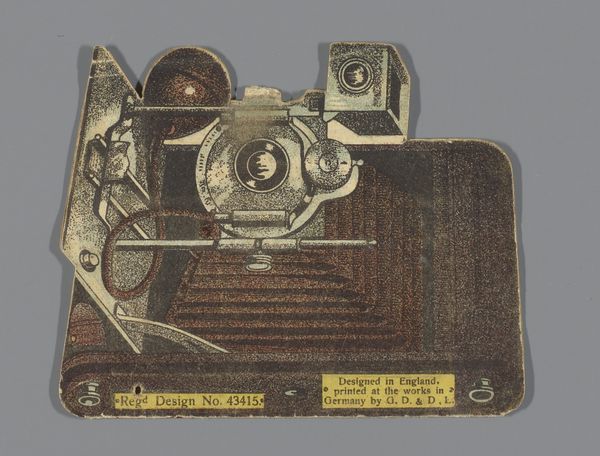
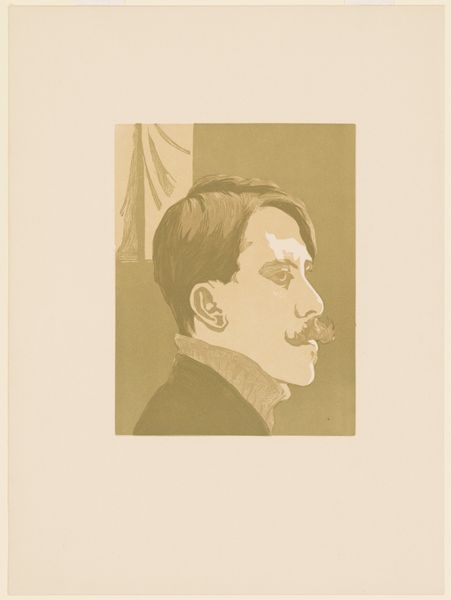
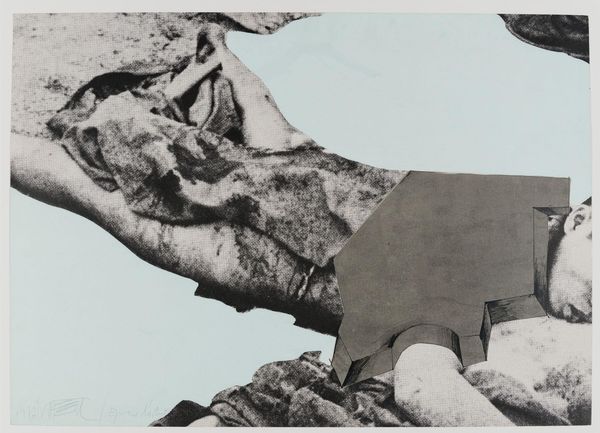
Editor: Here we have Alexander Zhitomirsky’s "Self-Portrait with Camera" from 1932. It's a photomontage – the artist uses photography, layering and juxtaposing images in such an interesting way. It feels very playful to me, almost like he’s deconstructing the act of photography itself. What’s your take? Curator: Absolutely. Let's consider the material reality of collage in the early 1930s, particularly in the Soviet context. Zhitomirsky's choice wasn't just aesthetic; it speaks to resourcefulness, to making art from readily available scraps—newsprint, photographs, whatever was at hand. Note the visible labor, the cut-and-paste nature of the work. It's not trying to hide its construction. How does this contrast to, say, a traditional oil painting? Editor: It’s less about illusionism, more about the concrete. The roughness almost feels like a critique of the slick, mass-produced imagery that was emerging at the time. Do you think the Russian Avant-Garde influenced his approach? Curator: Undeniably. Think of Constructivism, their focus on materials and process, their goal of bringing art into everyday life. Zhitomirsky, by using these found images, blurs the boundaries between "high art" and the ephemera of daily existence. Is he elevating these everyday materials or critiquing them? Perhaps both? Also, I encourage you to look at it from the perspective of labor too, each piece meticulously cut out and pasted into this artistic composition. Editor: That makes so much sense! He is using what he has available to create this amazing self-portrait. It becomes about so much more than just the image itself. Curator: Precisely. We begin to see it as a product of specific material conditions and artistic choices. It shifts the focus away from the artist's genius and more toward the process of making and the resources that make that possible. Editor: Wow, seeing it through that lens gives me a whole new appreciation for the work. Thanks!