About this artwork
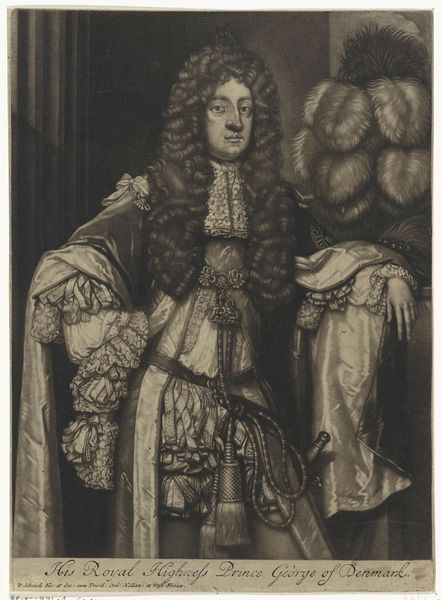
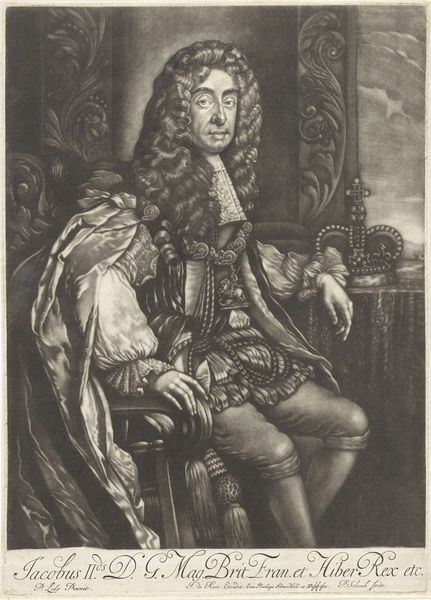
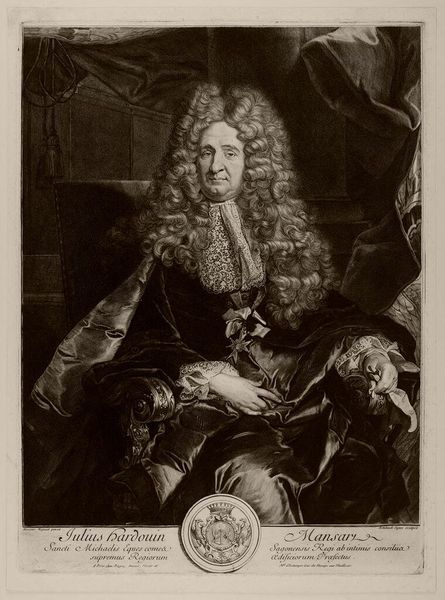
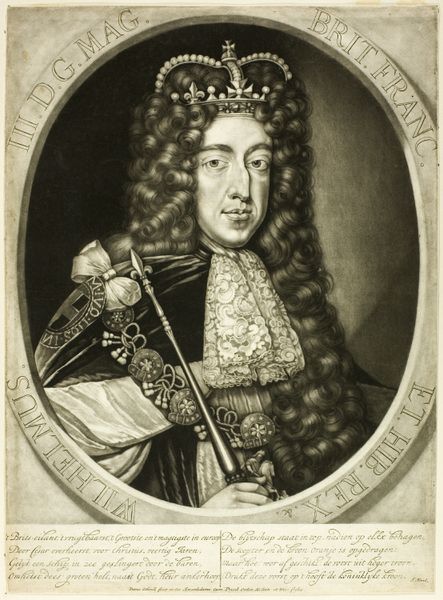
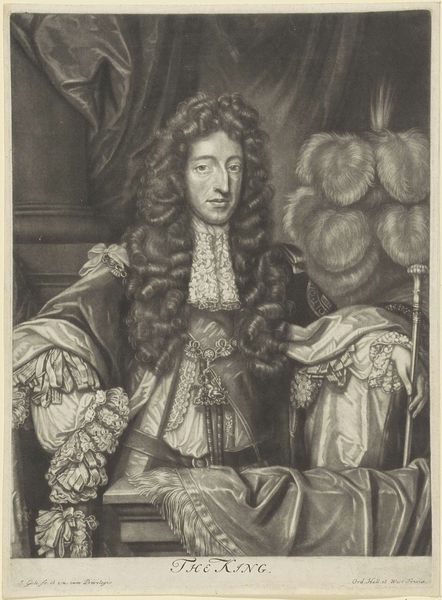
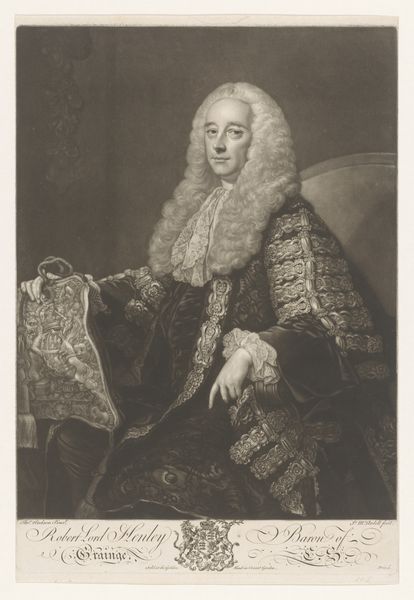
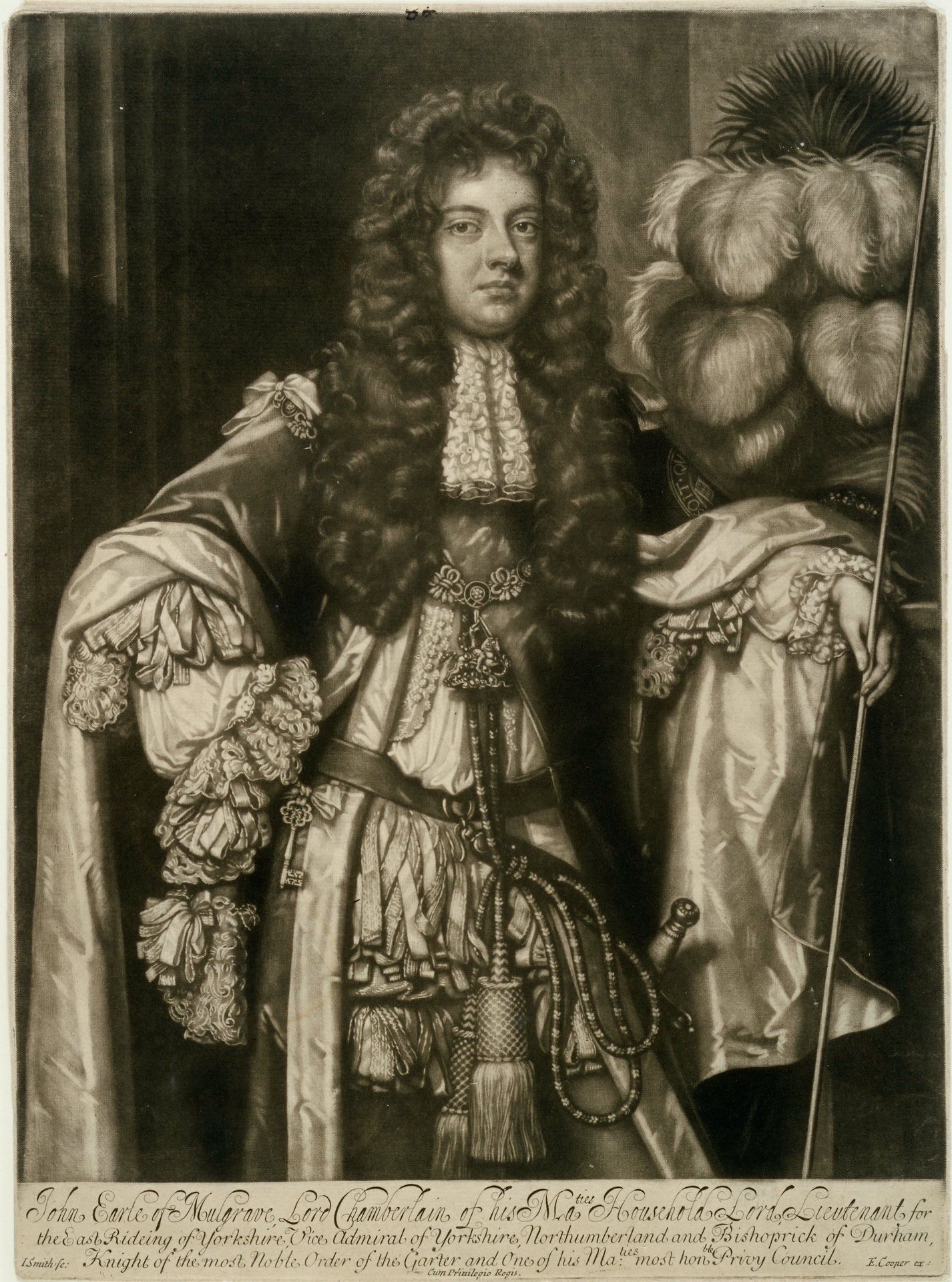
John Raphael Smith created this mezzotint portrait of John Sheffield. A print like this begins with a copper plate, which the artist roughens to create a field of tiny dots. Smoothing parts away yields lighter tones, and areas left rough print dark. Look closely, and you can see that the rich blacks that define Sheffield’s wig and clothing are achieved through the labor-intensive process of manipulating this plate. The subtleties in tone, creating the sheen on his coat and the delicate lace at his wrists, all rely on Smith's skilled handling of the material. Mezzotints like this one reflect the values of their time. Consider the amount of work it would take to achieve the desired effect of luxury and status. This wasn't just the printer's labor, but that of everyone who supplied the sitter with his finery. It prompts us to think about the social context of labor, politics, and consumption inherent in the work's production.
John Sheffield
c. 17th century


Artwork details
- Medium
- print, mezzotint
- Dimensions
- 12 3/16 x 9 13/16 in. (30.96 x 24.92 cm) (plate)13 15/16 x 9 13/16 in. (35.4 x 24.92 cm) (sheet)
- Location
- Minneapolis Institute of Art
- Copyright
- Public Domain
Tags
portrait
baroque
mezzotint
history-painting
Comments
Be the first to share your thoughts about this work.
About this artwork
John Raphael Smith created this mezzotint portrait of John Sheffield. A print like this begins with a copper plate, which the artist roughens to create a field of tiny dots. Smoothing parts away yields lighter tones, and areas left rough print dark. Look closely, and you can see that the rich blacks that define Sheffield’s wig and clothing are achieved through the labor-intensive process of manipulating this plate. The subtleties in tone, creating the sheen on his coat and the delicate lace at his wrists, all rely on Smith's skilled handling of the material. Mezzotints like this one reflect the values of their time. Consider the amount of work it would take to achieve the desired effect of luxury and status. This wasn't just the printer's labor, but that of everyone who supplied the sitter with his finery. It prompts us to think about the social context of labor, politics, and consumption inherent in the work's production.
Comments
Be the first to share your thoughts about this work.