About this artwork
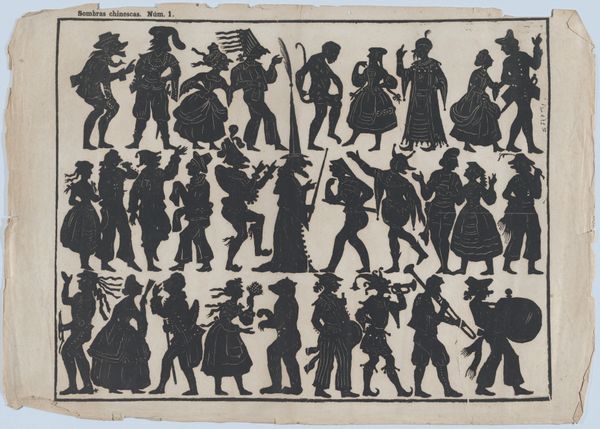
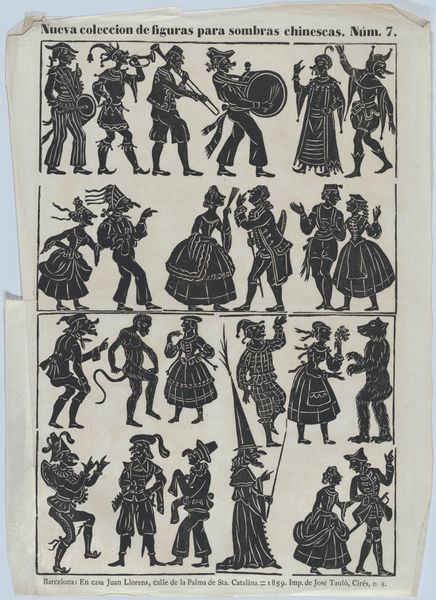
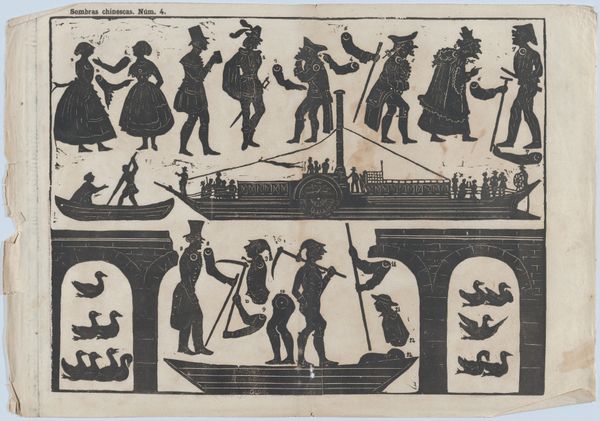
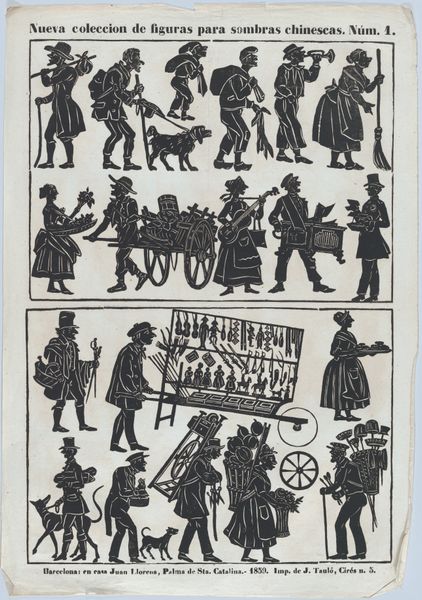
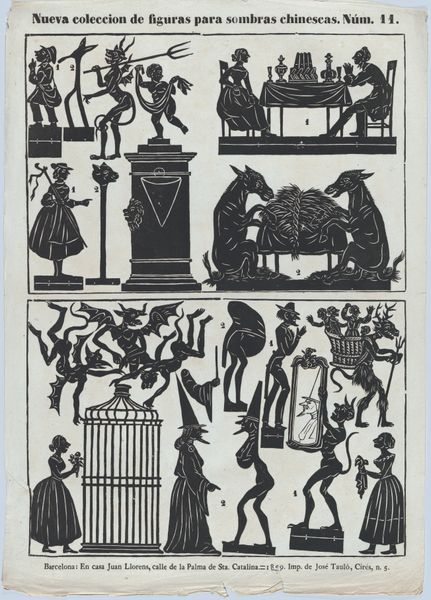
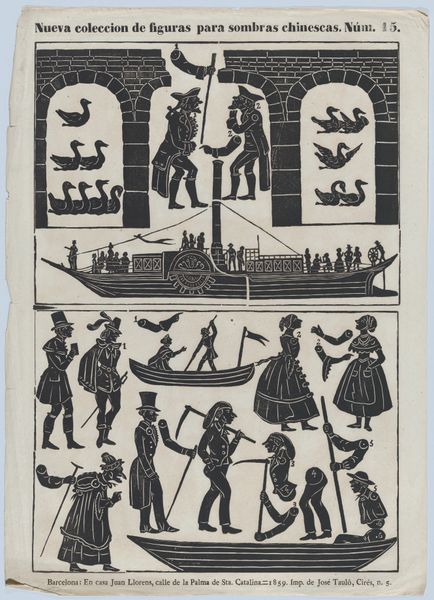
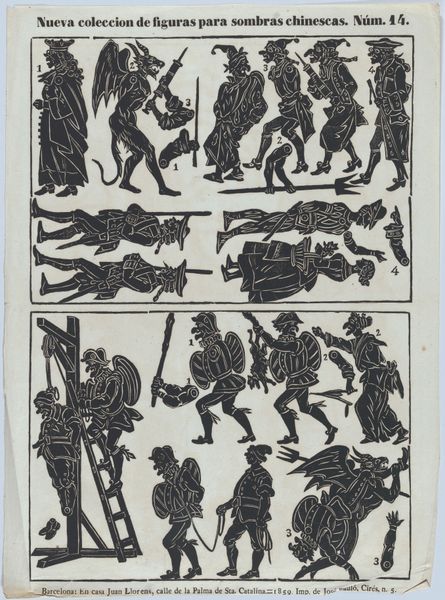
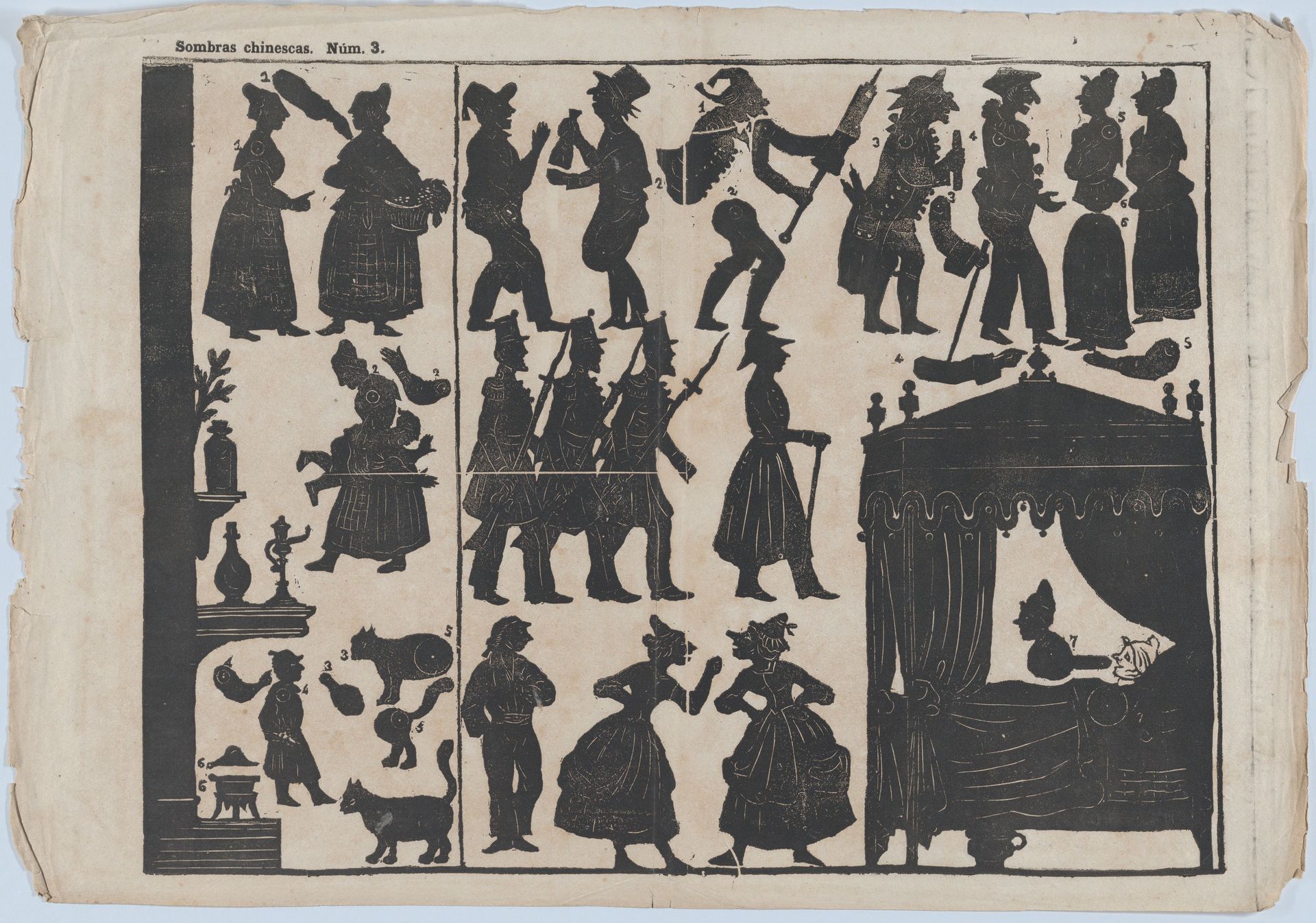
This is Sheet 3 of figures for Chinese shadow puppets made by Juan Llorens in the 1800s. It presents an intriguing case study in the circulation and reception of cultural forms. Here, we see figures intended for shadow puppetry, a popular form of entertainment with a long history in China and other parts of Asia. What does it mean when a European artist takes up this tradition? Llorens’s work reflects a broader phenomenon of European fascination with so-called “exotic” cultures. The visual codes employed speak to the stereotypes and power dynamics inherent in colonial encounters. To fully understand this work, we might delve into histories of orientalism, popular entertainment, and the development of ethnography as a field. Ultimately, this print reminds us that the meaning of art is never fixed but always contingent on its social and institutional context.
Sheet 3 of figures for Chinese shadow puppets
1845 - 1855


Artwork details
- Medium
- drawing, print, woodcut
- Dimensions
- Sheet: 12 13/16 × 18 1/8 in. (32.5 × 46 cm)
- Location
- Metropolitan Museum of Art, New York, NY
- Copyright
- Public Domain
Tags
Comments
Share your thoughts
About this artwork
This is Sheet 3 of figures for Chinese shadow puppets made by Juan Llorens in the 1800s. It presents an intriguing case study in the circulation and reception of cultural forms. Here, we see figures intended for shadow puppetry, a popular form of entertainment with a long history in China and other parts of Asia. What does it mean when a European artist takes up this tradition? Llorens’s work reflects a broader phenomenon of European fascination with so-called “exotic” cultures. The visual codes employed speak to the stereotypes and power dynamics inherent in colonial encounters. To fully understand this work, we might delve into histories of orientalism, popular entertainment, and the development of ethnography as a field. Ultimately, this print reminds us that the meaning of art is never fixed but always contingent on its social and institutional context.
Comments
Share your thoughts