About this artwork
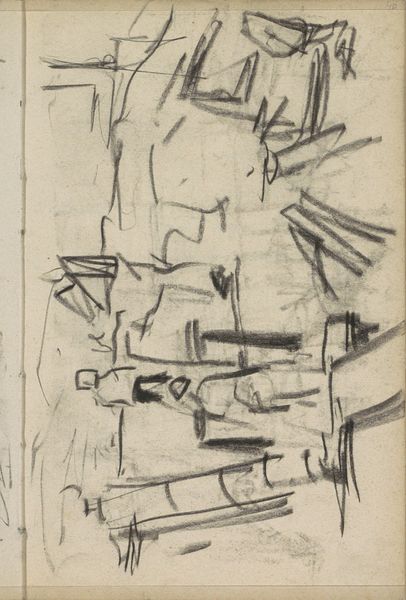
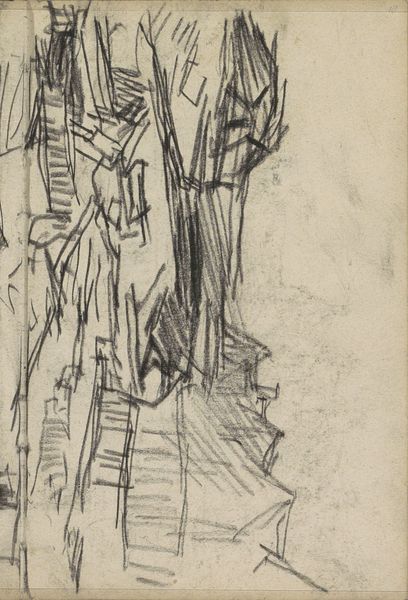
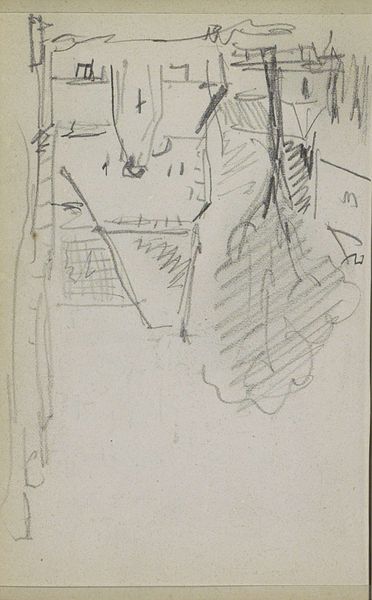
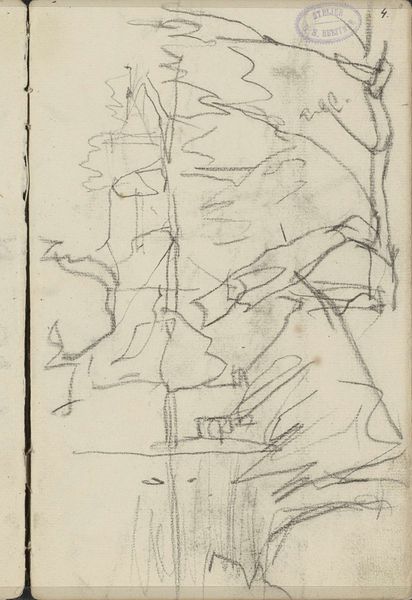
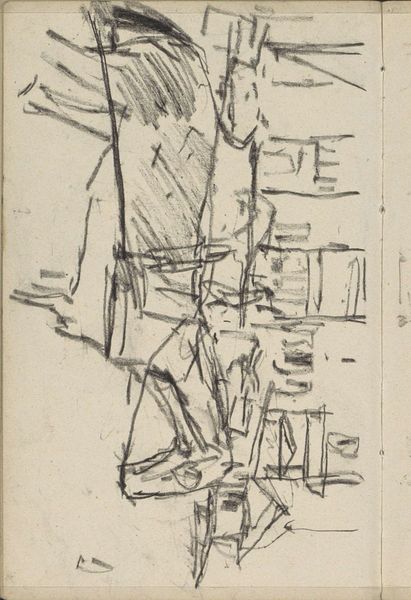
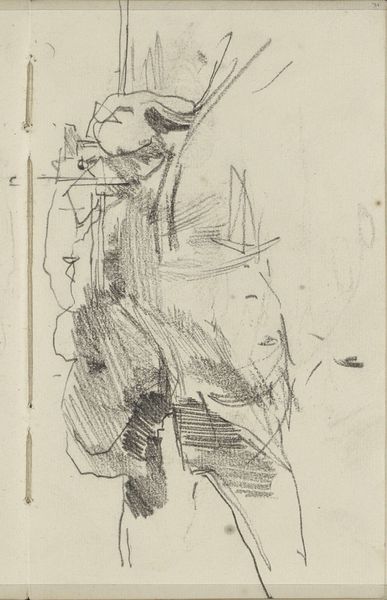
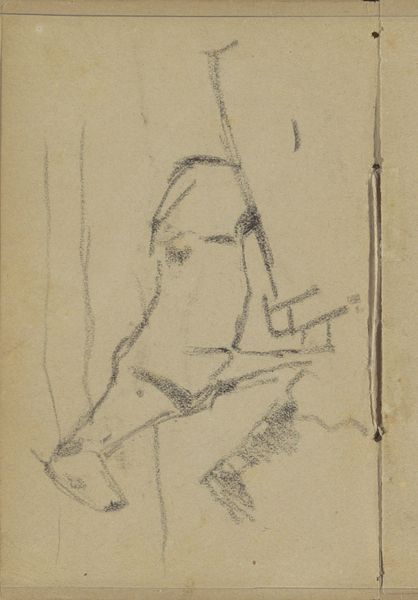
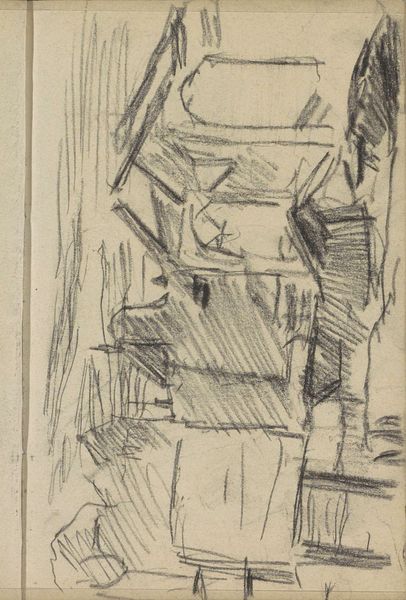
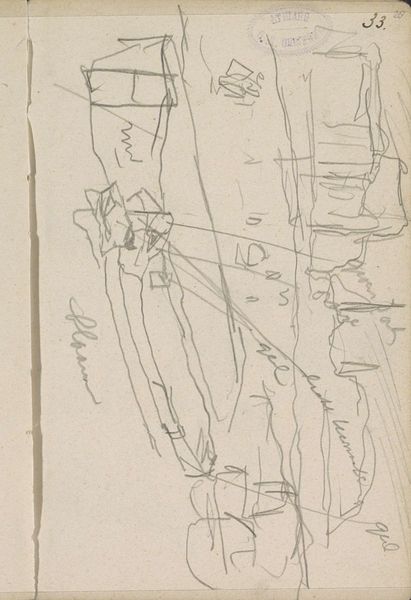
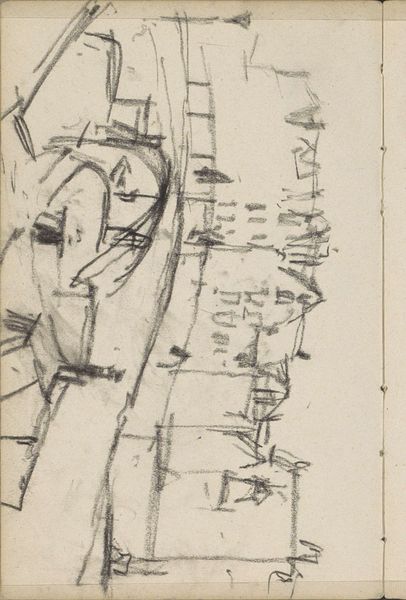
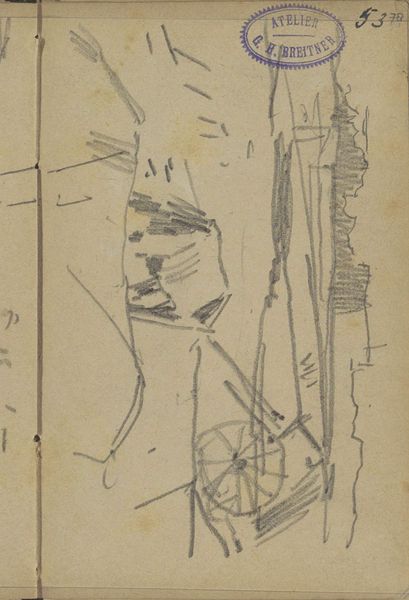
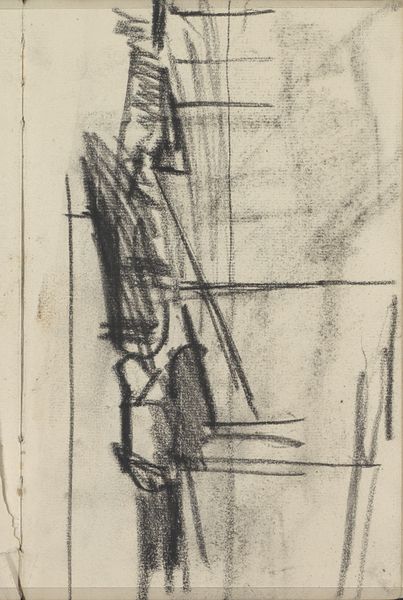
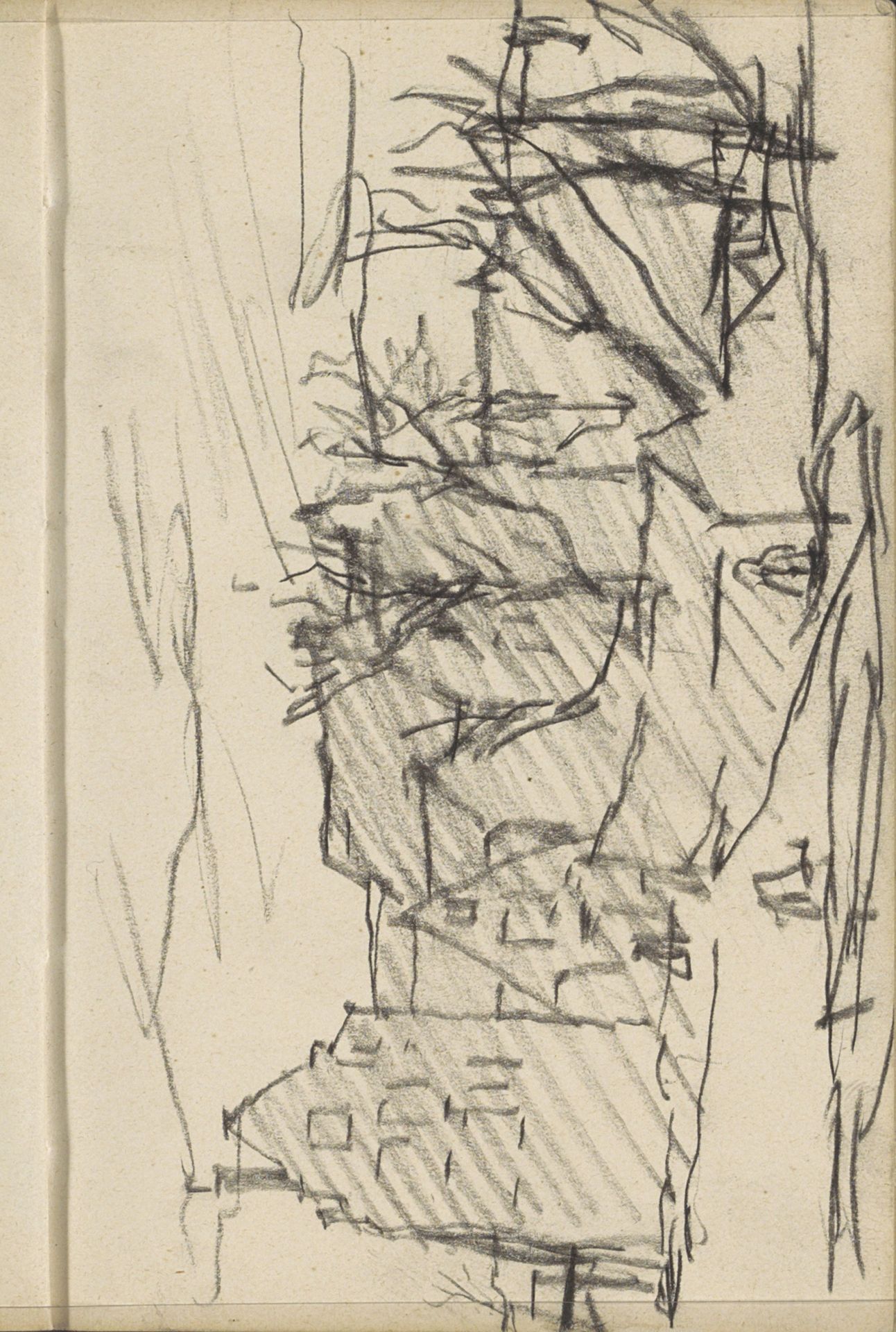
George Hendrik Breitner made this drawing of Nieuwe Teertuinen in Amsterdam, seen from Prinseneiland, in graphite on paper. There is an incredible raw energy in this sketch, like a fleeting thought captured on paper. I find myself drawn to the dense network of lines that form the building's facade. The artist has layered the marks one on top of the other creating this complex web that almost vibrates with intensity. It's like he's trying to capture not just the appearance of the building, but also the feeling of the place, the atmosphere of the city. There's a real sense of immediacy here, as if Breitner is encouraging us to see the world through his eyes, full of movement and dynamism. It reminds me a little of some of Philip Guston's later drawings, where he was trying to capture his thoughts directly onto paper, with a kind of restless energy. It's art that embraces ambiguity.
Nieuwe Teertuinen te Amsterdam, gezien vanaf Prinseneiland
1912 - 1919

George Hendrik Breitner
1857 - 1923Location
RijksmuseumArtwork details
- Location
- Rijksmuseum
- Copyright
- Rijks Museum: Open Domain
Comments
Share your thoughts
About this artwork
George Hendrik Breitner made this drawing of Nieuwe Teertuinen in Amsterdam, seen from Prinseneiland, in graphite on paper. There is an incredible raw energy in this sketch, like a fleeting thought captured on paper. I find myself drawn to the dense network of lines that form the building's facade. The artist has layered the marks one on top of the other creating this complex web that almost vibrates with intensity. It's like he's trying to capture not just the appearance of the building, but also the feeling of the place, the atmosphere of the city. There's a real sense of immediacy here, as if Breitner is encouraging us to see the world through his eyes, full of movement and dynamism. It reminds me a little of some of Philip Guston's later drawings, where he was trying to capture his thoughts directly onto paper, with a kind of restless energy. It's art that embraces ambiguity.
Comments
Share your thoughts