1880 - 1882
Figuur in een landschap

George Hendrik Breitner
1857 - 1923Location
RijksmuseumListen to curator's interpretation
Curatorial notes
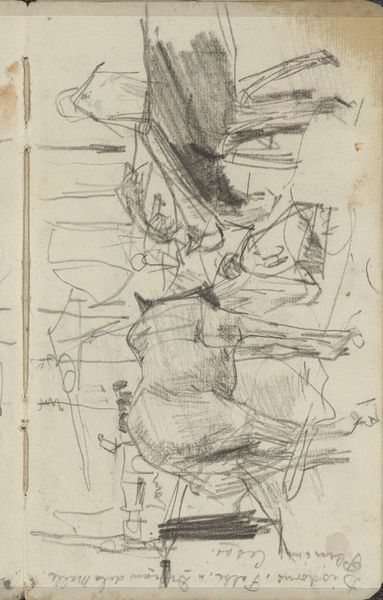
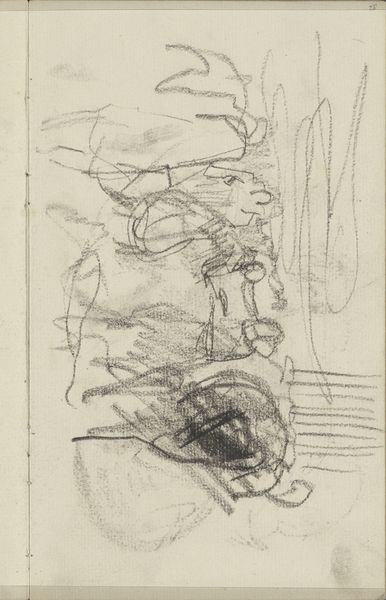
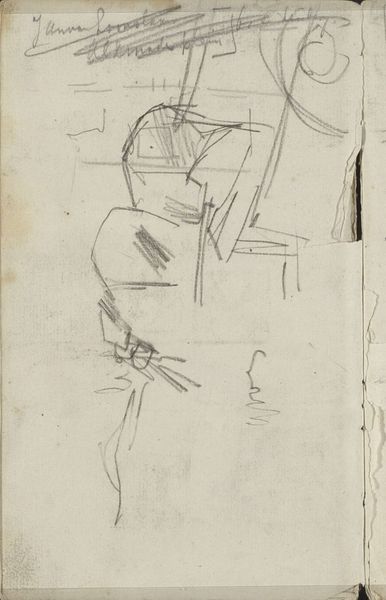
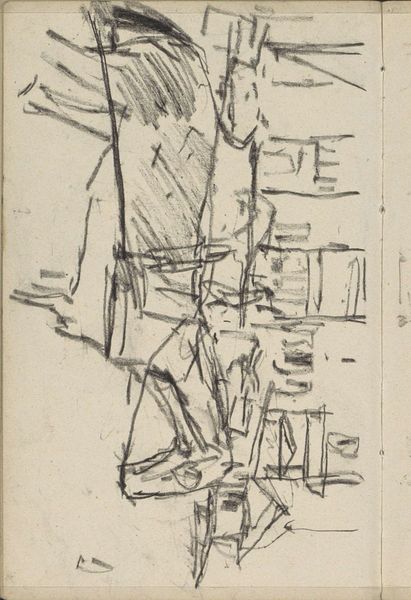
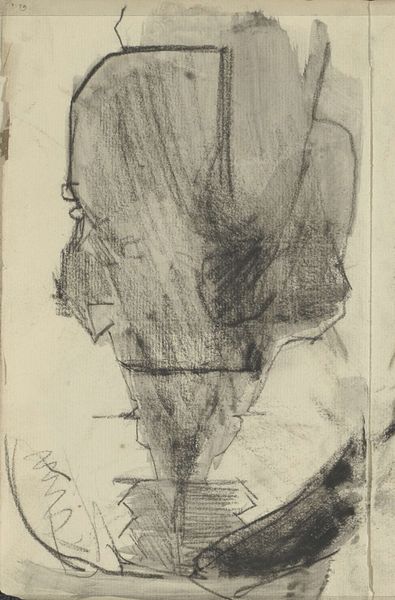
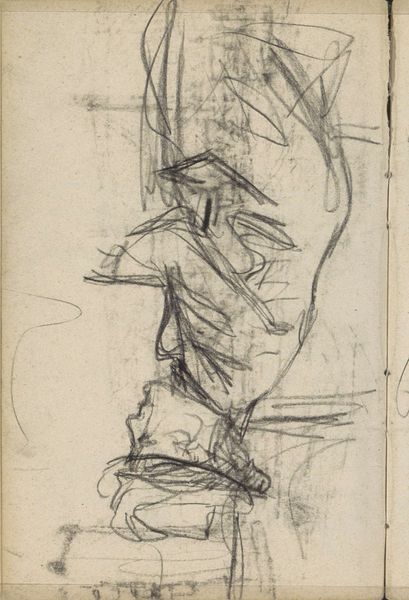
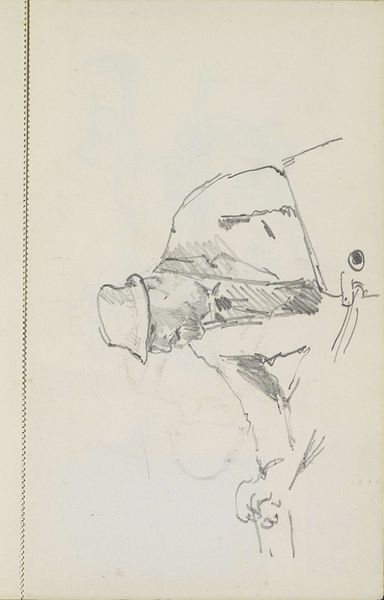
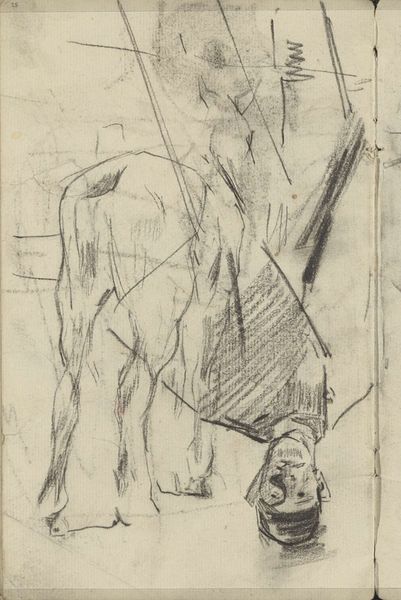
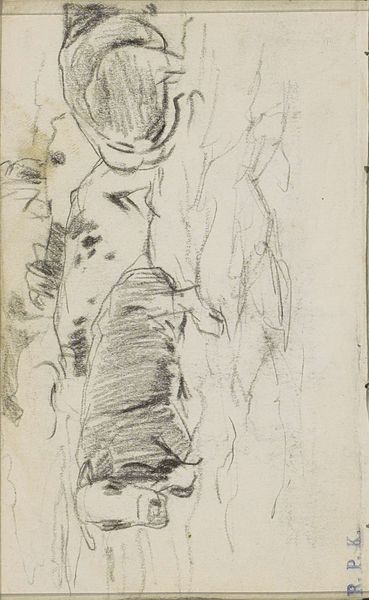
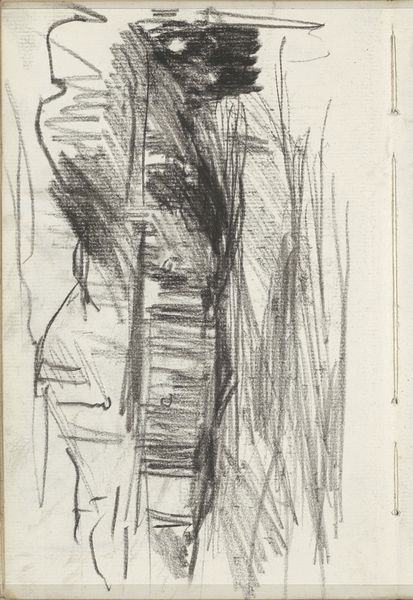
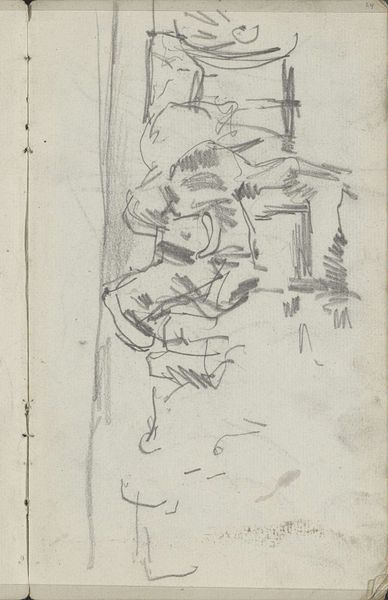
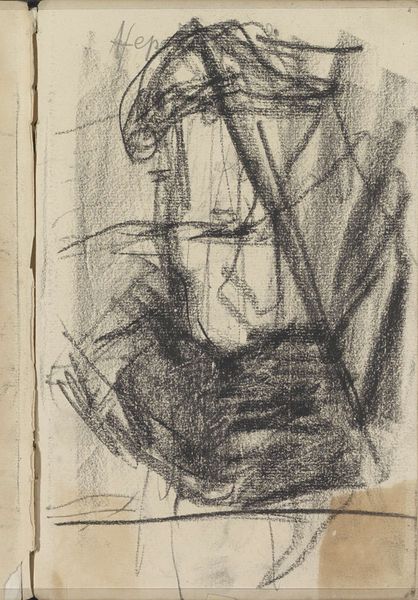
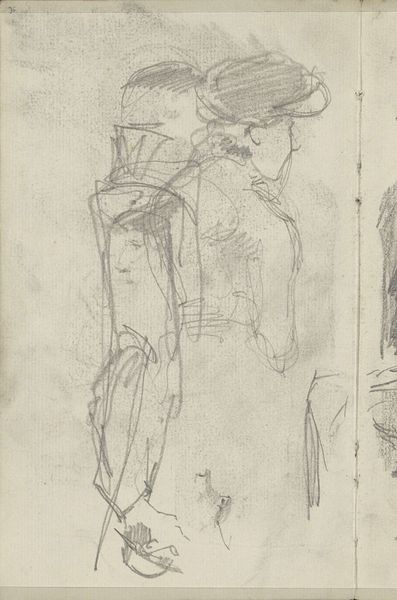
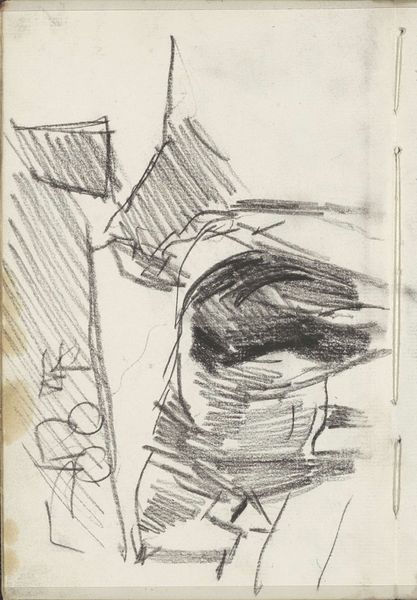
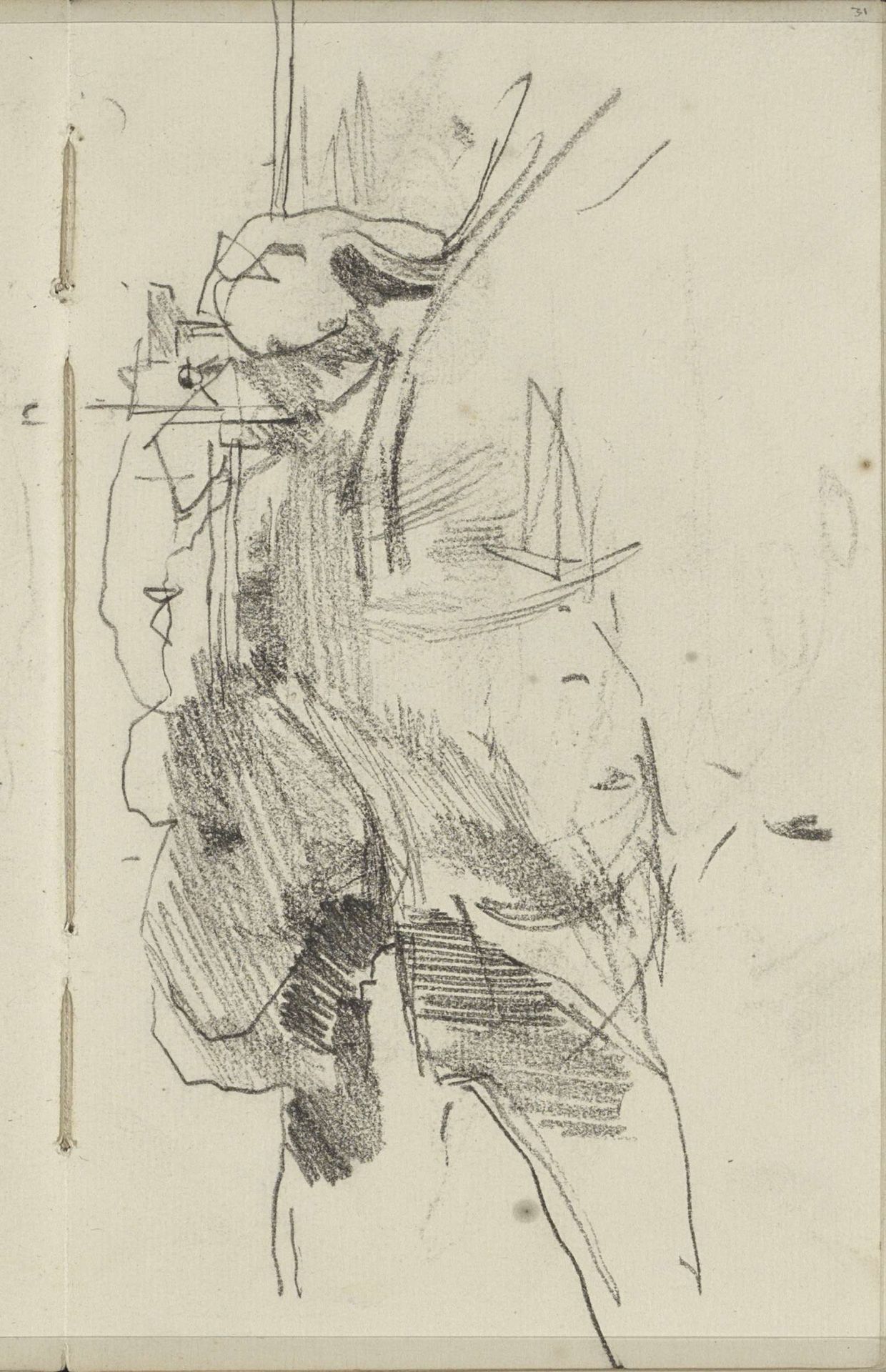
Editor: So, this is George Hendrik Breitner’s “Figuur in een landschap,” a pencil drawing from around 1880. It's almost ghostly – the figure is barely there, suggested more than defined. What do you see in this fleeting sketch? Curator: It’s interesting you call it ghostly. For me, the suggestive lines speak to a hidden narrative, like a half-remembered dream clinging to the edges of consciousness. The landscape is a stage, and the figure a player in a drama only hinted at. Do you see any particular symbols emerging, even unconsciously, from the composition? Editor: I suppose the way the lines are so unfinished suggests something incomplete, like a memory fading. There's not any single element I recognize as symbolic. I can see how the lack of definition makes it feel like a glimpse into something larger, just beyond our grasp. Curator: Precisely. Breitner’s deliberate ambiguity invites us to project our own associations onto the image. The landscape, though minimally rendered, could symbolize the internal landscape of the figure – their state of mind, perhaps, or the challenges they face. The incomplete lines might represent the fragility of human existence, its impermanence. Is there a cultural resonance you pick up in this image? Editor: Maybe something about the solitary figure – the romantic ideal of being alone in nature? But the roughness feels modern, not romantic. Curator: A tension, then, between those archetypes. Perhaps the modern individual wrestling with romantic notions of nature. Breitner offers a reflection on the self in relation to its environment – a continuous dialogue across centuries. What is the key take-away for you? Editor: That even in its simplicity, it sparks so many ideas and interpretations. It seems like even a quick sketch can hold a lot of symbolic weight. Curator: Indeed. It serves as a powerful reminder that art often thrives not in clarity, but in the rich ambiguity that allows each viewer to discover their own story within it.