About this artwork
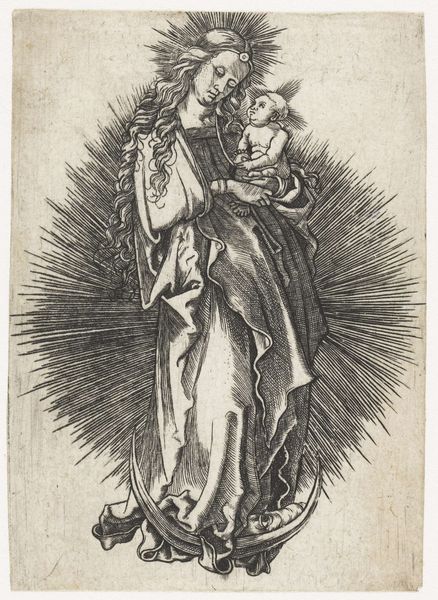
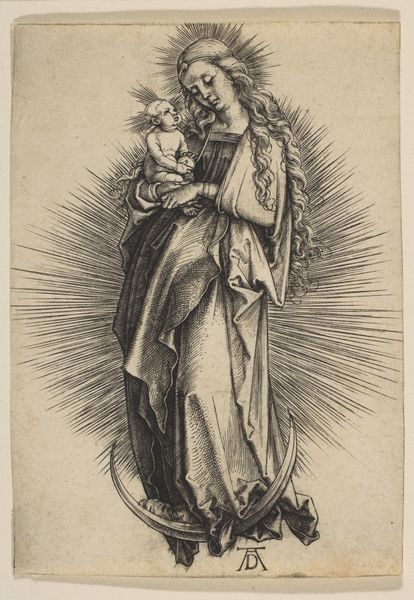
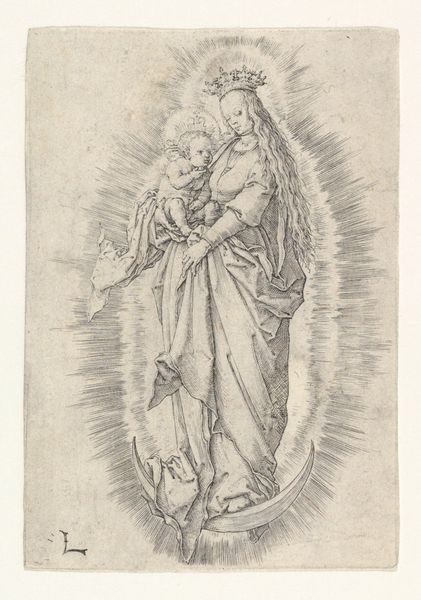
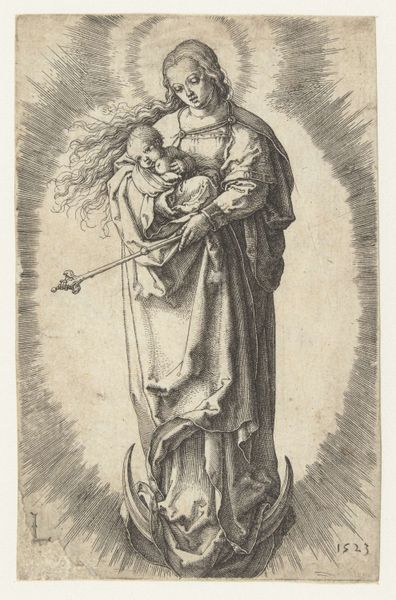
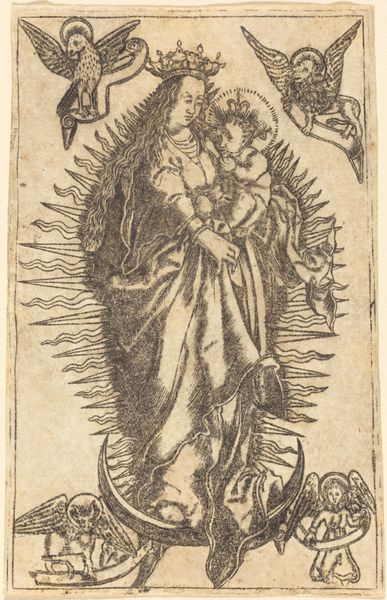
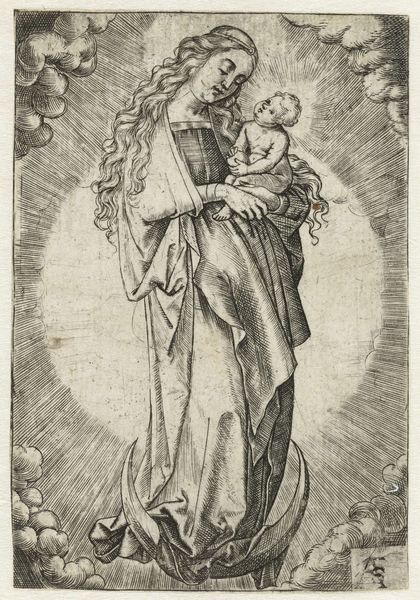
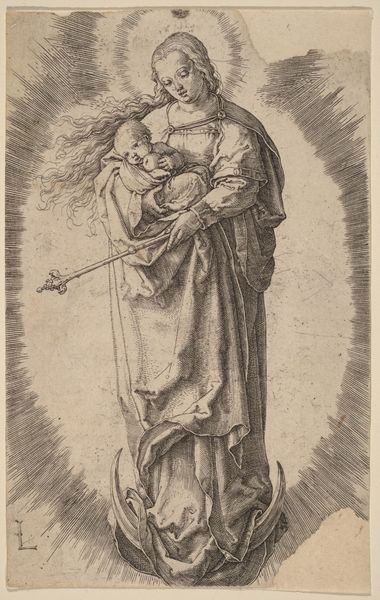
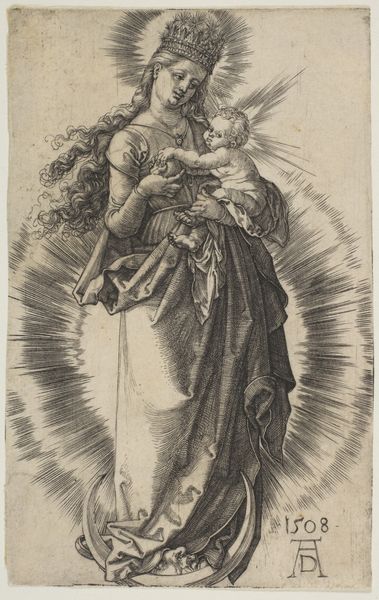
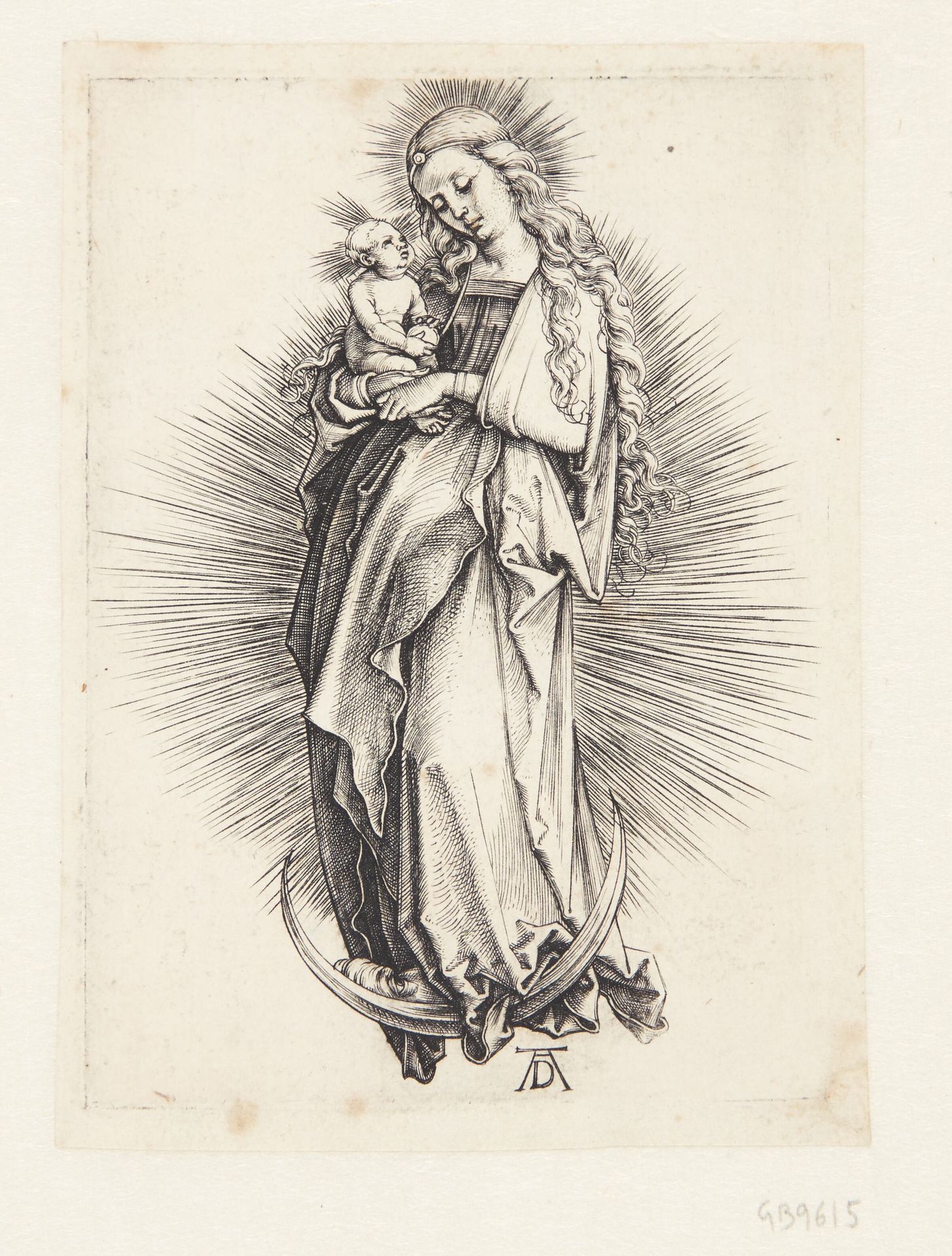
Albrecht Dürer made this engraving, called "The Virgin on the Crescent," during the late fifteenth or early sixteenth century in Germany. This image of the Virgin Mary standing on a crescent moon connects to long-standing traditions of Marian devotion. During Dürer's time, the Catholic Church was a powerful institution whose influence extended into politics, social life, and the arts. Religious images like this one were not only objects of personal devotion but also powerful tools for shaping religious belief. Dürer's skill as a printmaker allowed images like this to circulate widely, contributing to the spread of religious ideas. To understand the image more deeply, scholars might look at theological texts or popular devotional literature from the period. By understanding the cultural and institutional context in which it was made, we can better appreciate its social function and enduring appeal.
The Virgin on the crescent
1497 - 1500


Artwork details
- Medium
- print, engraving
- Dimensions
- 104 mm (height) x 85 mm (width) (bladmaal), 108 mm (height) x 77 mm (width) (plademaal)
- Location
- SMK - Statens Museum for Kunst
Tags
Comments
Share your thoughts
About this artwork
Albrecht Dürer made this engraving, called "The Virgin on the Crescent," during the late fifteenth or early sixteenth century in Germany. This image of the Virgin Mary standing on a crescent moon connects to long-standing traditions of Marian devotion. During Dürer's time, the Catholic Church was a powerful institution whose influence extended into politics, social life, and the arts. Religious images like this one were not only objects of personal devotion but also powerful tools for shaping religious belief. Dürer's skill as a printmaker allowed images like this to circulate widely, contributing to the spread of religious ideas. To understand the image more deeply, scholars might look at theological texts or popular devotional literature from the period. By understanding the cultural and institutional context in which it was made, we can better appreciate its social function and enduring appeal.
Comments
Share your thoughts