About this artwork
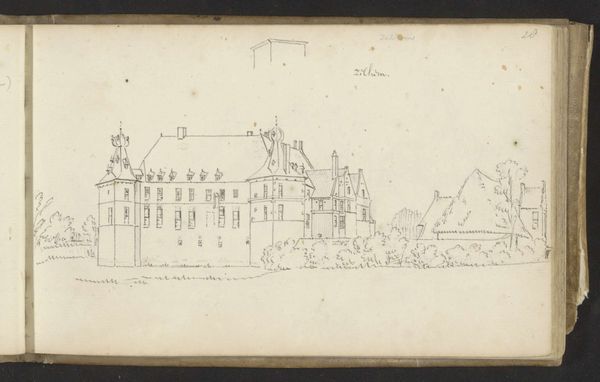
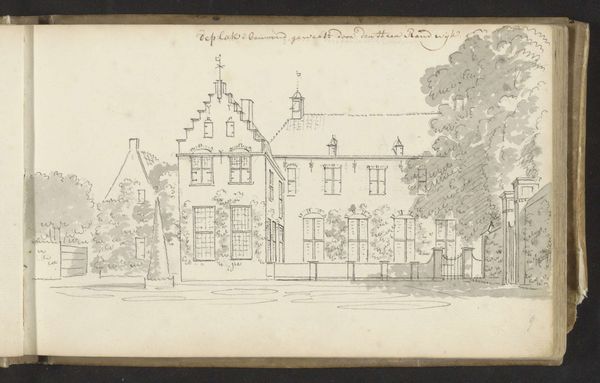
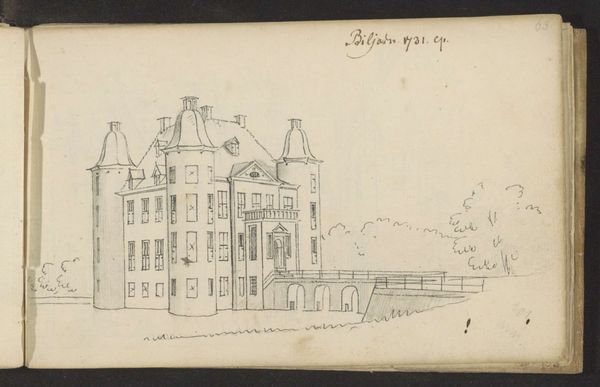
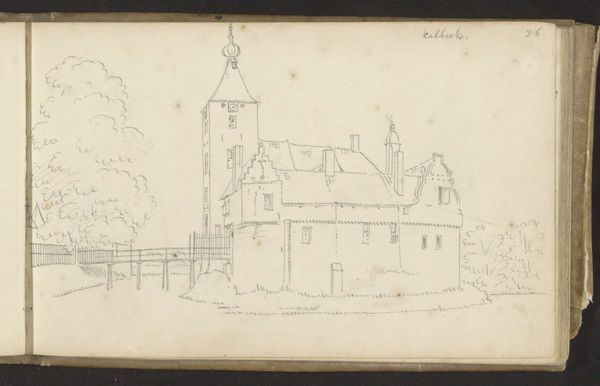
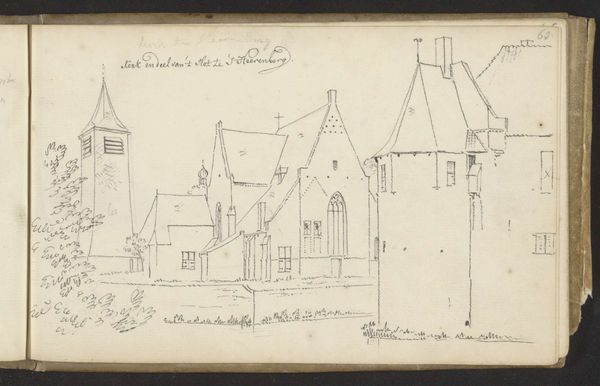
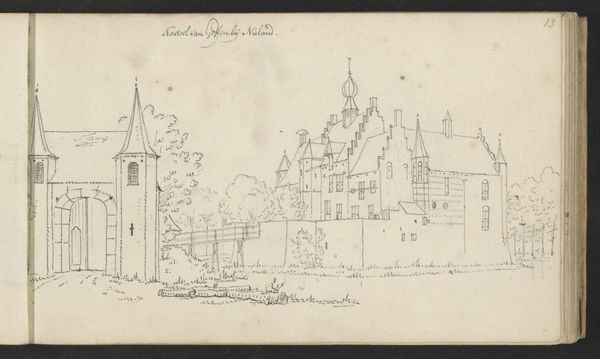
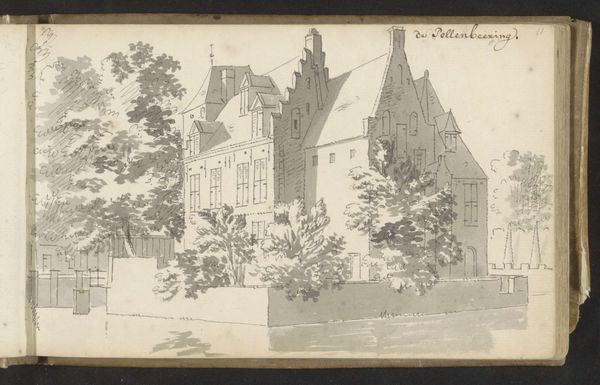
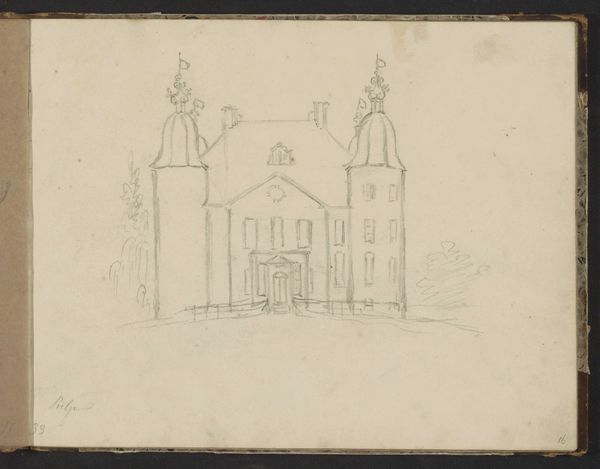
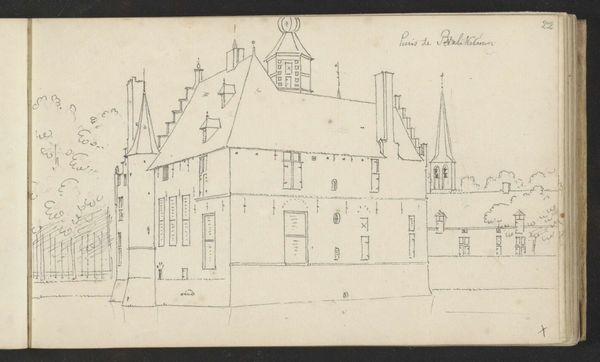
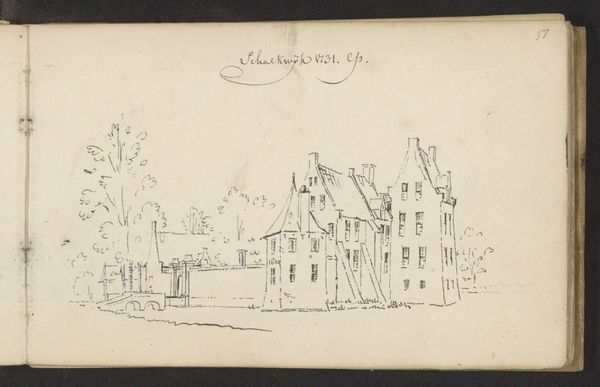
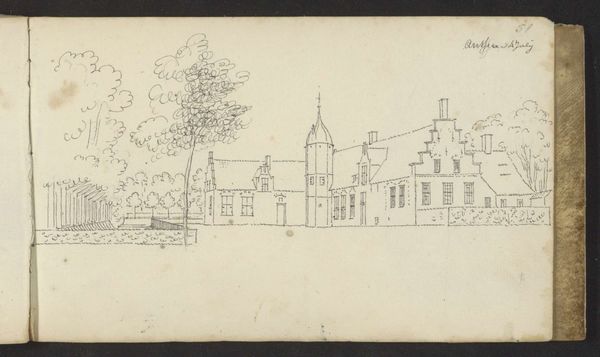
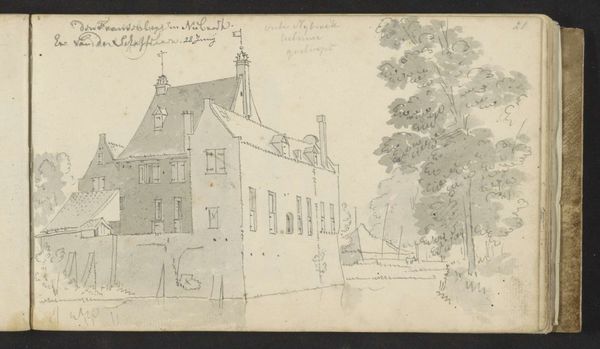
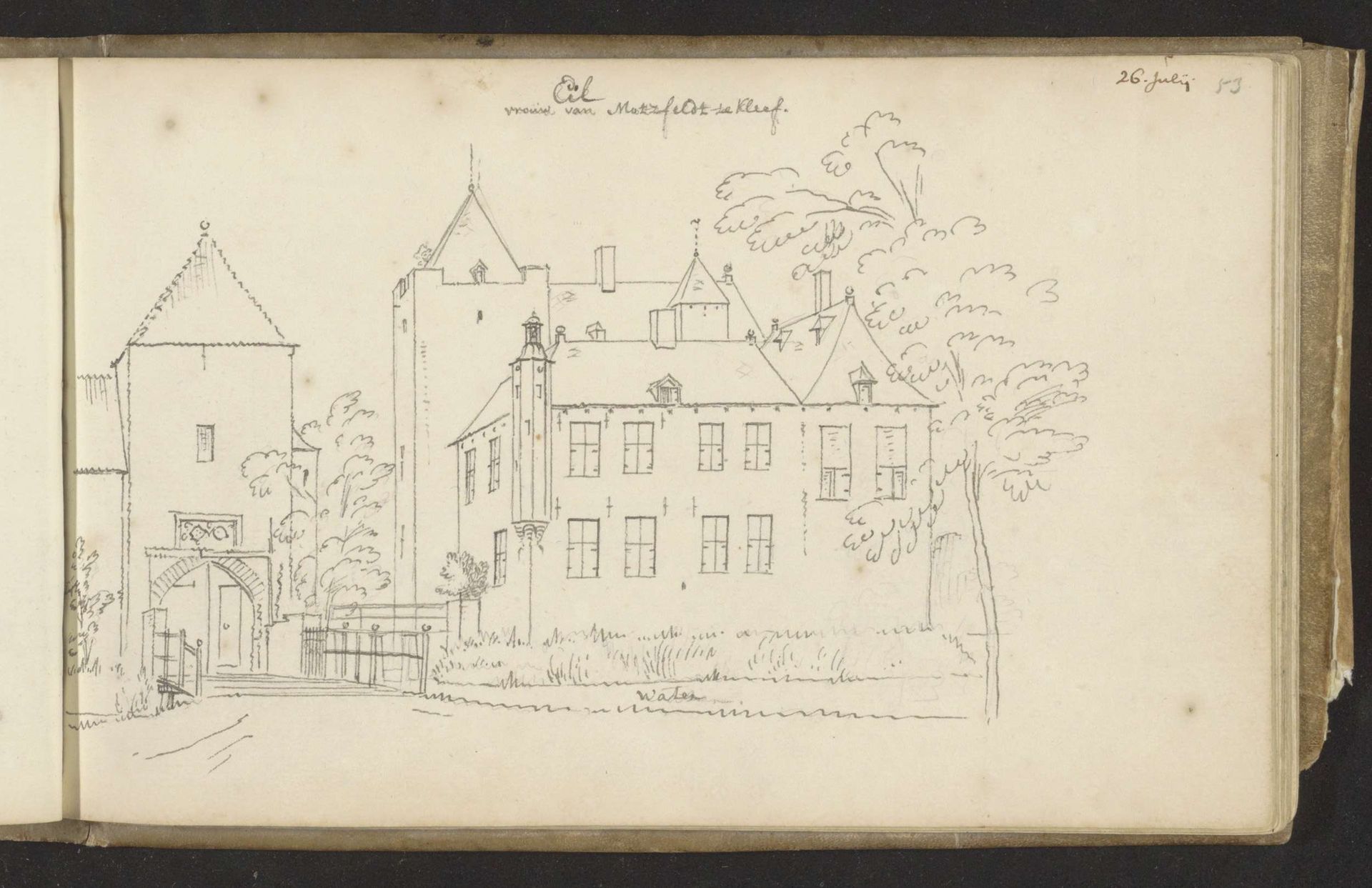
Abraham de Haen II captured this sketch of Kasteel Eyll near Kleef with pen and ink. The castle, a symbol of authority and power, stands here as more than just a building; it represents a nexus of history, culture, and human aspiration. The solid structure of the castle is a familiar motif throughout history. These fortresses remind us of the Tower of Babel. From medieval keeps to Renaissance palaces, they embody a desire for permanence and a struggle against the transient nature of existence. In this sketch, we see the castle almost as a protective figure, a silent witness to the passage of time. Consider how the image of a castle has evolved. In ancient times, fortifications were built for survival, a motif we still see today in modern-day city planning. The castle taps into our collective memory, stirring deep-seated feelings of safety, but also isolation. This psychological tension—the desire for security versus the fear of confinement—adds to the drawing's emotive power, engaging us on a subconscious level. The castle embodies the recurring, non-linear progression of historical symbols, reminding us that such motifs resurface, evolve, and take on new meanings throughout time.
Kasteel Eyll bij Kleef
Possibly 1731 - 1737

Abraham de (II) Haen
1707 - 1748Location
RijksmuseumArtwork details
- Medium
- drawing, paper, ink, pen
- Location
- Rijksmuseum
- Copyright
- Rijks Museum: Open Domain
Tags
Comments
Share your thoughts
About this artwork
Abraham de Haen II captured this sketch of Kasteel Eyll near Kleef with pen and ink. The castle, a symbol of authority and power, stands here as more than just a building; it represents a nexus of history, culture, and human aspiration. The solid structure of the castle is a familiar motif throughout history. These fortresses remind us of the Tower of Babel. From medieval keeps to Renaissance palaces, they embody a desire for permanence and a struggle against the transient nature of existence. In this sketch, we see the castle almost as a protective figure, a silent witness to the passage of time. Consider how the image of a castle has evolved. In ancient times, fortifications were built for survival, a motif we still see today in modern-day city planning. The castle taps into our collective memory, stirring deep-seated feelings of safety, but also isolation. This psychological tension—the desire for security versus the fear of confinement—adds to the drawing's emotive power, engaging us on a subconscious level. The castle embodies the recurring, non-linear progression of historical symbols, reminding us that such motifs resurface, evolve, and take on new meanings throughout time.
Comments
Share your thoughts