About this artwork
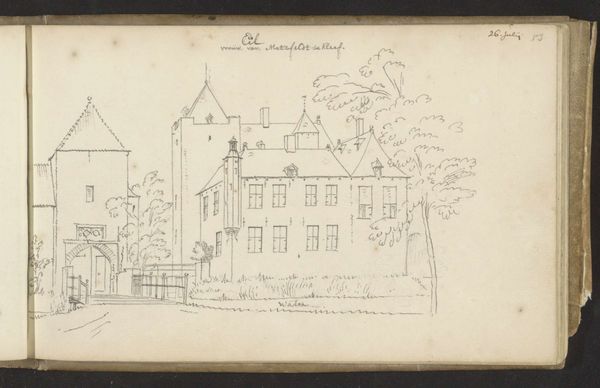
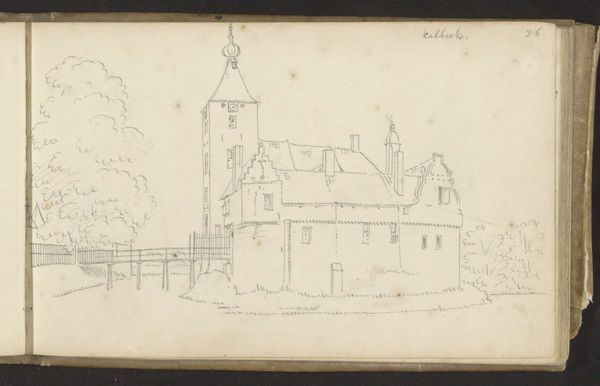
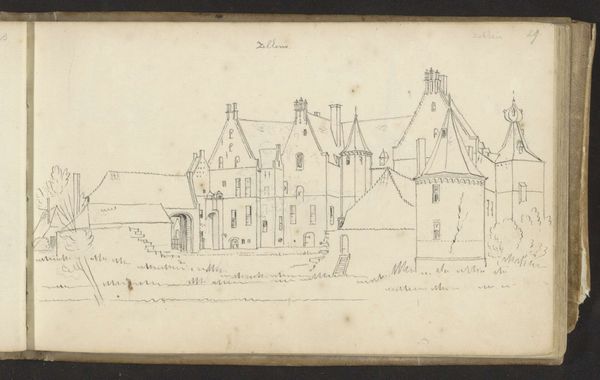
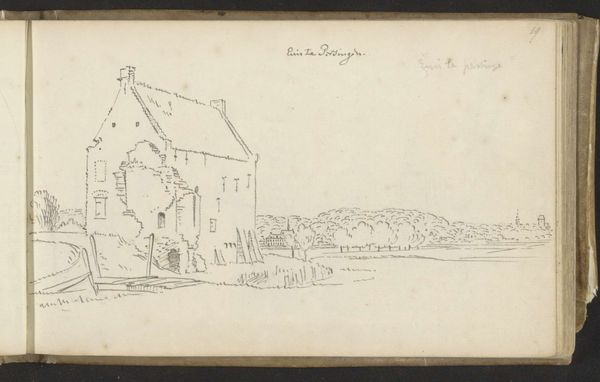
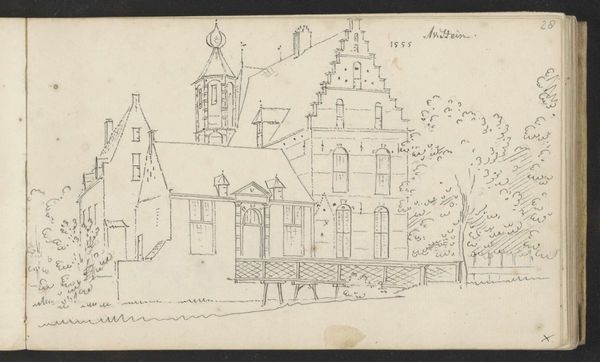
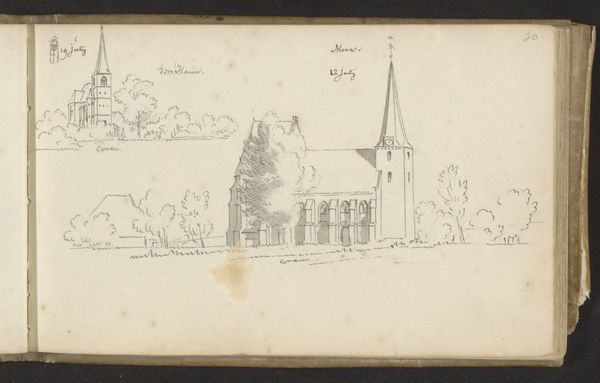
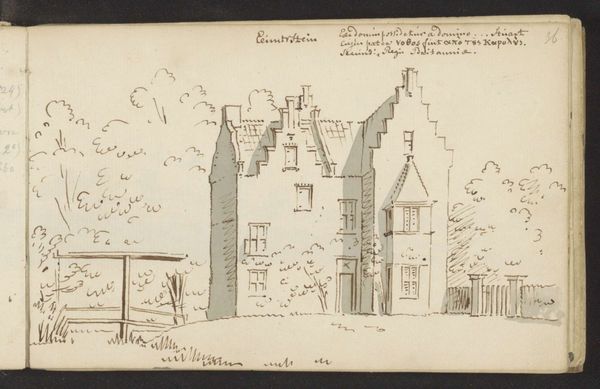
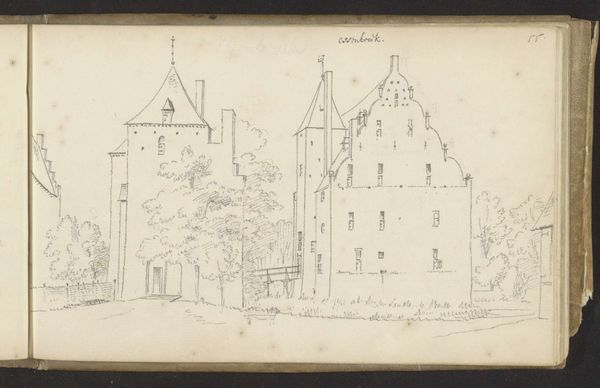
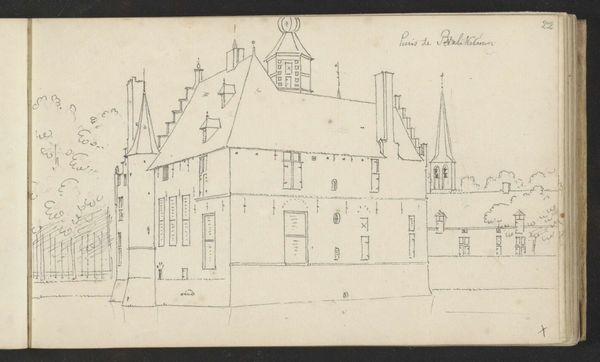
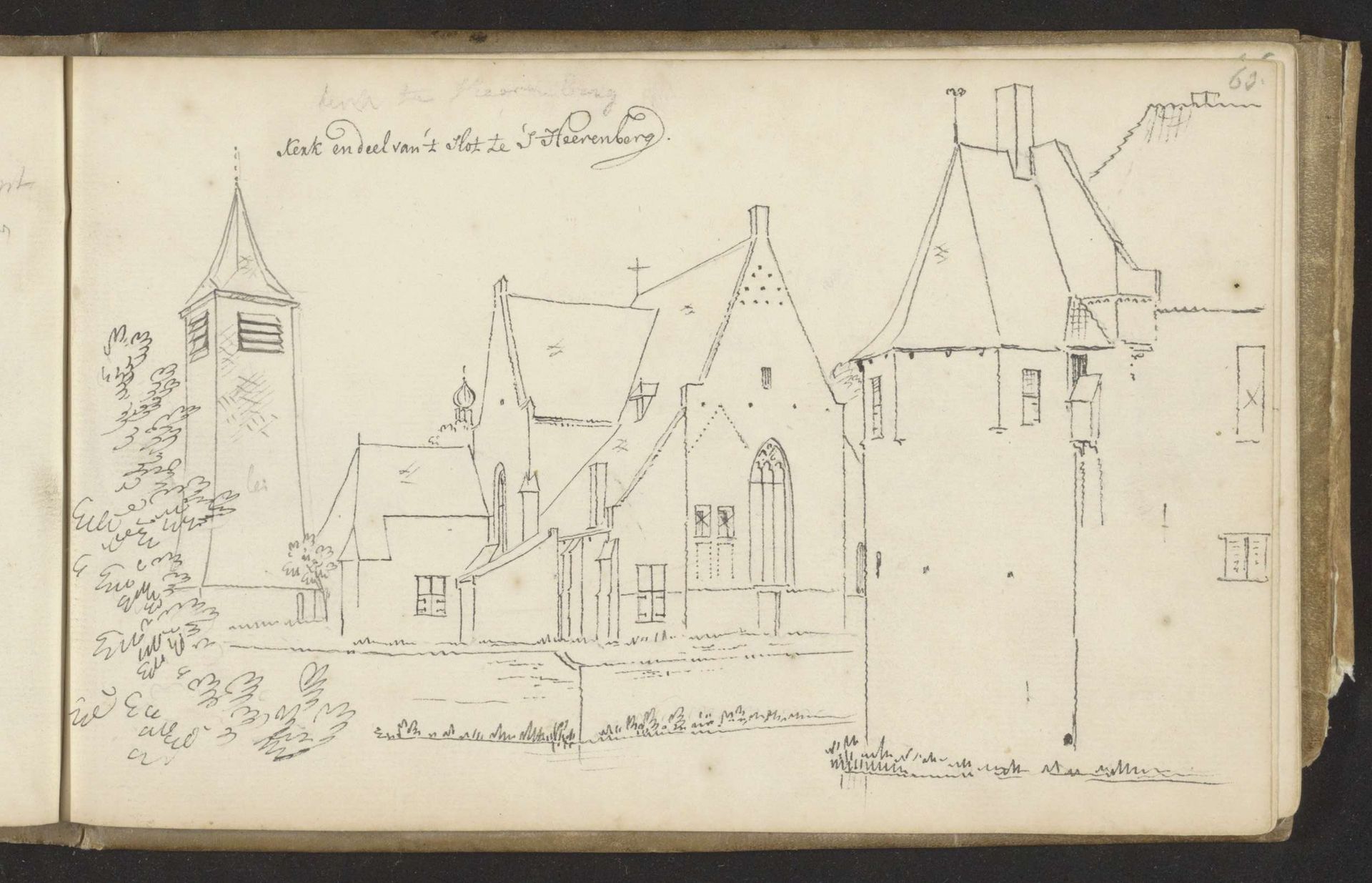
Abraham de Haen the second made this pen drawing of Huis Bergh castle and the church at 's-Heerenberg sometime in the first half of the 18th century. The scene presents a modest, even humble, vision of Dutch life and its institutions. The image creates meaning through its linear style and documentary function, common in Dutch Golden Age art. Made in the Netherlands, we might consider how Dutch geography, with its castles and church buildings, and the Protestant Reformation influenced this work. The lack of overt symbolism suggests a move away from Catholic iconography, towards a more practical sensibility, a sensibility that valued detailed observation. Art historians rely on archival material to understand not only the artist's intentions, but also the reception of such works, and what they tell us about the intersection of art, society, and institutional power. Art's meaning shifts with social and institutional context, making its interpretation a dynamic, ongoing process.
Kasteel Huis Bergh en kerk te 's-Heerenberg
1731

Abraham de (II) Haen
1707 - 1748Location
RijksmuseumArtwork details
- Location
- Rijksmuseum
- Copyright
- Rijks Museum: Open Domain
Tags
Comments
Share your thoughts
About this artwork
Abraham de Haen the second made this pen drawing of Huis Bergh castle and the church at 's-Heerenberg sometime in the first half of the 18th century. The scene presents a modest, even humble, vision of Dutch life and its institutions. The image creates meaning through its linear style and documentary function, common in Dutch Golden Age art. Made in the Netherlands, we might consider how Dutch geography, with its castles and church buildings, and the Protestant Reformation influenced this work. The lack of overt symbolism suggests a move away from Catholic iconography, towards a more practical sensibility, a sensibility that valued detailed observation. Art historians rely on archival material to understand not only the artist's intentions, but also the reception of such works, and what they tell us about the intersection of art, society, and institutional power. Art's meaning shifts with social and institutional context, making its interpretation a dynamic, ongoing process.
Comments
Share your thoughts