About this artwork
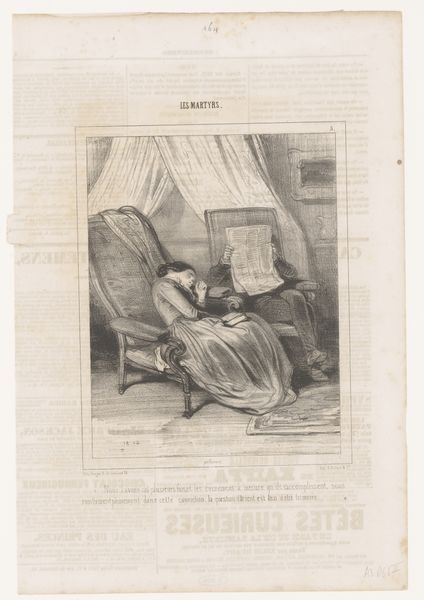
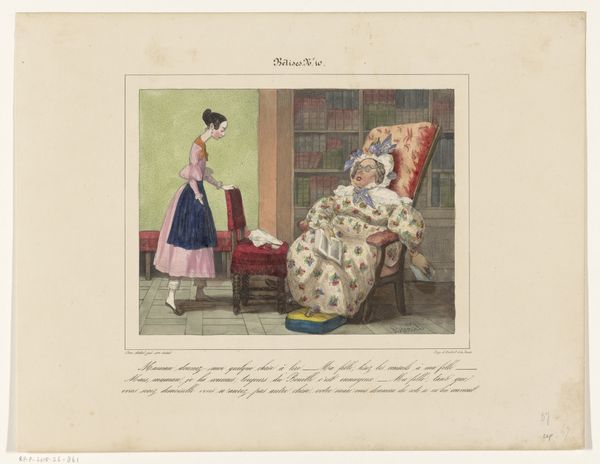
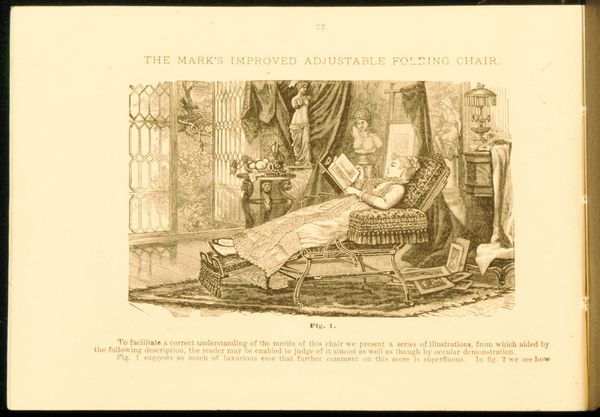
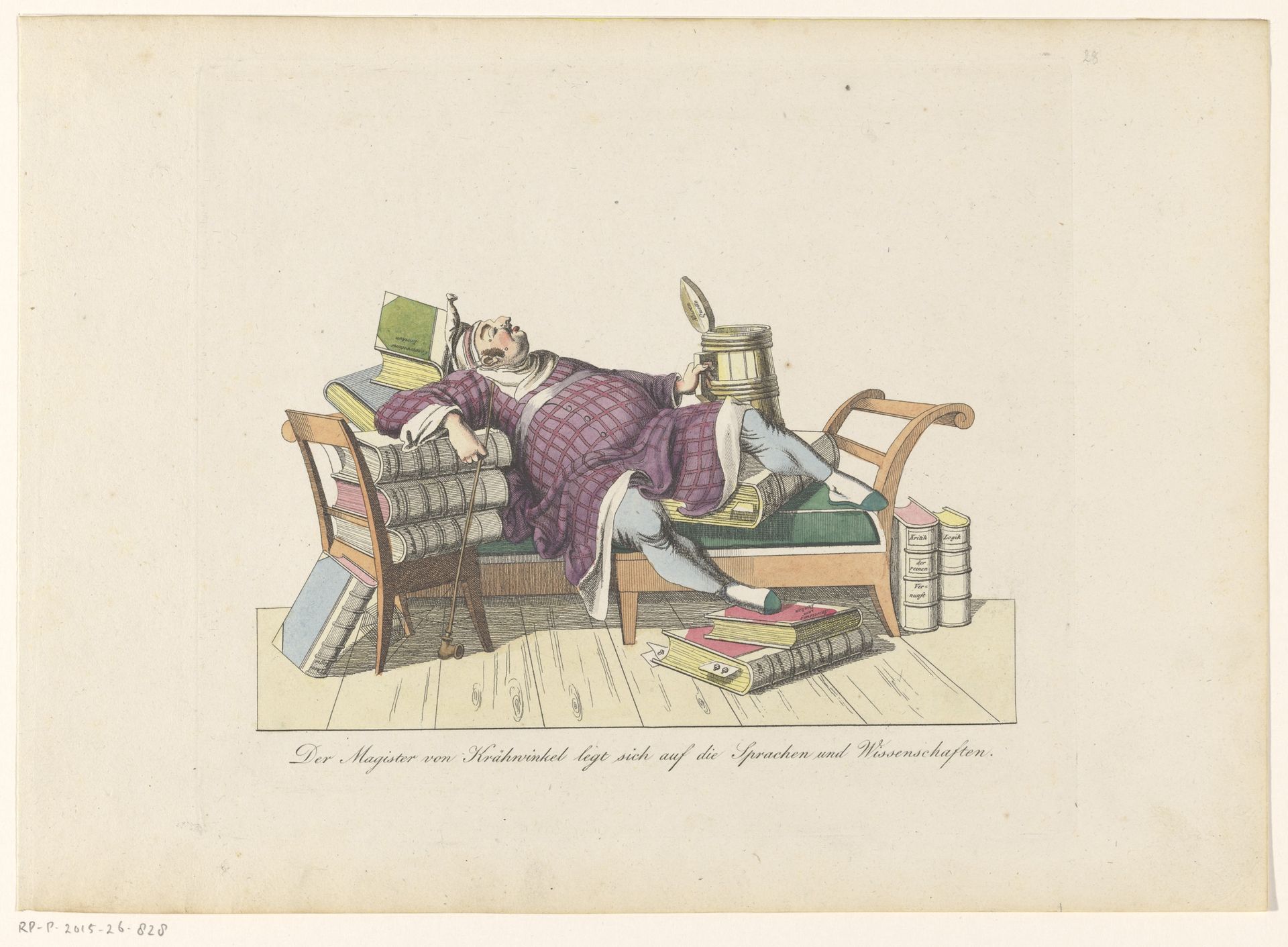
Johann Nussbiegel created this print, "Teacher of Krähwinkel Lying on a Sofa with Books," in the late 18th or early 19th century. It provides a window into the social dynamics of the time. Krähwinkel, a fictional town, was used as a satirical stand-in for narrow-minded, provincial life in Germany. Nussbiegel’s teacher is literally overwhelmed by the trappings of knowledge, collapsed upon his books. Clad in a dressing gown, he’s lost in a boozy stupor. The print wryly comments on the state of education and intellectual life. The image uses humor to critique a society where outward displays of learning might overshadow genuine understanding. The artist invites us to consider the relationship between appearance and reality, and challenges us to reflect on the values we place on education and intellectual pursuits. The teacher may be in a state of relaxation but also of intellectual stagnation. How can we remain open to transformation through learning, not just be weighed down by the books around us?
Leraar van Krähwinkel liggend op een sofa met boeken
1803 - 1829

Johann Nussbiegel
1750 - 1833Location
RijksmuseumArtwork details
- Medium
- drawing, print
- Dimensions
- height 205 mm, width 233 mm
- Location
- Rijksmuseum
- Copyright
- Rijks Museum: Open Domain
Tags
Comments
Share your thoughts
About this artwork
Johann Nussbiegel created this print, "Teacher of Krähwinkel Lying on a Sofa with Books," in the late 18th or early 19th century. It provides a window into the social dynamics of the time. Krähwinkel, a fictional town, was used as a satirical stand-in for narrow-minded, provincial life in Germany. Nussbiegel’s teacher is literally overwhelmed by the trappings of knowledge, collapsed upon his books. Clad in a dressing gown, he’s lost in a boozy stupor. The print wryly comments on the state of education and intellectual life. The image uses humor to critique a society where outward displays of learning might overshadow genuine understanding. The artist invites us to consider the relationship between appearance and reality, and challenges us to reflect on the values we place on education and intellectual pursuits. The teacher may be in a state of relaxation but also of intellectual stagnation. How can we remain open to transformation through learning, not just be weighed down by the books around us?
Comments
Share your thoughts