About this artwork
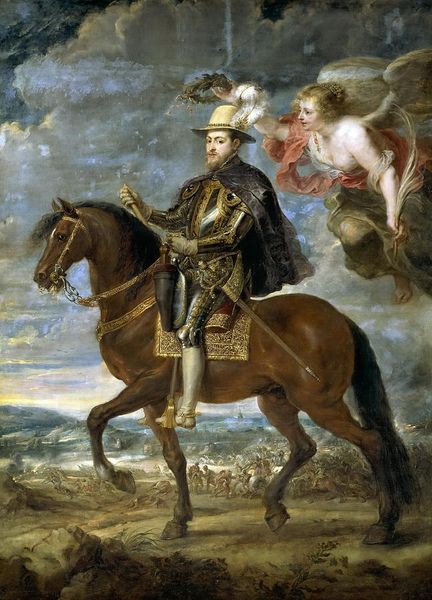
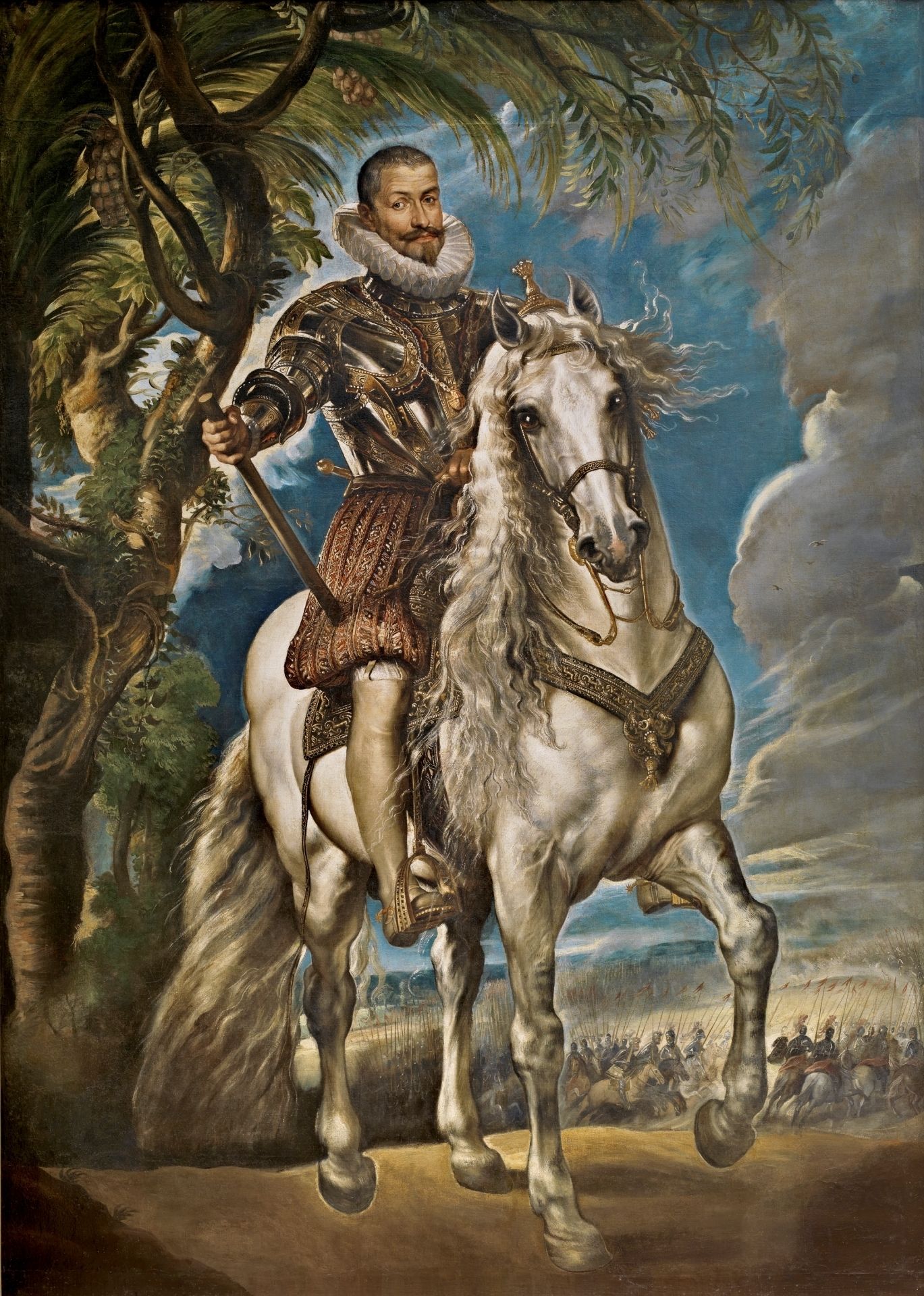
Peter Paul Rubens painted this grand portrait of the Duke of Lerma, sometime in the early 17th century. The painting reflects a period in Europe defined by both immense wealth and entrenched social hierarchies. Here, Rubens captures the Duke as the embodiment of power. On horseback and in armor, the Duke's clothing and accoutrements signify his status and wealth. Yet, we might also consider how this image perpetuates a narrative of aristocratic dominance, especially given the colonial exploits of Spain at the time. Rubens himself navigated these hierarchies, gaining access to elite circles through his artistic talent. It is an emotional and political balancing act in which the artist is both a craftsman and a subtle commentator. Ultimately, Rubens' "Equestrian Portrait" invites us to reflect on how power is represented, and how art plays a role in shaping our perceptions of it.
Equestrian Portrait of the Duke of Lerma
1603

Peter Paul Rubens
1577 - 1640Location
Museo del Prado, Madrid, SpainArtwork details
- Medium
- painting, oil-paint
- Dimensions
- 283 x 200 cm
- Location
- Museo del Prado, Madrid, Spain
- Copyright
- Public domain
Tags
Comments
Share your thoughts
About this artwork
Peter Paul Rubens painted this grand portrait of the Duke of Lerma, sometime in the early 17th century. The painting reflects a period in Europe defined by both immense wealth and entrenched social hierarchies. Here, Rubens captures the Duke as the embodiment of power. On horseback and in armor, the Duke's clothing and accoutrements signify his status and wealth. Yet, we might also consider how this image perpetuates a narrative of aristocratic dominance, especially given the colonial exploits of Spain at the time. Rubens himself navigated these hierarchies, gaining access to elite circles through his artistic talent. It is an emotional and political balancing act in which the artist is both a craftsman and a subtle commentator. Ultimately, Rubens' "Equestrian Portrait" invites us to reflect on how power is represented, and how art plays a role in shaping our perceptions of it.
Comments
Share your thoughts