About this artwork
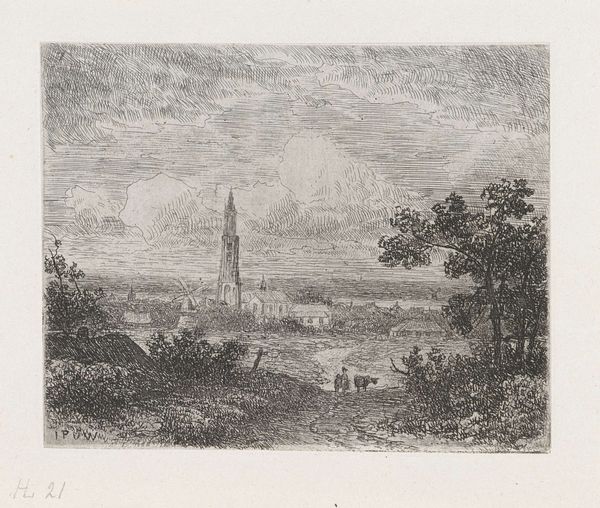
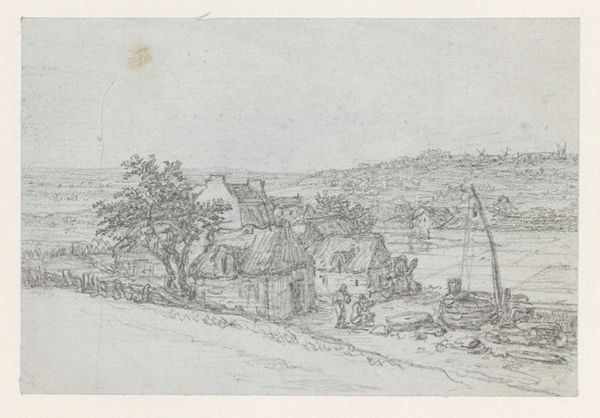
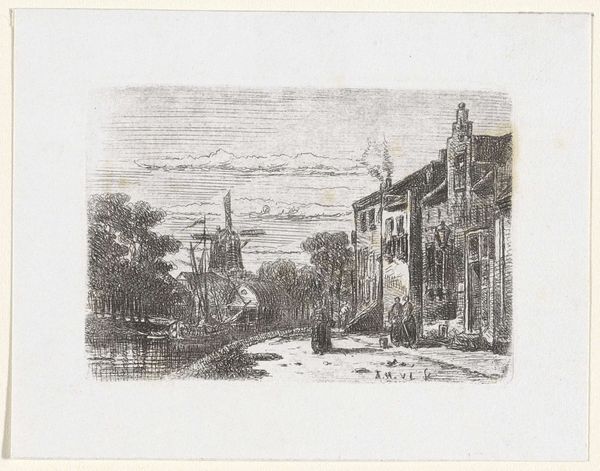
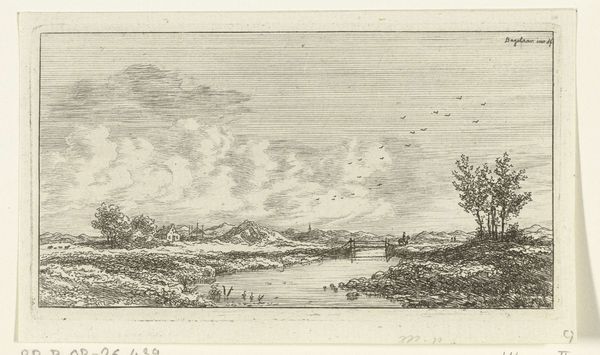
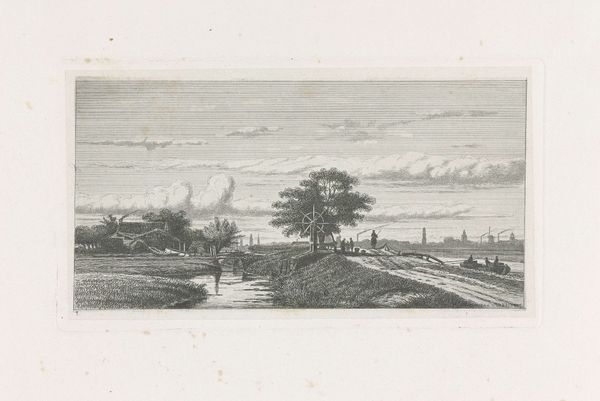
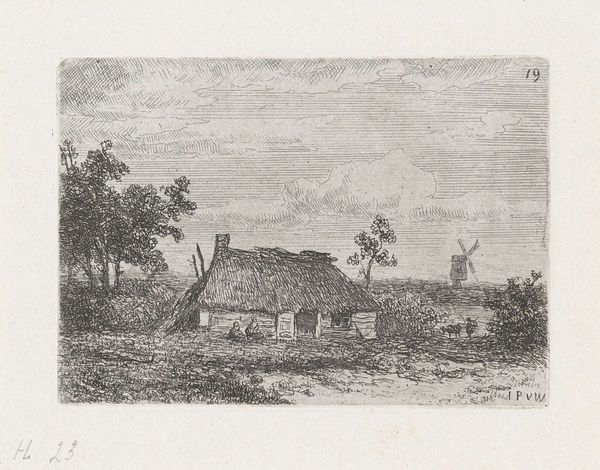
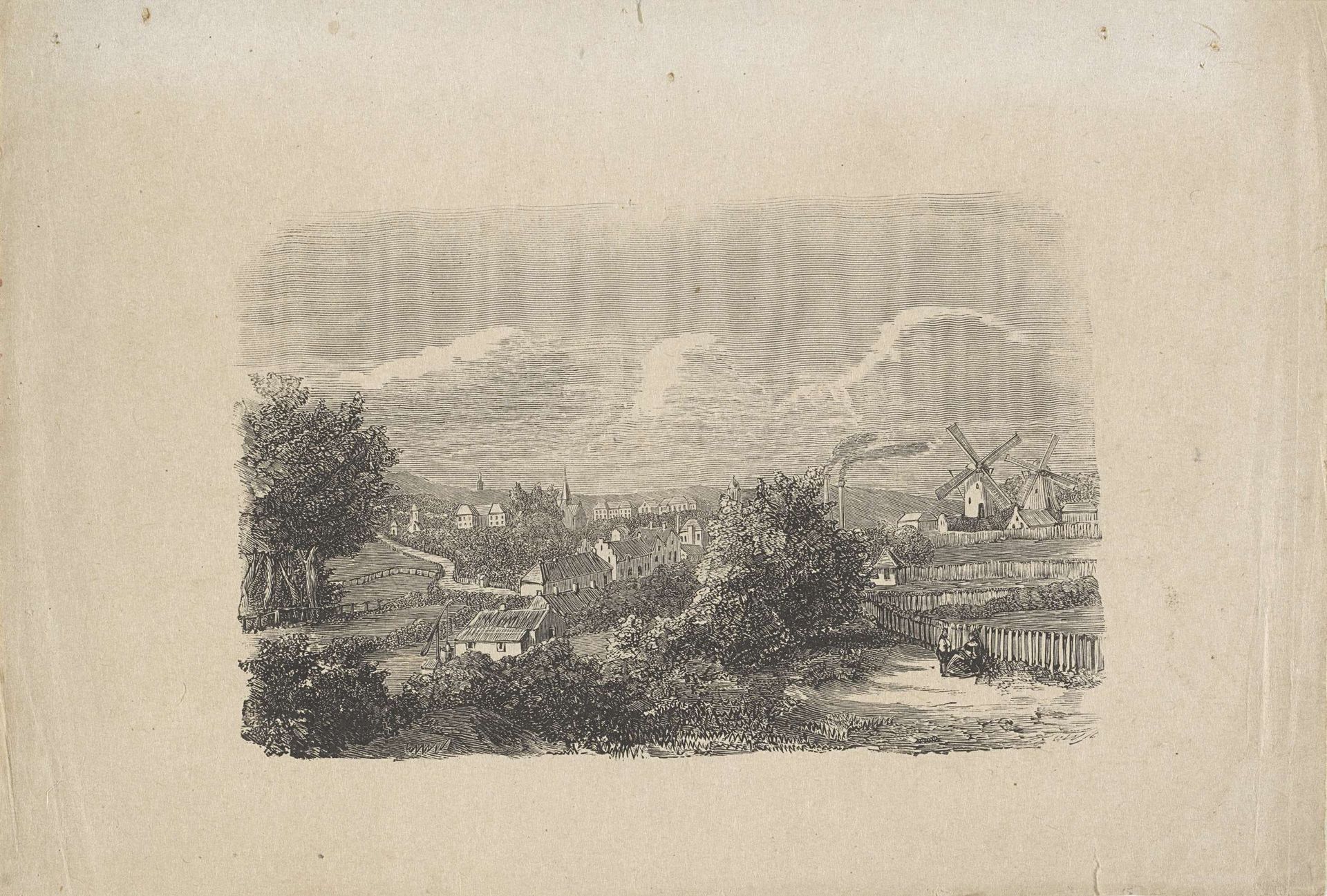
Isaac Weissenbruch made this etching called "Landscape with a Village and Two Windmills" in the Netherlands at an unknown date. It depicts a rural scene, windmills, and a village, but there's also a smokestack, suggesting it's a moment of transition. The etching’s meaning emerges from the cultural context of the Netherlands at the time. Windmills traditionally symbolize Dutch ingenuity in land reclamation and agriculture, key to the nation’s identity and economy. However, the presence of the smokestack suggests the rise of industrialization, which was transforming Dutch society in the 19th century. The stark contrast between the windmills and the smokestack raises questions about progress, tradition, and the changing landscape of the Netherlands during this period. Historical research into 19th-century Dutch industrialization, combined with an understanding of Dutch art history and symbolism, can provide a more complete understanding of this landscape. Art becomes a document that reflects a society grappling with change and modernization.
Landschap met een dorp en twee molens
1836 - 1912

Isaac Weissenbruch
1826 - 1912Location
RijksmuseumArtwork details
- Medium
- print, etching, engraving
- Dimensions
- height 155 mm, width 229 mm
- Location
- Rijksmuseum
- Copyright
- Rijks Museum: Open Domain
Tags
Comments
Share your thoughts
About this artwork
Isaac Weissenbruch made this etching called "Landscape with a Village and Two Windmills" in the Netherlands at an unknown date. It depicts a rural scene, windmills, and a village, but there's also a smokestack, suggesting it's a moment of transition. The etching’s meaning emerges from the cultural context of the Netherlands at the time. Windmills traditionally symbolize Dutch ingenuity in land reclamation and agriculture, key to the nation’s identity and economy. However, the presence of the smokestack suggests the rise of industrialization, which was transforming Dutch society in the 19th century. The stark contrast between the windmills and the smokestack raises questions about progress, tradition, and the changing landscape of the Netherlands during this period. Historical research into 19th-century Dutch industrialization, combined with an understanding of Dutch art history and symbolism, can provide a more complete understanding of this landscape. Art becomes a document that reflects a society grappling with change and modernization.
Comments
Share your thoughts